


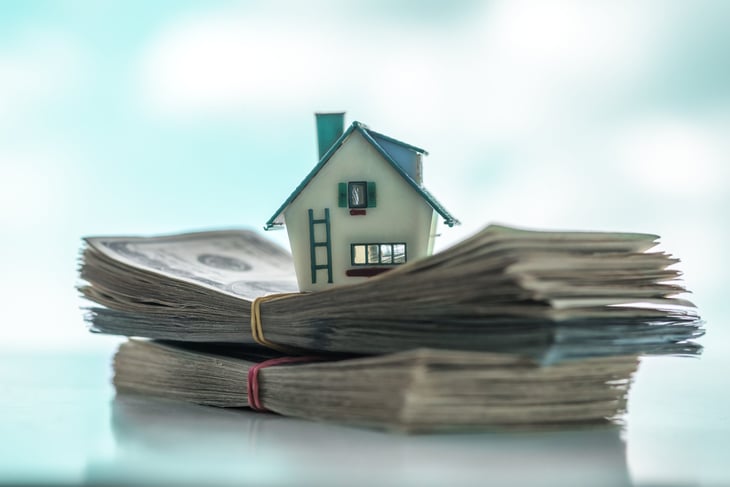
We all remember what happened in 2008 — home values crashed, millions lost their homes, and the economy spiraled. One of the biggest culprits? Reckless and deceptive mortgage practices that preyed on uninformed buyers.
You’d think we’d have learned our lesson. But some of those same shady strategies are quietly returning in today’s housing market.
If you plan to buy, refinance, or rent, now’s the time to learn the warning signs. These five reemerging mortgage tricks could cost you your savings — or your home.
Pro Tip: Tapping into your home’s value shouldn’t mean risking your finances. Americans have $30 trillion in untapped equity — Hometap lets you access up to $600K without monthly payments or new debt.
1. The return of risky interest-only loans

Back in the pre-crash housing boom, interest-only mortgages let people buy homes they couldn’t truly afford. These loans kept payments low at first — but once the interest-only period ended, payments spiked.
Today, these loans are creeping back into the market, especially in high-cost areas. They might seem appealing when monthly budgets are tight — but if your income doesn’t grow or rates climb, the math quickly stops working in your favor.
Pro Tip: Stretching your budget or need cash, debt relief, or help funding a major expense? Explore financial solutions here to find the best options tailored to your needs — fast, easy, and secure.
2. Unverified income loans (a.k.a. “liar loans”)

Lenders once approved mortgages with little to no income verification — earning them the nickname “liar loans.” Unsurprisingly, many of these loans defaulted.
Shockingly, similar practices are reappearing. Some lenders now offer “bank statement loans” or “no-doc loans,” which require minimal proof of income. These can be useful for self-employed buyers — but they can also set borrowers up for failure.
Pro Tip: If fast cash is the goal, there are safer options than risky no-doc loans. A home equity loan can offer predictable terms and quick funding. See how much you can get, how fast you can get it, and how little you'll pay.
3. Adjustable-rate mortgages with teaser rates

Adjustable-rate mortgages (ARMs) are back — and they often come with temptingly low teaser rates. But once that intro period ends, your rate (and your payment) can jump significantly.
That’s exactly what blindsided many homeowners before the 2008 crash. Unless you’re certain you’ll move or refinance before the rate resets, think twice.
Pro Tip: If rising mortgage payments are a concern and you’re 62 or older, a reverse mortgage offers a safer way to access your home’s equity — turning it into cash without monthly payments or surprise rate hikes.
4. Hidden fees buried in closing documents

From junk processing fees to inflated title costs, closing costs can become a trap for buyers who aren’t paying close attention. And some lenders are slipping in excessive charges, counting on buyers being overwhelmed.
In 2008, many buyers didn’t realize how much they were really paying — until it was too late. Sadly, some of those shady closing fee tactics are back.
Pro Tip: Don’t let unexpected repair bills add to your closing cost stress. A home warranty from First American can cover major systems and appliances — helping you avoid surprise expenses after the keys are yours. Take a second and see what policies cost and what they cover.
5. Targeting desperate buyers with “easy approvals”

Scammers and unethical lenders often prey on people with low credit scores, promising “no credit check” or “guaranteed approval” loans. These loans tend to come with sky-high interest rates and harsh terms.
When housing demand is high and competition is fierce, desperate buyers are easy targets. That’s exactly what happened before the crash — and it’s happening again today.
Pro Tip: Before you accept a bad loan, consider improving your financial foundation. National Debt Relief offers free help if you’re carrying more than $20,000 in unsecured debt.
Protect yourself before it’s too late

If it feels like we’ve seen this movie before — it’s because we have. The tactics that led to the 2008 housing meltdown are slowly re-entering the scene, wrapped in new packaging but driven by the same greed.
Don’t be the next victim. Ask questions. Read every document. Talk to a financial advisor. And most importantly, don’t let pressure or fear drive your decisions. Your future home — and your finances — depend on it.
Pro Tip: Invest wisely so you are ready to buy your next home when the time is right. Get your FREE 2025 Gold Information Kit to explore how diversifying with gold can help protect your wealth from market swings and housing bubbles. If you’re over 50, now is a great time — you could qualify for up to $10,000 in free precious metals through qualified purchases.

Add a Comment