



Shrinking pack sizes have become a hot topic recently, highlighted by President-Elect Donald Trump’s recent comments about the size of Tic Tac containers.
While his claim wasn’t accurate—the size of Tic Tac containers hasn’t changed—it draws attention to a real issue: shrinkflation, which affects many other products.
What Is Shrinkflation, and Why Does It Happen?
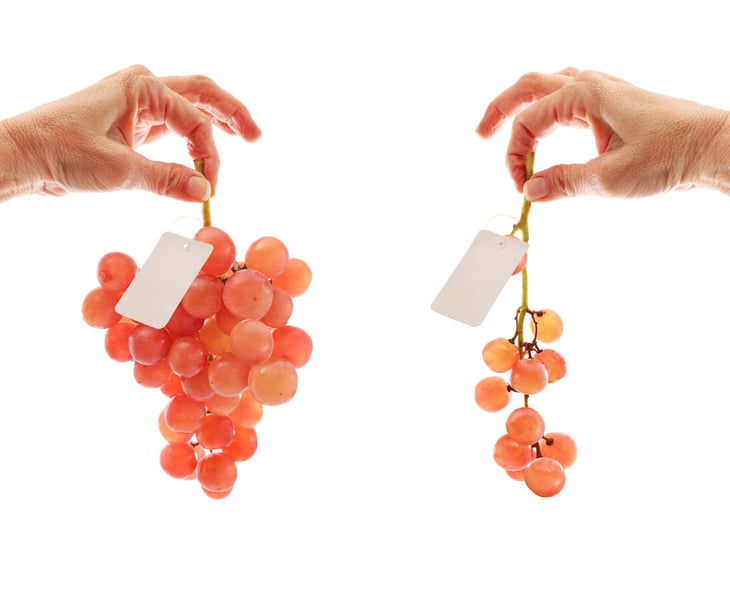
Shrinkflation refers to reducing the size or quantity of a product while keeping the price the same. This tactic is legal in the United States, provided that companies accurately disclose the weight or number of units on the packaging. With inflation driving up production costs, companies often use shrinkflation to manage rising expenses without raising prices outright.
A Longstanding Trend

Shrinkflation isn’t new. Consumer Reports highlighted it in 2014 when it revealed that Charmin’s double roll of toilet paper had shrunk from 266 sheets per roll to 231 sheets within four years. Products that consumers use every day, from snacks to household goods, have followed a similar trend. If you’re looking to save on everyday items, can start using coupon sites and apps like Rakuten or Capital One Shopping.
The Two Types of Shrinkflation
While many people are familiar with the straightforward version of shrinkflation, where a product’s size or quantity decreases, there is another form called “skimflation.” Skimflation involves keeping the product size the same but reducing the quality. Companies may use cheaper ingredients or modify their formulas to save on costs, often subtly impacting taste or performance.
Why Companies Choose Shrinkflation Over Price Hikes

Companies justify shrinkflation by arguing that reducing product size or quality is better for consumers than raising prices. This approach maintains the illusion of stability but is not always in the consumer’s favor.
For instance, laundry detergents might still clean your clothes but may not perform as effectively due to formula changes to cut production costs. Subtle adjustments, like reducing the concentration of active cleaning agents, can go unnoticed until consumers realize their clothes aren’t as spotless as they used to be.
The Case of the Disappearing Tic Tacs
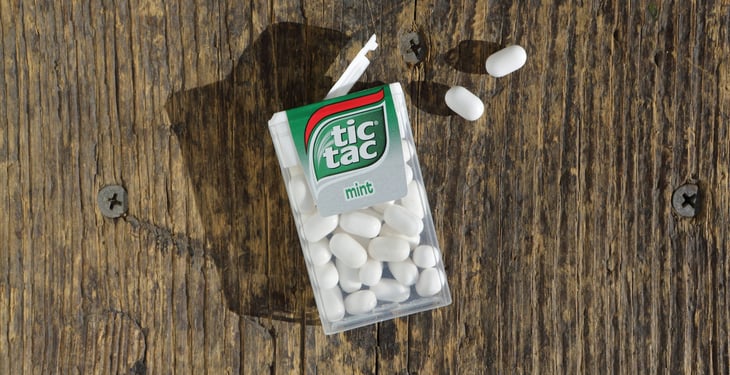
Donald Trump’s recent remarks about Tic Tac containers sparked discussions on product sizing, even though Tic Tacs have not actually shrunk. This incident reminds us of shrinkflation’s real impact on many other products. While consumers may not notice immediate changes, companies often reduce product sizes incrementally to avoid backlash.
This is exactly why companies make such changes incrementally—the impact is less obvious, and consumers are less likely to feel short-changed.
The Impact on Your Wallet

The cumulative effect can be substantial even if shrinkflation seems insignificant when looking at individual products. Paying the same price for fewer products means your money isn’t stretching as far as it used to. This hidden cost is a form of inflation that can slowly eat away at your budget without you realizing it.
One way to fight back is to buy everyday items with a new cash back rewards credit card or a no-interest card to save where you can and stretch your dollar further. Make sure and add these cards to your cash back shopping sites and your phone wallets for easy access.
What Can Consumers Do?

To counter shrinkflation, consumers should be vigilant. Pay attention to packaging and unit weights when making purchases, and compare prices based on cost per unit rather than sticker price. Being informed helps you make better buying decisions and maintain control over your spending, even as companies try to make cuts that seem small on the surface.
Stay Savvy

Trump’s remarks, although not reflective of Tic Tac’s current sizing, have reminded consumers to stay vigilant about product sizes and packaging changes in general. Shrinkflation continues to be an issue that can affect the value of what you buy.
It isn’t likely to disappear anytime soon. By staying informed and paying close attention to the products you buy, you can better navigate this economic reality and ensure you’re getting the most for your money. And the next time you reach for a pack of Tic Tacs or any household staple, remember: sometimes, the change isn’t in the price—it’s in the size.

Add a Comment