


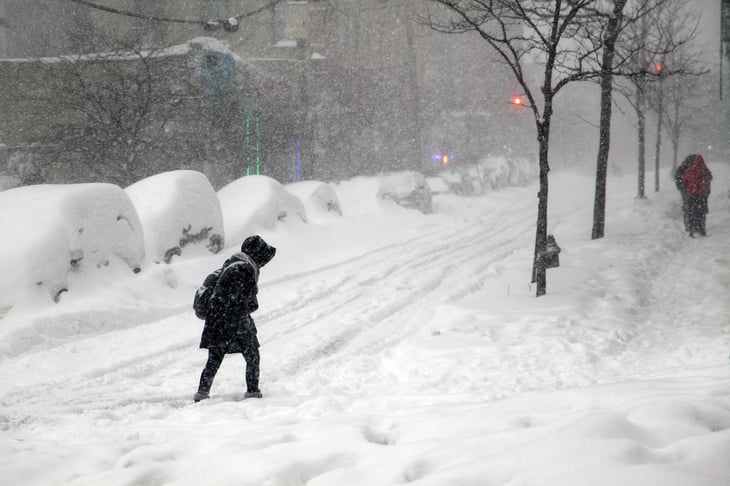
Winter can be brutal on your home and wallet, with rising heating costs, expensive travel, and unexpected weather-related repairs. But with the right strategies, you can stay warm without spending a fortune.
From energy-saving tricks to smart shopping hacks, these blizzard-proof tips will help you cut costs and make the most of the colder months. Here are 10 easy ways to save big this winter!
1. Weatherproof Your Home

Small leaks and drafts can send your heating bill soaring by allowing warm air to escape and cold air to creep in. Sealing gaps around windows and doors, adding insulation, and using thermal curtains help retain heat and improve energy efficiency. Even simple fixes like applying weather stripping can make a noticeable difference in keeping your home warm.
Ignoring drafts forces your heating system to work harder, leading to higher energy costs and unnecessary wear on your HVAC unit. Applying caulk or foam sealant to cracks and installing door sweeps can further block cold air from entering.
Regularly inspecting your home for air leaks and making small adjustments throughout the season can result in significant long-term savings.
Pro Tip: A well-insulated home saves on energy bills—and may even lower your insurance costs. Compare quotes from top providers today to see if you qualify for a better rate while keeping your home warm and protected this winter!
2. Cut Costs on Groceries

Winter storms can cause food prices to spike, especially for fresh produce. Buying in bulk, stocking up on non-perishable items, and using store loyalty programs can help you save. Planning meals around seasonal produce can also lower costs.
Additionally, frozen fruits and vegetables are often just as nutritious as fresh options and can be a cost-effective alternative during winter. Taking advantage of sales and coupons can further reduce grocery expenses, especially on pantry staples like rice, beans, and canned goods.
Consider meal prepping in advance to avoid last-minute grocery runs, which often lead to impulse purchases and higher costs.
3. Insulate Your Pipes to Prevent Costly Repairs

Frozen pipes can burst and cause expensive water damage. Wrapping exposed pipes with insulation or heat tape can prevent freezing and costly repairs. If temperatures drop significantly, let faucets drip slightly to keep water flowing.
Beyond frozen pipes, winter weather can lead to other costly home repairs, such as roof leaks from ice dams or cracks in the foundation due to freeze-thaw cycles. Clogged gutters can also cause water to back up and seep into your home, leading to mold and structural damage.
Preventive measures, such as clearing gutters, sealing foundation cracks, and inspecting your roof for weak spots, can help you avoid expensive emergency repairs when temperatures drop.
Pro Tip: Winter home repairs can be costly, but a home equity loan offers quick access to cash when you need it most. Avoid financial stress and tackle repairs before they become bigger problems. See how much you can get, how fast you can get it and how little you'll pay.
4. Cut Heating Costs with Ceiling Fans

Ceiling fans aren’t just for summer! Switching your fan to spin clockwise at a low speed helps push warm air down, reducing the need to turn up the heat. This simple trick can make rooms feel warmer without increasing your energy bill.
Since warm air naturally rises, running your ceiling fan in reverse helps distribute heat evenly throughout the room, eliminating cold spots. This is especially useful in homes with high ceilings, where heat accumulates near the top.
Using ceiling fans strategically can reduce strain on your heating system, leading to lower energy consumption and long-term savings on utility bills.
5. Buy Winter Essentials Off-Season

When demand is high, retailers mark up winter gear like coats, boots, and snow blowers. Shopping for these items during end-of-season sales or clearance events can save you 50% or more. Stocking up early ensures you’re prepared before prices spike.
Another smart strategy is to shop online and use price-tracking tools to monitor discounts throughout the year. Many stores also offer additional savings through cashback programs or store credit cards, making it easier to maximize your winter purchases while staying within budget.
6. Save on Heating with Space Heaters

Instead of cranking up the heat for your entire home, use an energy-efficient space heater to warm just the rooms you use most. This targeted heating method can significantly lower your monthly energy bill. Look for models with safety features like auto shut-off to prevent fire hazards.
To protect your investment, consider purchasing a space heater with a manufacturer warranty or extended coverage for added peace of mind. Additionally, always follow safety guidelines, such as keeping the heater at least three feet away from flammable materials, to prevent costly fire damage to your home.
Pro Tip: Protect your home and budget from unexpected breakdowns this winter. First American offers coverage for heating systems, appliances, and more—helping you avoid costly repairs. Take a second and see policies cost and what they cover to see how much you can save.
7. Use Free Sunlight for Natural Heat

Open curtains on south-facing windows on sunny days to let in natural warmth. This passive heating technique can reduce your reliance on artificial heating. At night, close the curtains to trap heat inside.
For even better insulation, use thermal or blackout curtains, which help retain warmth and prevent heat from escaping through the windows. Window film or insulated blinds can further boost energy efficiency by reducing drafts and heat loss. Over time, these simple adjustments can lower your heating costs and make your home more comfortable during the colder months.
8. Plan Ahead for Cheaper Travel

Winter travel costs can skyrocket, especially around holidays. Booking flights and accommodations early, using fare comparison tools, and traveling on off-peak days can help you lock in lower prices. Flexibility is key to scoring the best deals.
Consider flying midweek instead of on weekends, as flights are cheaper on Tuesdays and Wednesdays. Bundling your flight and hotel through travel sites can also provide significant savings, sometimes even including free breakfast or resort credits.
Additionally, signing up for airline and hotel loyalty programs can earn you points or discounts, making future trips even more affordable.
Pro Tip: Winter travel can be unpredictable—flight cancellations, lost luggage, and medical emergencies can add unexpected costs. Avoid financial stress by securing coverage before you go. Protect your journey now and travel with peace of mind!
9. Lower Your Water Heating Costs
Water heating accounts for about 18% of your home’s energy use. Lowering the temperature on your water heater to 120°F can cut costs while still providing hot showers. Using a water heater blanket can also prevent heat loss and improve efficiency.
Additionally, installing low-flow showerheads and faucet aerators can reduce hot water usage, further lowering energy costs. Regularly flushing your water heater to remove sediment buildup can also improve efficiency and extend its lifespan, saving you money on potential repairs or replacements.
Pro Tip: Lowering your energy costs is just one way to save—maximize your savings even further with the right credit card. Get a rare card with 0% intro APR to ease debt pressure to ease debt pressure and earn up to 10% cash back in your first year. Smart spending starts here!
10. Use a Smart Thermostat
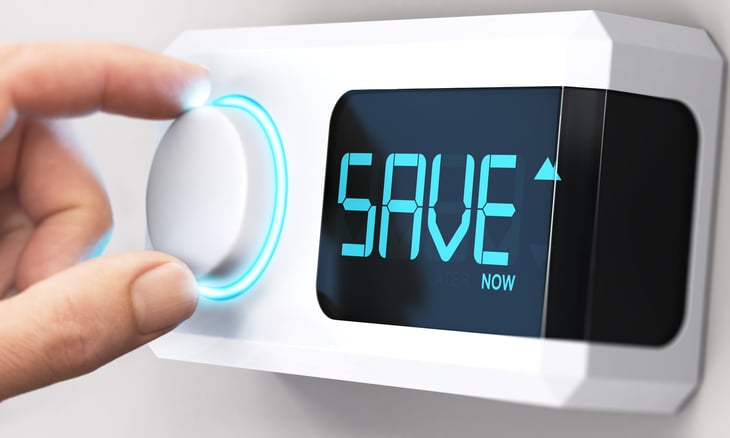
Smart thermostats also allow you to remotely control your home’s temperature, ensuring efficiency even when you’re not there. Over time, these devices learn your habits and optimize heating schedules, maximizing comfort while minimizing energy waste.
Many models integrate with voice assistants like Alexa or Google Home, making it even easier to adjust settings hands-free. Plus, some smart thermostats provide energy usage reports, helping you track and fine-tune your heating habits for even greater savings.
Stay Warm and Save More
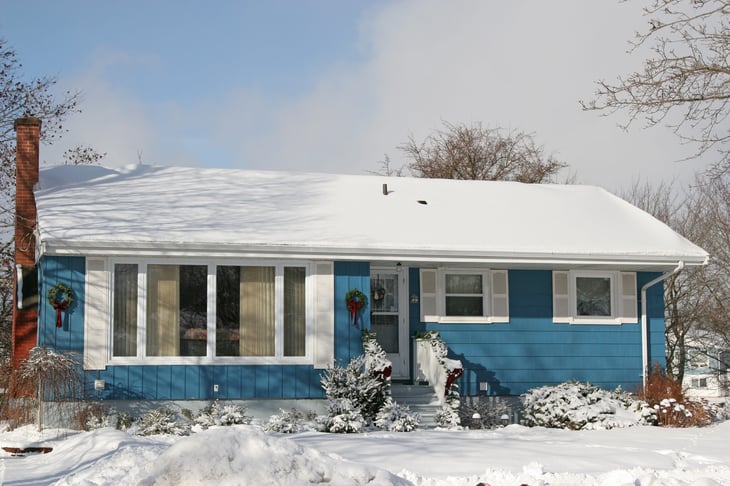
Winter doesn’t have to drain your wallet! By taking a few smart precautions, you can keep heating costs low, find great deals, and avoid expensive weather-related repairs.
Implementing these blizzard-proof savings tips can help you stay warm and financially secure all season long.

Add a Comment