



Many drivers pay too much for car insurance because of common misconceptions. Understanding these myths can help protect your wallet and ensure you get the best coverage.
Here’s what financial experts want you to know about saving on your premiums while maintaining proper protection.
Myth 1: You’ll Save Money with Minimum Required Liability Coverage
Bare minimum insurance (aka the state’s minimum required liability coverage) will cost you more in the long run if you’re in an accident.
According to the Insurance Information Institute, carrying only minimum liability coverage can put your assets at serious financial risk as a driver. With the average post-accident hospital stay costing over $60,000 – exceeding many states’ minimum coverage requirements – accident victims may sue for damages beyond insurance limits, potentially targeting the at-fault driver’s savings, property, and future earnings to cover medical bills, lost wages, and other expenses.
Pro Tip: Use a car insurance shopping site and find cheaper insurance. You might save up to $600/yr.
Myth 2: There’s an Age Penalty for Older Drivers

Many older drivers assume their rates automatically increase with age and remain loyal to their insurance carrier. The truth is drivers over 55 can pay significantly less than younger drivers.
Older drivers can qualify for significant discounts by completing accident prevention courses through AAA or AARP. Retired drivers can shop around for reduced car insurance with companies who offer discount rates to low-mileage drivers; retirees usually drive less than employed drivers who work full or part-time.
Pro Tip: Slash expenses on dining, travel, eyeglasses, prescriptions and more with AARP – Just $15/year with auto-renewal. Join now and save hundreds.
Myth 3: Credit Scores Don’t Impact Insurance Rates

Drivers don’t realize that poor credit scores affect their insurance rates. When insurance carriers give car insurance quotes, they’re not required to disclose the reason behind the rate if the consumer doesn’t ask questions.
Maintaining a good credit score or working to raise it can lead to lower premiums. Use free credit reporting tools to monitor your credit score, and seek help from a knowledgeable debt relief service if your credit score is less than ideal.
Pro Tip: If you have more than $20,000 in unsecured debt, get some professional help. National Debt Relief is a trusted source for free advice and assistance.
Myth 4: Red Cars Cost More to Insure
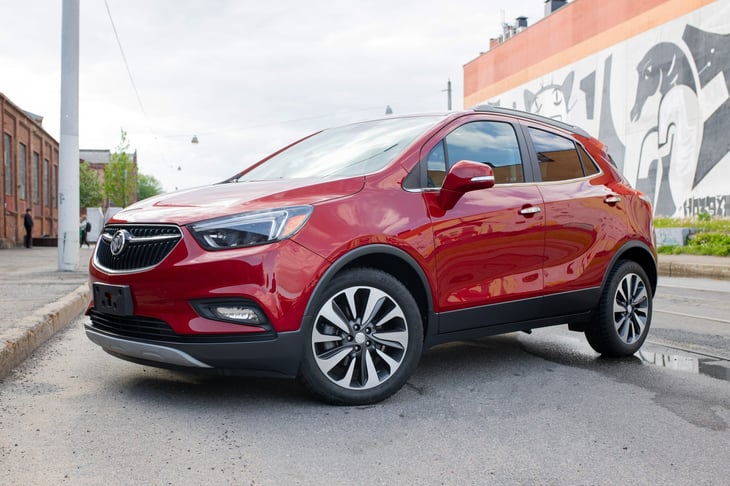
Forget what you’ve heard about red cars costing more to insure. Your vehicle’s color has zero impact on your premium.
Instead, choose a car that isn’t at the top of the most stolen cars list, and avoid imported luxury or sports cars with high auto part prices. Both of these factors influence car insurance rates.
Pro Tip: Save up to $600 on your car insurance with this car insurance comparison site.
Myth 5: Full Coverage Covers 100% of Auto Loans
Vehicles lose value immediately after purchase, dropping 20% within the first year and continuing to depreciate yearly. Standard auto insurance only covers this depreciated value – the car’s current market value when you file a claim.
Financial experts advise drivers with long-term or large auto loans to carry GAP insurance, protecting you from owing thousands of dollars on a totaled vehicle. Gap insurance covers the difference between your car’s current value (paid by standard insurance) and your remaining loan balance if the car is totaled.
Pro Tip: Repair costs are skyrocketing. If you’re concerned about coming up with thousands for a car repair, consider the cost/benefit of an extended car warranty.
Myth 6: You Must Be a Veteran to Qualify for Military Discounts

While it’s true that active service members and veterans enjoy military discounts for car insurance, they’re not the only ones. Adult children, teenagers, and spouses of veterans can qualify for military discounts through USAA and other companies; ask.
Be ready to provide documentation of your relationship with service members; companies will require documentation to honor the discount.
Myth 7: Full Coverage Covers Accidents with Uninsured/Underinsured Drivers

Thirty states do not require insurance carriers to cover damages in accidents with at-fault uninsured/underinsured drivers. If an uninsured or underinsured driver hits you, you could face significant medical bills and repair costs, even if you have full coverage.
If this coverage is mandatory with whole coverage policies in your state, ask your insurance carrier about coverage limits. Extra coverage for bodily injury and property damage in cases of uninsured or underinsured drivers is surprisingly affordable, and it can save you from astronomical medical and property repair bills in the future.
Informed Car Insurance Choices Lead to Real Savings

Understanding these insurance myths can lead to better coverage decisions and significant savings. Review your car insurance policy annually, ask about available discounts, and shop rates with competing insurance providers.
You deserve the right combination of coverage and discounts to protect your vehicle and your financial future.

Add a Comment