


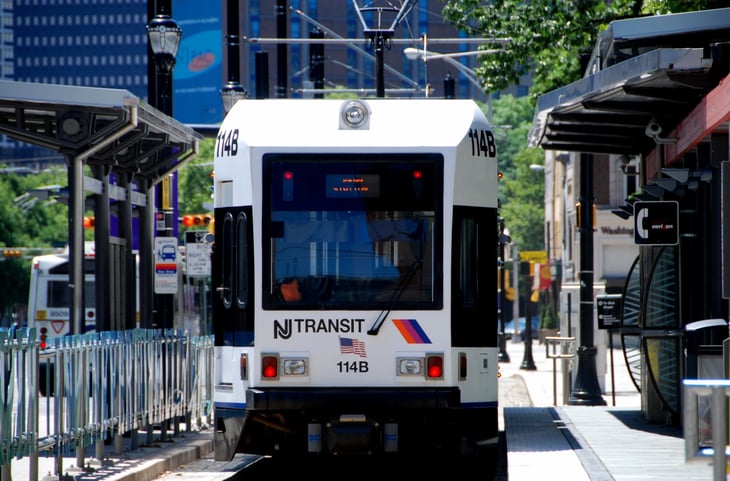
Public transportation is a lifeline for millions of Americans, but growing concerns about crime, accidents, and declining infrastructure have forced many cities to plan improvements.
For riders, safety concerns aren’t just about well-being — they can also impact financial stability, as unreliable transit can lead to missed work, costly rideshares, or even car purchases.
According to the American Public Transportation Association, individuals who switch from driving to public transit can save over $10,000 annually on average by avoiding fuel, maintenance, insurance, and parking expenses.
From advanced surveillance to redesigned bus stops, these 18 cities are launching bold safety overhauls to protect riders and restore public confidence.
1. New York City, NY: Deploying transit ambassadors

Faced with a post-pandemic ridership slump and rising subway incidents, NYC has introduced transit ambassadors, trained personnel who assist riders and de-escalate issues in real time.
These efforts aim to rebuild trust and make subways safer without increasing police presence. A safer system encourages more New Yorkers to rely on public transit, which can significantly cut commuting costs compared to driving or using rideshare services.
The city also launched congestion pricing, charging drivers $9 to enter Manhattan below 60th Street during peak hours, according to the Metropolitan Transportation Authority’s official website.
The revenue will fund transit improvements and further encourage affordable, reliable commuting options.
If your city doesn’t offer transit ambassadors, consider traveling during busier hours and staying near staffed areas or well-lit platforms for added peace of mind.
2. San Francisco, CA: Expanding unarmed safety teams

Bay Area Rapid Transit (BART) now deploys unarmed crisis intervention specialists across its rail system.
These teams are trained to handle mental health issues and prevent conflict, offering an alternative approach to traditional policing on public transit.
By promoting a safer and more inclusive environment, BART helps ensure that public transit remains a cost-effective and dependable option for riders looking to reduce their transportation expenses.
Officials hope this program will serve as a model for future urban transit improvements.
3. Chicago, IL: Investing in high-def cameras
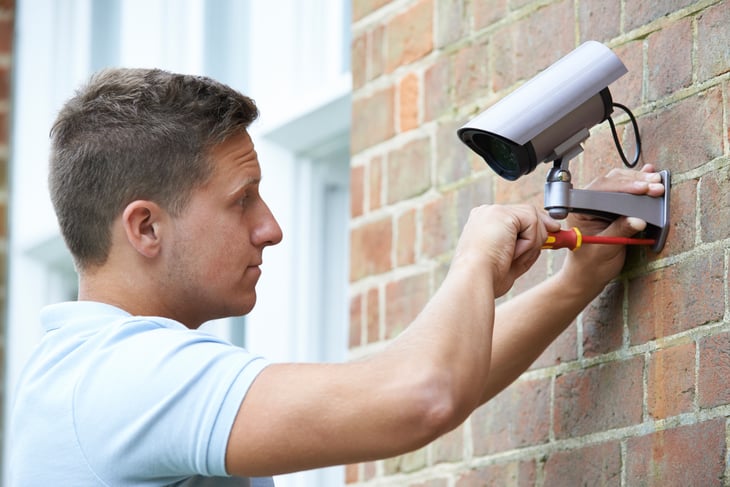
The Chicago Transit Authority (CTA) has expanded surveillance with high-definition cameras in stations and on trains. These upgrades help deter crime and assist in investigations, boosting system-wide accountability.
According to the CTA, enhanced video coverage has already supported quicker responses and improved safety outcomes.
For budget-conscious riders, safer transit makes skipping the car more appealing. Regular use can reduce fuel, parking, and maintenance costs by hundreds each month.
City officials say the upgrades aim to rebuild rider confidence and make public transit a dependable daily choice.
4. Los Angeles, CA: Doubling lighting at stops
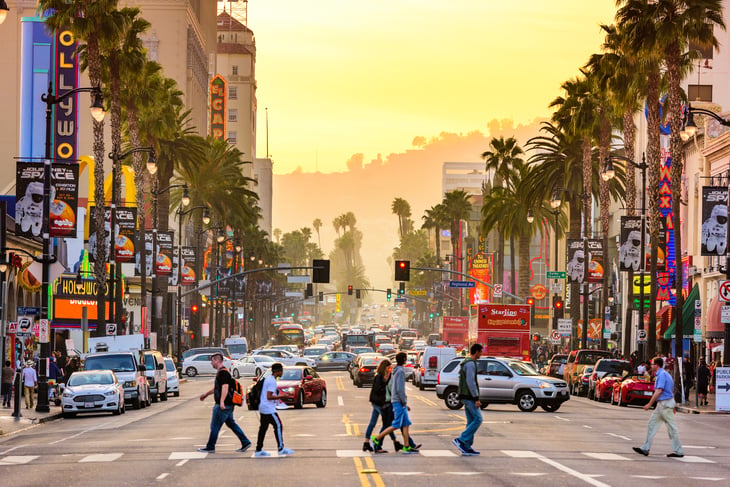
The LA Metro is redesigning bus stops and train platforms with brighter lighting and open sightlines. The improvements aim to discourage loitering, enhance visibility for security teams, and reduce riders’ nighttime vulnerability.
Safer and more reliable transit access can help commuters stick to their monthly transportation budget by reducing unexpected expenses, like rideshare costs or vehicle repairs.
The approach highlights the importance of proactive planning and real-time rider support.
5. Portland, OR: Partnering with social workers

TriMet’s “Safety Response Team” pairs unarmed personnel with outreach training to assist riders and diffuse conflict on trains and at stations.
According to the Portland Mercury, team members help connect houseless individuals to support services and de-escalate incidents without police involvement.
This human-first strategy reduces tensions and promotes rider comfort, encouraging more people to stick with public transit rather than turn to costly alternatives.
Officials say the program also boosts worker safety and reduces delays caused by disruptions or emergencies.
6. Washington, D.C.: Launching ‘Safe Stations’
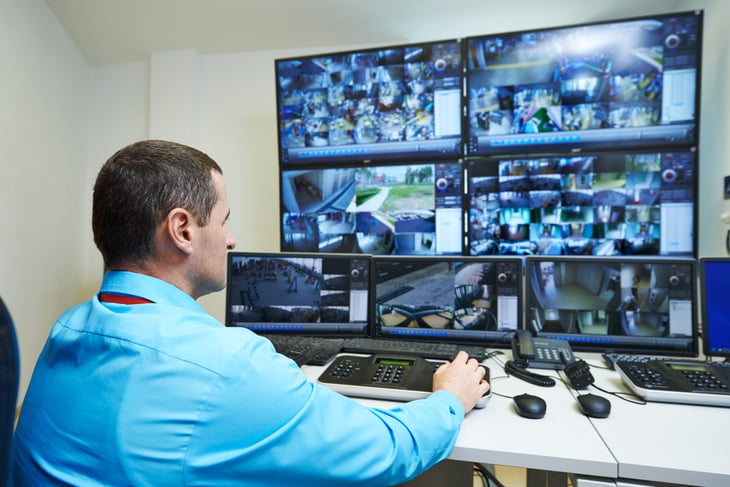
Metro has rolled out “Safe Stations” equipped with emergency intercoms, real-time monitoring, and direct police dispatch capabilities.
These hubs give riders a clearly marked refuge point if they feel threatened or need help quickly. Enhanced safety features like these can reduce the likelihood of unexpected disruptions that lead to missed work or costly delays, helping commuters protect their time and income.
Planners believe this solution balances security with accessibility in a meaningful way.
7. Philadelphia, PA: Rebuilding rider trust

The Southern Pennsylvania Transportation Authority (SEPTA) is piloting community outreach programs and increasing patrols to combat fare evasion and assaults.
By directly engaging neighborhoods, officials hope to build a sense of shared responsibility for keeping transit systems secure. Safer, more reliable transit options help workers avoid costly disruptions impacting income and productivity.
This marks a shift toward more people-centered and responsive transit operations.
8. Seattle, WA: Focusing on design for safety
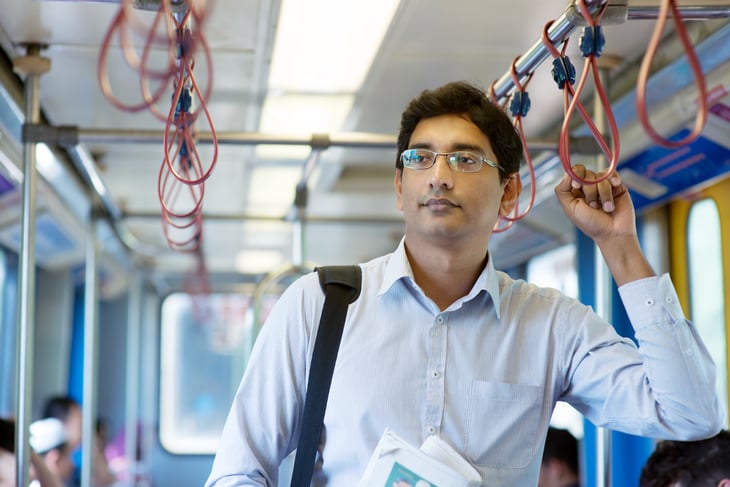
King County Metro invests in Crime Prevention Through Environmental Design (CPTED), including transparent shelters, seating visibility, and improved signage.
These passive solutions make riders feel safer without overt enforcement. Improving safety through design enhances the rider experience and helps minimize the risk of unexpected costs, like lost wages due to missed connections or time off after an incident.
It exemplifies how safety innovation can be scaled across multiple systems.
When choosing your route, prioritize stations with updated lighting, clear sightlines, and visible signage. These design upgrades can make a big difference in how secure you feel.
9. Atlanta, GA: Bringing back fare gates
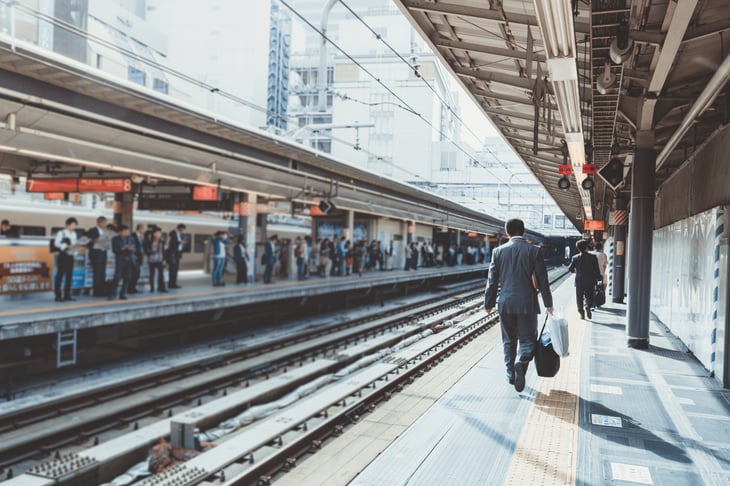
The Metropolitan Atlanta Rapid Transit Authority (MARTA) is reinstalling and upgrading fare gates at several major stations to combat fare jumping and unauthorized access.
The move helps track ridership data while adding a physical barrier to enhance security. Strengthening fare enforcement and access control can reduce system losses and help transit agencies invest more effectively — supporting stable, predictable service that working individuals can count on.
These upgrades are designed to restore trust and promote a positive commuting experience.
10. Boston, MA: Piloting body-worn cameras

The MBTA has begun outfitting transit police with body-worn cameras to boost transparency and accountability.
Riders report feeling safer knowing there’s documentation of enforcement interactions. Greater transparency helps prevent misunderstandings or legal issues that could result in lost time or unexpected expenses for commuters.
The program demonstrates how thoughtful design can lead to safer, more welcoming spaces.
11. Denver, CO: Addressing drug activity

The RTD has launched a task force to monitor and prevent substance use in transit areas. The agency aims to improve cleanliness, safety, and comfort for daily commuters by tackling open drug use.
Reducing exposure to unsafe or disruptive environments helps commuters stay focused, avoid unexpected delays, and maintain control over their schedules — key factors in managing both time and financial responsibilities.
This reflects growing awareness of how rider dignity and safety are interconnected.
12. Minneapolis, MN: Station cleanup blitz
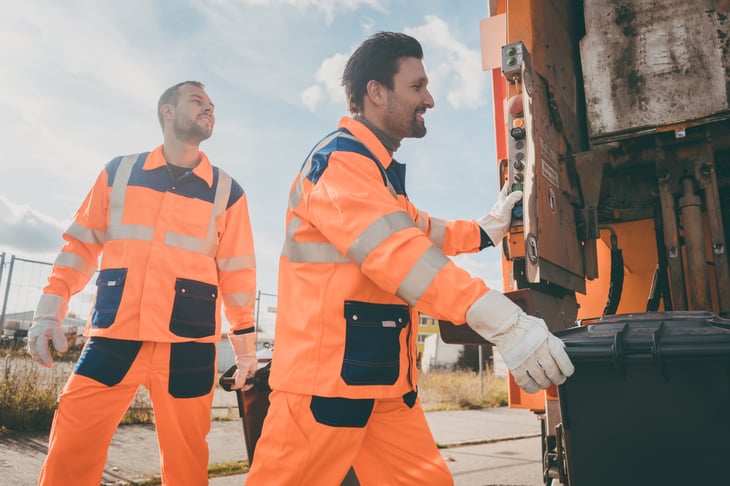
Metro Transit has ramped up cleaning crews and sanitation efforts, targeting litter and vandalism at high-traffic stations.
Crews are also working to install public art in key areas. According to a 2024 state legislative report, such efforts have helped reduce graffiti and improve rider satisfaction.
Cleaner, more welcoming spaces can boost a sense of safety and help reduce delays, lost items, or disruptions that can derail daily routines and add unplanned costs.
Officials see these visual and operational improvements as key to restoring rider confidence and long-term system use.
13. Houston, TX: Expanding on-demand security
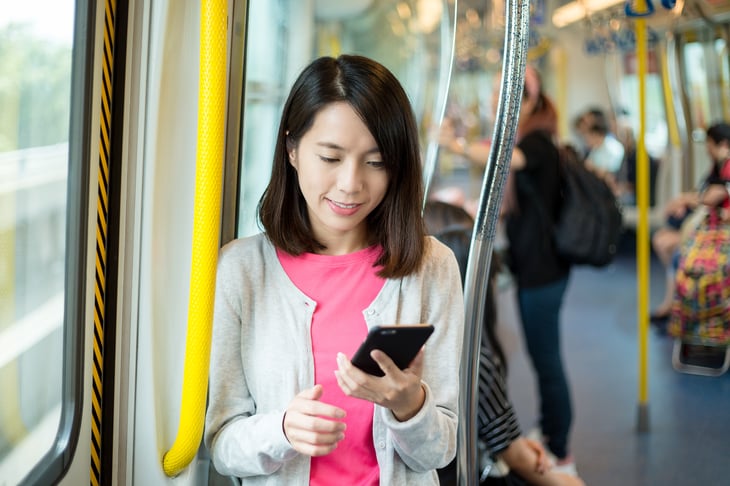
METRO now offers real-time security assistance via a mobile app. Riders can discreetly request help, receive a safety escort, or connect with transit police, improving response times without creating panic.
Having immediate access to support can help prevent incidents that result in missed work, medical costs, or legal complications, making it easier for riders to protect their safety and financial well-being.
This response underscores the critical role that transit systems play in daily urban life.
14. Phoenix, AZ: Rolling out ‘Respect the Ride’ campaign

Valley Metro’s public awareness campaign promotes rider etiquette and safety reporting.
The program includes signage, video PSAs, and a hotline that empowers passengers to speak up about unsafe behavior.
By fostering a more respectful and secure environment, the campaign helps ensure that daily travel remains dependable—an important factor in maintaining work-life balance and personal stability. These enhancements seek to ensure riders feel seen, safe, and supported.
15. Detroit, MI: Upgrading bus fleets for safety
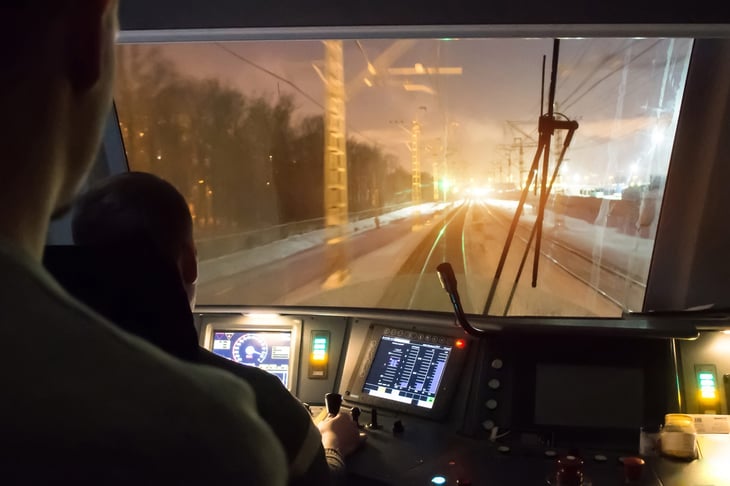
Detroit is phasing in new buses with safety glass barriers for drivers, panic buttons, and enhanced interior lighting.
These upgrades protect both staff and passengers while reducing emergency incidents on board. A more secure and dependable transit experience helps riders stay focused on their day and reduces the stress from unexpected disruptions.
Local leaders are responding to resident concerns with action and accountability.
16. Miami, FL: Strengthening station staffing
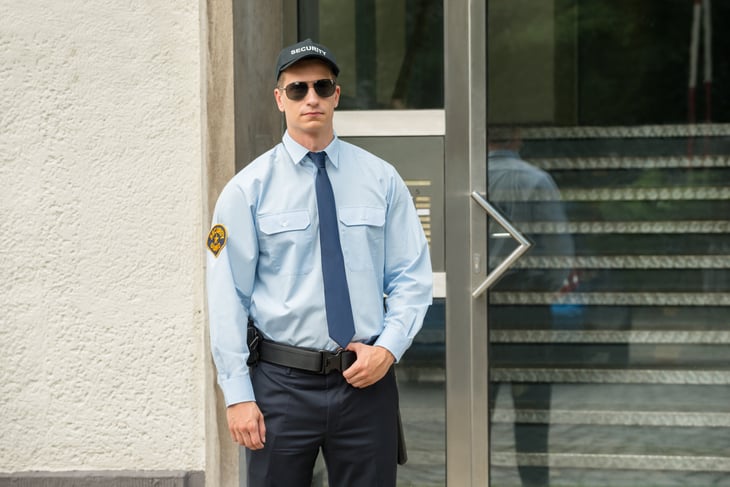
Metrorail stations are now staffed with visible safety personnel trained in both security and customer service. Their dual role helps deter bad behavior and reassure travelers at busy transfer points.
This added presence creates a more welcoming environment, helping commuters navigate their routines with greater confidence and peace of mind. It represents a bold attempt to shift away from reactive policies toward long-term resilience.
Download your local transit agency’s app (or a reliable third-party one) to report incidents, check delays, and avoid last-minute surprises that can derail your day or cost you more.
17. Baltimore, MD: Piloting real-time alerts
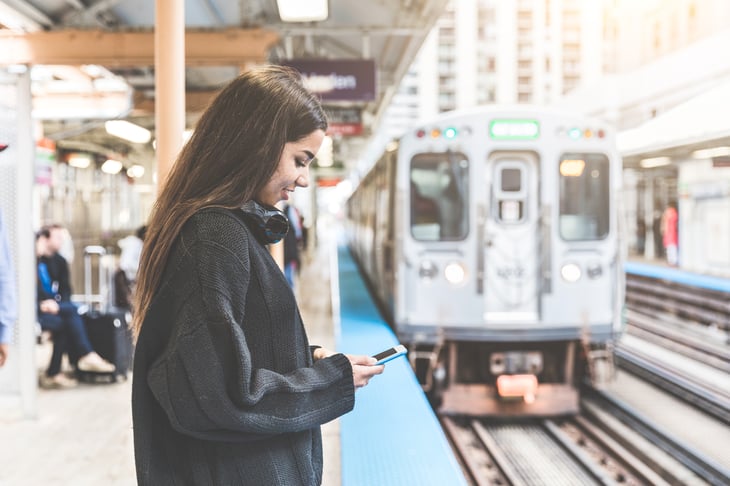
MDOT MTA is testing a system that instantly alerts riders via email and mobile notifications of suspicious activity, service delays, and emergencies.
The pilot program uses tools like the Transit app and MTA’s eAlert system, designed to help commuters stay informed and avoid costly, last-minute schedule changes.
Officials say these updates can minimize stress and missed work, while also boosting trust in the system’s reliability — a top concern among local riders.
Baltimore hopes to improve safety and system-wide accountability by keeping riders in the loop.
18. St. Louis, MO: Building a civilian safety corps

Metro Transit has introduced a civilian-led public safety team focused on visibility and approachability.
They build relationships with riders while maintaining order and supporting emergency protocols.
Creating a sense of community and trust on transit systems can lead to more consistent ridership and a more positive daily experience. This move helps establish a foundation for safer, more sustainable transit networks.
Riding toward a safer future
Transit safety isn’t just about security but dignity, reliability, and trust. These 18 cities prove that a mix of tech, design, and community-based solutions can help public transportation serve everyone more safely and confidently.
When public transit is dependable and secure, it supports more stable daily routines, helping people avoid disruptions that can impact income, job access, and overall financial health. The strategy represents a forward-thinking model that other cities may soon follow.

Add a Comment