


The United States heavily relies on imports — it’s one of the largest importers globally. So if import costs go up, consumers stand to feel it unless retailers, restaurants and other companies decide to take the brunt of increased prices.
On April 2, President Donald Trump declared that the U.S. economy was in a state of emergency, due to an imbalance between America’s imports and exports, and announced a bevy of tariffs.
In an effort to balance the trade deficit, he said, there will be a 10% tariff on all countries beginning April 5. Trump will also levy reciprocal tariffs on countries that tax American imports, starting April 9. That’s in addition to Trump’s existing 25% tariff on products imported from Canada and Mexico.
All of these tariffs are expected to make it pricier for American companies to function unless 100% of their production is stateside, which isn’t common. Many companies are likely to pass the additional cost of the tariffs on to consumers.
But other companies are finding workarounds. The following companies are finding ways to avoid charging customers more due to tariffs.
Chipotle
In March, Chipotle CEO Scott Boatwright told CNBC, “It is our intent as we sit here today to absorb those costs.”
However, prices for consumers could change if higher costs cause a “significant headwind” for the company, he said.
Chipotle gets about 50% of its avocados from Mexico, according to CNBC’s sit-down with Boatwright. So, 25% duties on Mexican imports would raise their estimated costs of goods by 0.6%. The rest of their avocados come from Colombia, Peru and the Dominican Republic.
“We are fortunate to have such an extraordinary economic model at Chipotle that we can withstand those types of inflationary pressures and not have to pass those costs off to the consumer,” Boatwright said.

Ford

Ford isn’t just absorbing tariff expenses — it’s discounting its vehicles. The company is offering employee-only prices to its entire customer base. Only certain 2024-2025 Ford and Lincoln models are eligible, such as the Ford Mustang, F-150, F-150 Lightning, Ranger and more.
Ford is calling its offer “From America. For America.” Most (80%) of its U.S.-sold vehicles are built domestically. Still, this discount is no small deal, as no Ford vehicle makes the top 10 on Cars.com’s American-Made Index. Much of the retailer’s parts are imported from overseas, so it faces the prospect of steep levies on those.
The promotion will run until June 2.

Walmart
Bloomberg spoke to anonymous sources with connections to Walmart who said the retailer is asking its Chinese suppliers to cut prices by as much as 10% for each round of tariffs. This essentially asks suppliers to shoulder the additional costs of tariffs instead of consumers.
Bloomberg’s reporting, published April 1, says Walmart’s suppliers find it difficult to meet that demand, though.
According to Bloomberg, “The ongoing negotiations, which are common for Walmart and its vast network of vendors, also show the lengths to which American businesses are going to offset added costs.”

Suerte Tequila
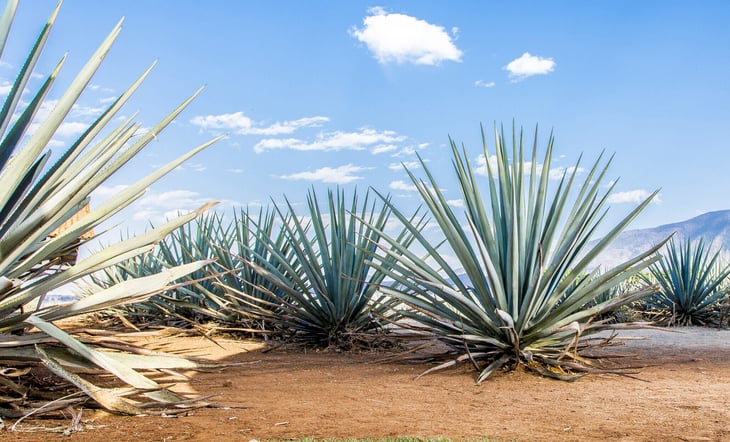
Tequila is widely expected to become more pricey in the U.S. as a result of the tariffs, since authentic tequila is made exclusively from Mexico’s blue agave plants, as we reported in “6 Types of Alcohol That Could Cost More Come August.”
However, Suerte Tequila — a Colorado-based company with a factory in Mexico — isn’t RSVP-ing for that party.
In an April 2 report from CNBC, Suerte Tequila CEO Laurence Spiewak says, “Absorbing the cost of the tariff goes right along with our philosophy and the way that we were setting up and designing and growing our business.”
Suerte is one of a few registered tequila brands that owns its agave fields and has long-term partnerships with growers. It also has majority ownership of its factory in Mexico. Spiewak says these reasons have allowed the company to keep overhead prices low enough to absorb extra expenses.

3 toy companies
Toy company Abacus Brands designs science kits and other educational toys. Most of its products are produced in China. Company president Steve Rad told the Associated Press (AP) in April that they’ll use thinner paper in an 80-page project book that comes with two of its kits. These changes should avert a would-be $10 retail price increase.
“Three or 4 cents here,” Rad says. “Seven or 6 cents there. Two more pennies over there. All of a sudden, you’ve made up the difference.”
Aurora World is another toy company, but it focuses on plushies and toy vehicles. The managing director of the company’s toy division, Gabe Higa, tells the AP the company will use fewer paint colors to minimize material and labor costs. However, they may still have to raise prices down the line.
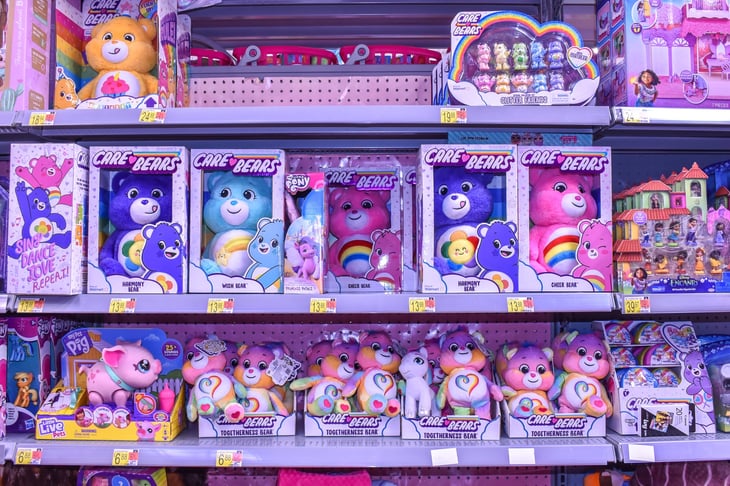
Basic Fun — the company behind Tonka trucks, Lincoln Logs and Care Bears — is asking its retailers to choose between three different packaging options for the spring, CEO Jay Foreman told the AP.
Retailers can choose to keep the current packaging (a box with an open window for viewing), trays attached to the bottom of toys or no packaging aside from a paper price tag that includes brand information.
The second option would reduce the company’s cost per item by $1.25. The third option reduces costs by $1.75 per item. Foreman says this doesn’t cancel out the price hit from tariffs, though, and that additional decisions will have to be made later.

BMW
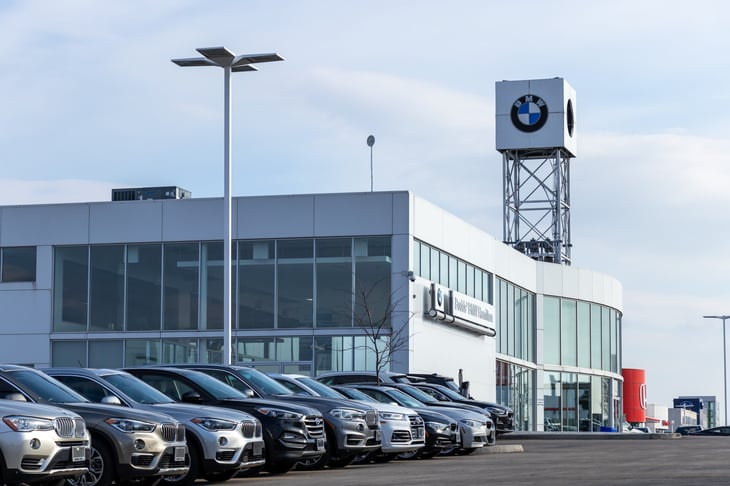
The Wall Street Journal reported in March that BMW was telling dealerships the company would absorb the additional costs resulting from the Mexico import tariff — at least for several weeks.
Although BMW is a German brand, certain models, like the 3 Series sedan and 2 Series coupe, are built in Mexico and subject to the 25% tariff. Those two models account for about 12% of BMW’s U.S. sales.
Per the WSJ report, BMW said it’ll shield prices until at least May 1. A BMW spokesperson said that if tariffs continue, however, the company may have to reassess costs.


Add a Comment