



You’ve accounted for travel, healthcare, and housing in retirement — but what about your cat or dog? Pets offer priceless companionship later in life, but they can also bring sneaky financial surprises that could blow a hole in your retirement budget.
From rising vet bills to emergency boarding, these unexpected costs can be especially risky if you’re already managing debt.
If you have more than $20,000 in unsecured debt, pet costs could push your finances over the edge. National Debt Relief offers trusted, no-cost guidance to help you regain control and protect your retirement savings. Take steps to stabilize your situation — before pet expenses add more pressure to your budget.
1. Vet bills beyond the basics
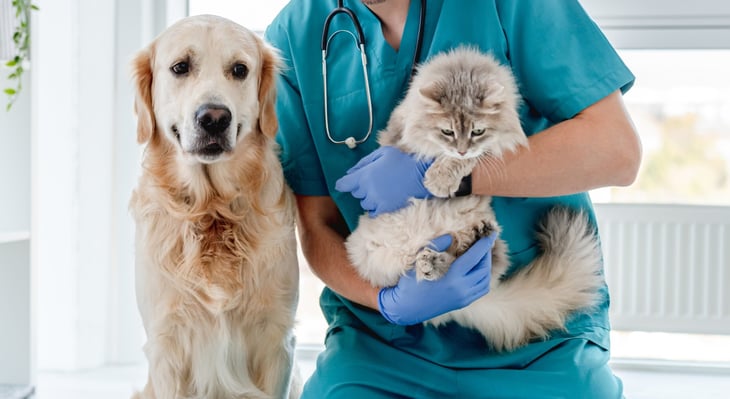
Routine checkups are expected, but chronic conditions, dental work, and age-related treatments can quickly turn into four-figure bills.
A single surgery or long-term medication could drain your emergency fund — especially if your pet develops issues like arthritis, diabetes, or kidney disease. Protect your savings and your furry friends with Pet Insurance.
2. Prescription pet food

Specialty diets for allergies, kidney issues, or digestive problems are often prescribed as pets age. These foods can cost double or triple the price of standard kibble, and are rarely optional.
Your grocery bill might shrink in retirement, but your pet’s could rise.
Offset the cost of specialty pet food by saving in other areas. Slash expenses on dining, travel, prescriptions, and more with AARP — just $15/year with auto-renewal. Join now and save hundreds.
3. Grooming for high-maintenance breeds

That adorable poodle or Persian cat may come with a lifetime of grooming expenses. Haircuts, nail trims, and skin treatments can add up — especially for older pets that require special care.
Skipping it isn’t just about looks — it can lead to infections or costly health problems.
Pro Tip: Routine grooming isn’t cheap, and costs can rise with age. You may not want to skimp on care for your pet, but that makes it even more important to protect your broader retirement savings from creeping expenses. Consider diversifying. Open a gold IRA to help shield your money from inflation, market swings, and unexpected pet-related costs.
4. Pet-sitting and boarding fees

Planning a dream retirement getaway? You’ll need reliable care for your pet while you’re gone. Boarding or pet-sitting can run anywhere from $25 to $100+ per night—more for special needs pets.
Even short trips add up quickly if you travel often.
Pro Tip: Pet-sitting isn’t the only surprise expense that can derail your travel plans. Car repairs can be just as costly. With average jobs now topping $4,000, Endurance helps cover the bill upfront at thousands of ASE-certified shops. You’re only responsible for the deductible. Get a free quote today and keep your retirement trips running smoothly.
5. Home modifications

Older pets may require ramps, stair gates, or non-slip flooring to maintain their safety and mobility. These upgrades are easy to overlook — but not cheap.
In multi-level homes, it could mean changing your entire layout.
Pro Tip: Home upgrades for aging pets can sneak up on your budget — especially in retirement. Don’t wait to boost your savings. A SoFi IRA offers matched contributions and compound growth, so you’re better prepared for pet-related expenses and more. The sooner you start, the more you’ll earn. Get started today.
6. End-of-life care

It’s the hardest part of pet ownership — and often the most expensive. Emergency vet visits, hospice care, cremation, or burial services can cost hundreds or even thousands.
Few retirees budget for it, but you’ll want peace of mind when the time comes.
End-of-life care for pets can be both emotionally and financially draining. Don’t let unexpected costs related to your own healthcare strain your fixed income. Compare Medicare plans to maximize your benefits, reduce out-of-pocket expenses, and free up funds for what matters most.
7. Unexpected damage or accidents

Chewed cords, scratched furniture, or an unexpected bite can lead to repair bills or liability. Some homeowners insurance policies do not cover pet-related damage, especially from certain breeds. In many cases, good training and prevention are more effective than relying on insurance.
A single incident could impact your nest egg more than you think. Pet-related accidents can cost more than expected, and not all homeowners’ policies will help. A home warranty can fill the gaps for damage not caused by your pets.
First American protects everything from appliances to heating and cooling systems, helping you manage repair costs after unexpected damage. Take a second to see what coverage fits your needs.
Your pet is family — but plan accordingly

Pets offer unconditional love — but like any family member, they come with responsibilities. In retirement, that means planning not just for your lifestyle, but theirs too.
By preparing for these often-overlooked expenses, you can enjoy your time together without unexpected financial stress.
Caring for your pet in retirement starts with protecting your finances. Keep your emergency savings working for you with SoFi Checking, offering 3.8% interest and a potential $300 signup bonus. (Offer may change without notice.) A stronger safety net means more peace of mind — for both you and your furry companion.

Add a Comment