



Being part of the middle class has always meant having enough to live comfortably while saving for the future. Current economic pressures are making that dream increasingly challenging to achieve.
Financial analysts warn that everyday items and services could soon become luxury purchases for average Americans.
Pro Tip: Safeguard your savings with an asset that can withstand economic downturns by opening a gold IRA to hedge against inflation and financial uncertainty.
1. Coffee becomes a costly luxury

Your morning brew might take a bigger bite out of your wallet. Arabica coffee prices surged over 80% in 2024, with dramatic spikes in the final months following severe drought conditions in Brazil, the world’s largest coffee exporter.
Climate issues have consistently disrupted coffee production in recent years, while global demand continues to rise.
For budget-conscious households, this means paying $7-8 for a basic coffee shop drink or watching home-brewing costs climb as premium bean prices soar. Consider exploring alternatives or buying coffee in bulk from co-ops and wholesale clubs.
Pro Tip: Don’t want to give up your morning brew? Cut other monthly expenses from your budget. Paying more than $15 a month for your cell service? Click here to save a bundle.
2. Grocery staples strain household budgets
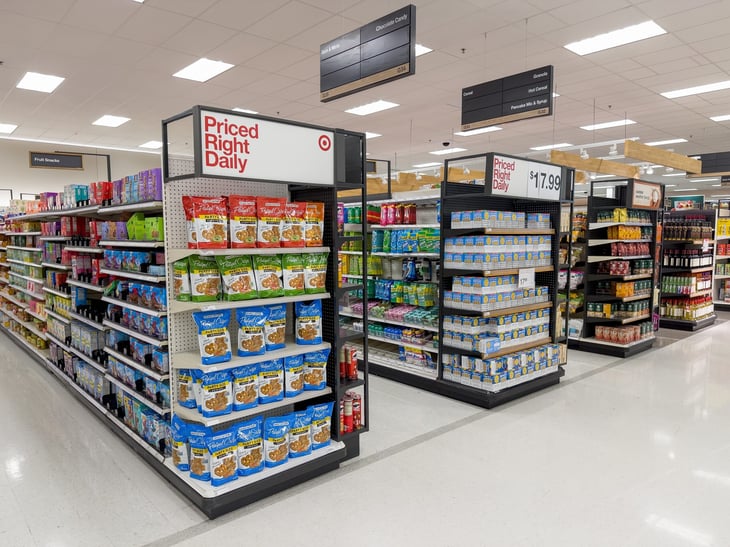
The weekly grocery trip is becoming an exercise in financial planning. Necessities like eggs, milk, meat, and produce are expected to see continued price increases that outpace middle-class wage growth.
If tariffs on Mexican and Canadian imports take effect, food prices could surge, as Mexico supplies nearly half of U.S. imported fruits, including most avocados, strawberries, tomatoes, and bell peppers.
Experts recommend meal planning, buying in-season, and bulk purchasing to manage costs, while many families are also rethinking their savings strategies.
Pro Tip: As you monitor and improve your grocery budget, don’t neglect your physical well-being during stressful economic times. Life Line Screening reveals hidden health risks so you can act early. Book a screening today and have peace of mind.
3. Apparel prices climb dramatically
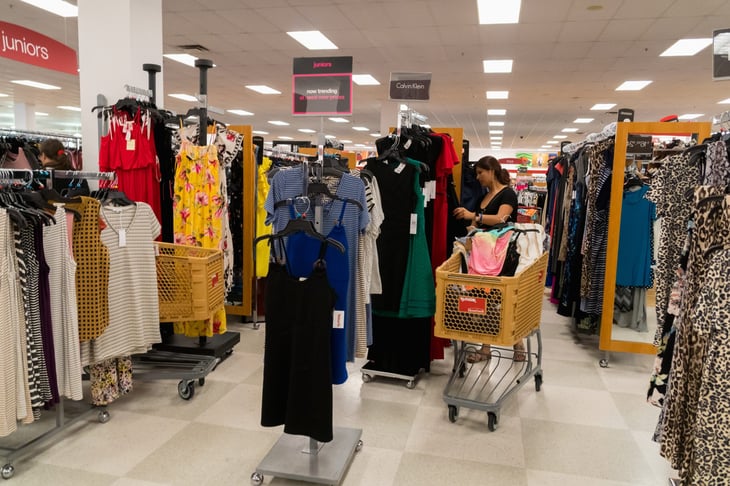
According to a 2024 National Retail Federation report, proposed tariffs could increase apparel costs by 12.6% to 20.6%. Even budget-friendly fast fashion isn’t immune–Shein already increased prices by over one-third on essential items in mid-2024.
Smart shoppers should consider building timeless capsule wardrobes focused on quality or buying high-ticket items on consignment to maximize their clothing budget. Finding additional discounts becomes even more crucial for seniors during inflationary periods.
Pro Tip: If rising costs are pushing you deeper into debt, don’t wait to get help. If you have more than $20,000 in unsecured debt, get some professional help. National Debt Relief is a trusted source for free advice and assistance.
4. Vacation costs put travel out of reach

Vacations are getting pricier for middle-class families as airline ticket costs continue to rise, potentially becoming unaffordable for many.
Under proposed tariff structures, the travel goods sector could see price increases of 13% to 21.5%. These costs could cascade through the hospitality industry as hotels absorb higher furniture, fixtures, and equipment prices.
Middle-class earners ($56,600–$169,800) may need to budget carefully for vacations, opting for domestic road trips.
Pro Tip: Don’t risk financial loss on your next adventure! Unexpected cancellations can drain savings, and medical emergencies abroad can cost tens of thousands of dollars. Protect your journey now!
5. Personal electronics become premium purchases

If you’ve been putting off upgrading your technology, now might be the time to act. Supply chain experts warn that if changes to U.S. trade policy are implemented, laptop and tablet prices may rise by as much as 46%, and smartphone prices could jump by approximately 26%.
Middle-class families with students face rising tech costs and straining budgets. Experts recommend maintaining and upgrading devices instead of full replacements while reassessing debt management strategies.
Pro Tip: As costs rise, look for sales and discounts. Slash expenses on technology and wireless with AARP – Just $15/year with auto-renewal. Join now and save hundreds.
6. Vehicle affordability reaches crisis point

The automotive market has been challenging for middle-class buyers, with the average new car price approaching $48,000. Used car prices have increased by nearly $9,000 compared to seven years ago, eliminating what was traditionally a more affordable option.
This situation could deteriorate further as integrated manufacturing processes between the U.S., Canada, and Mexico face disruption from potential tariffs, potentially adding $2,700 to the average price of an American vehicle.
Smart consumers can cut costs by maintaining vehicles longer, using car-sharing services, exploring alternative transportation, and reviewing car insurance.
Pro Tip: As vehicle costs surge, look for savings elsewhere in your car budget. Use a car insurance shopping site and find cheaper insurance. You might save up to $600/yr.
7. Housing market remains challenging

The American dream of homeownership is becoming increasingly elusive for middle-class families. According to economist forecasts, 2025 could continue to be a seller’s market, with home prices expected to rise slower than in recent years.
The National Association of Realtors projects a 2% rise in median home prices to $410,700 by 2025, with mortgage rates stabilizing but staying high.
As housing costs climb, middle-class families use home equity for expansions or outdoor upgrades to enhance staycations.
Pro Tip: A home equity loan is a great way to access home improvement cash. Take a minute right now and see how much you can get, how fast you can get it and how little you'll pay.
Protecting your financial future amid rising costs

As these price increases occur, middle-class families must develop a budget strategy to fund retirement and emergency savings accounts. Creating an inflation-resistant financial plan can help protect your household from the worst impacts of these rising costs.
While the economic landscape presents challenges, thoughtful financial planning can help preserve your middle-class lifestyle even as these goods and services become increasingly expensive.
Pro Tip: Strengthen your financial future with assets that hold value in uncertain times by opening a gold IRA to hedge against inflation and economic downturns.

Add a Comment