



Realizing you’ve made a costly tax mistake is gut-wrenching. Overpaying or facing IRS penalties is something no one wants.
Every year, Americans leave billions on the table due to preventable errors. The tax code’s confusing rules can be costly and mistakes often snowball when situations get complicated.
Seeking professional help could save you both stress and money. Let’s explore the nine most damaging tax mistakes and how to avoid them.
Pro Tip: Struggling with debt and payments in retirement? A reverse mortgage can turn your home equity into tax-free cash for seniors 62+, no house sale required. Use the funds for medical bills, home repairs, or even that dream vacation—without monthly payments!
1. Missing valuable deductions and credits
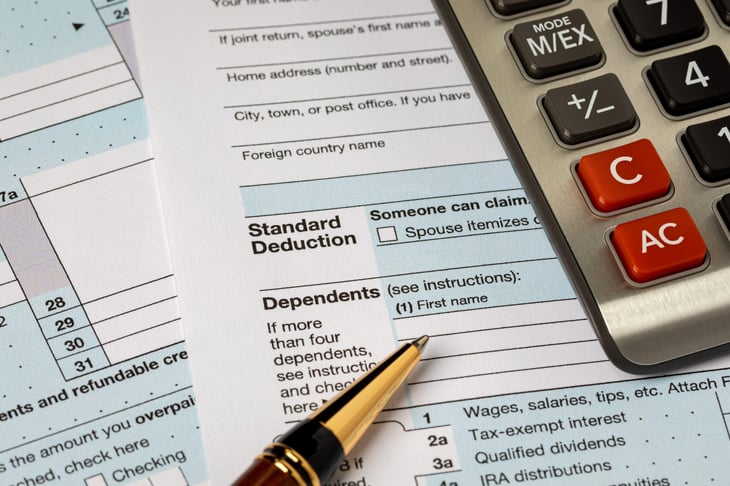
The difference between a tax deduction and a tax credit matters for your wallet. Deductions reduce taxable income, while credits lower your tax bill directly.
Missing credits like the $2,000 Child Tax Credit or the $2,500 American Opportunity Credit can cost you. Even overlooked deductions like mortgage interest or charitable contributions can add up.
The IRS won’t remind you to claim credits, so you must find every eligible break. Tax software or professional help can ensure you maximize tax advantages and keep more money.
Pro Tip: If you have $100,000 or more in investments, check out SmartAsset. By filling out a short questionnaire, you’ll be matched with up to three local, vetted financial advisors who can help you make the most of your filing status and other tax strategies.
2. Filing under the wrong status

Your filing status affects your tax return, including deductions and tax brackets. Choosing the wrong one can be costly.
For example, filing as “head of household” could mean thousands more deductions. Some married couples may save by filing separately, especially if one spouse has large medical expenses or student loans.
Run the numbers both ways—the difference might surprise you.
Pro Tip: The correct filing status can boost your refund or lower what you owe, but it’s just one piece of the financial puzzle. If you’re also managing debt or planning for big expenses, explore financial solutions here to see what options fit your situation. It’s quick, secure, and could save you more than you think.
3. Missing filing deadlines

If you’ve filed for an extension, not submitting your return by April or October can trigger a hefty 5% monthly penalty on unpaid taxes, capped at 25%, plus interest and a smaller 0.5% monthly charge for late payments. Even if you’re unable to pay, it’s essential to file on time to avoid the more severe penalty.
One of the most expensive missteps is skipping the extension altogether. Many people think filing is useless if they can’t pay in full, but that leads to escalating fees.
To minimize the damage, submit Form 4868 before the deadline and arrange a payment plan with the IRS. Keep in mind: other cutoffs—like for quarterly payments or retirement contributions—can also result in extra fees or lost tax advantages if missed.
Pro Tip: If you have more than $20,000 in unsecured debt, get some professional help. National Debt Relief is a trusted source for free advice and assistance.
4. Neglecting to report all income

Side hustles, freelance, cryptocurrency, or dividend income may seem minor, but the IRS expects it all to be reported. Every 1099, W-2, and income source must be included, even without a formal tax document. The IRS flags discrepancies using matching algorithms.
Unreported income can result in a 20% penalty on underpayment plus interest or up to 75% for fraudulent underreporting.
With stricter reporting requirements for payment apps and crypto exchanges, “forgetting” income is risky. A dedicated high-interest checking account can help track everything for taxes.
Pro Tip: Earn as much as possible on your emergency savings. For example, SoFi Checking is offering 3.8% interest, plus a potential $300 signup bonus. (May change without notice.)
5. Math errors and data entry mistakes

In 2022, the IRS found over 9 million math and clerical errors on tax returns, leading to underpayment, delayed refunds, or audits. Common mistakes include transposing numbers, incorrect Social Security numbers, or math errors.
Electronic filing reduces these issues, as tax software checks calculations automatically. If filing on paper, double-check every figure to avoid delays and penalties.
A few extra minutes could save you weeks of headaches. To offset past tax mistakes, consider supplemental income opportunities.
Pro Tip: Looking for a way to earn income with barely any effort? Over $55,000 is paid daily to this company's members who take surveys in their free time.
6. Disorganized or insufficient recordkeeping

Missing documentation can hurt your tax situation. Without receipts for business expenses, donations, or medical records, deductions may be denied in an audit, with the burden of proof on you.
Set up a year-round system for tracking expenses using tools like receipt-scanning apps, dedicated credit cards, and cloud storage.
Documented evidence outweighs verbal explanations in IRS disputes.
Pro Tip: Consider a home equity loan if tax issues have strained your finances. It’s a great way to access fast cash. Take a minute right now to see how much you can get, how fast you can get it and how little you'll pay.
7. DIY approach to complex tax situations

Simple tax situations can be handled with software, but complex ones often need professional help. Business owners, real estate investors, and those with multiple income sources or life changes face costly tax questions.
The tax code spans over 70,000 pages; even basic questions can have different answers with varying outcomes.
A qualified professional prevents mistakes and finds savings, often covering their fee.
Pro Tip: If you have over $150,000 in savings, consider talking to a professional financial advisor. Zoe Financial is a free service that will match you with a pro in your area.
8. Overlooking state tax obligations

Federal taxes get the most attention, but state taxes can be just as complex and costly if mishandled. Remote workers and those with income across multiple states often overlook their state filing obligations.
If you’ve moved, worked in multiple states, or earned income in different jurisdictions, you may face complex filing requirements and credits for taxes paid elsewhere.
Remote workers may owe taxes to both their state of residence and their employer’s state.
Pro Tip: Medicare recipients also deal with complex state rules. Maximize your benefits and save money. Get unbiased guidance. Compare plans today.
9. Missing estimated tax payments

The U.S. tax system operates on a “pay-as-you-go” basis, so employers withhold taxes. You must make quarterly estimated payments if you have income not subject to withholding, like self-employment earnings or investment gains.
Failing to pay or underpaying triggers penalties as interest on unpaid taxes. To avoid this, pay either 90% of your current tax or 100% of last year’s tax (110% for higher earners).
Missing this is like giving the IRS an interest-free loan. Diversifying investments can support tax planning.
Pro Tip: Protect your money with an asset that can hedge against the damaging effects of a recession and financial calamity by opening a gold IRA.
The true cost of tax mistakes

The tax code’s complexity isn’t going away, but avoiding these nine devastating errors can keep thousands in your pocket rather than unnecessarily flowing to the Treasury.
Consider each one a checkpoint for your next tax return. When it comes to taxes, what you don’t know absolutely can hurt your financial health.
As you age, taking advantage of all available discounts and benefits becomes increasingly important to maximizing your financial well-being.
Pro Tip: Slash expenses on dining, travel, eyeglasses, prescriptions and more with AARP – Just $15/year with auto-renewal. Join now and save hundreds.

Add a Comment