


When disaster strikes, every second counts. Whether it’s a power outage, natural disaster, or unexpected crisis, having the right emergency kit can make all the difference. Yet, many people wait until it’s too late to prepare.
Don’t be caught off guard—these five essential kits could mean the difference between survival and catastrophe.
1. The Travel Emergency Kit
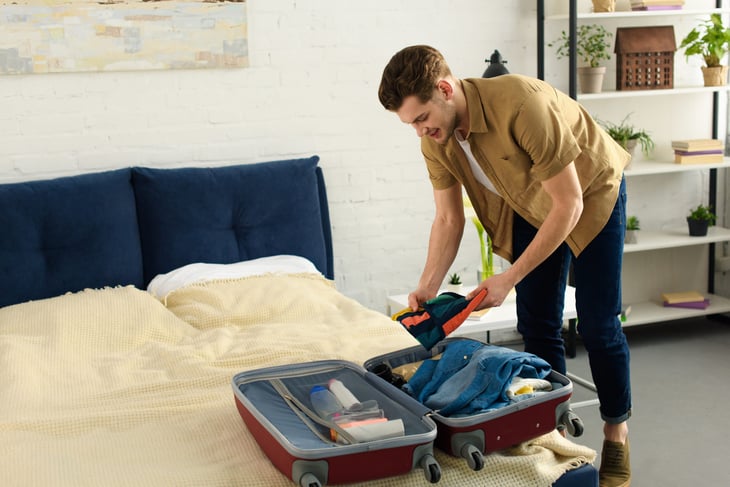
Having a compact travel emergency kit can save the day when you’re on the go. Pack a small first-aid kit with bandages, antiseptic wipes, and over-the-counter pain relief. Hand sanitizer, a reusable water bottle, and a waterproof poncho are also travel must-haves.
Add a portable water filter, a few high-energy snacks, and a travel map if you lose cell service. A small flashlight or headlamp can be invaluable when navigating the dark.
Consider including a power adapter, copies of important documents, and a backup credit card for international travel. Being prepared means fewer travel hiccups and more peace of mind.
Pro Tip: Don’t let unexpected mishaps ruin your trip. Travel insurance can safeguard your vacation investment and provide peace of mind. Here's a list of the top travel insurers to find the best coverage for your next adventure.
2. The Car Emergency Kit
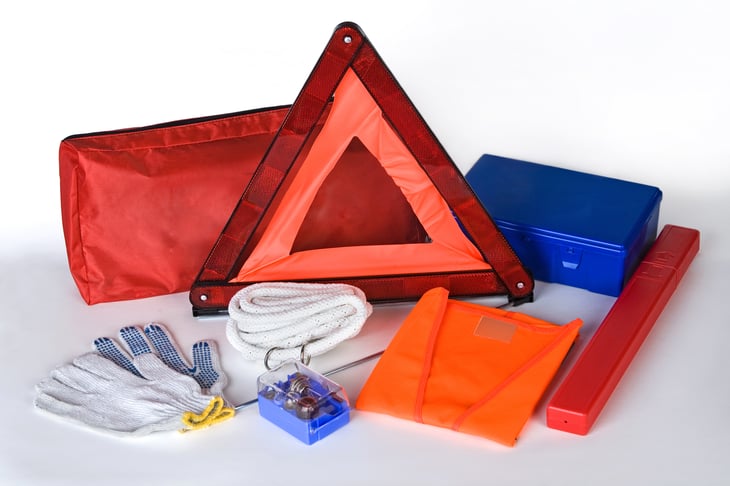
Your car isn’t just transportation; it can be your shelter or escape route in an emergency. A good car emergency kit should include jumper cables, a portable air compressor, and a tire repair kit to keep you mobile.
Also, pack a flashlight with extra batteries, reflective triangles, and a warm blanket to stay safe and visible if you’re stranded at night. Bottled water and non-perishable snacks are essential for long waits, and a multi-tool can be handy for quick repairs.
For winter driving, include items like a bag of sand for traction, an ice scraper, and hand warmers. A phone charger can enable you to call for help if needed.
3. The Home Emergency Kit

A well-stocked home emergency kit is your first line of defense in a crisis. Start with the basics: non-perishable food, water (one gallon per person daily), and a first-aid kit. Add flashlights, extra batteries, and candles for light when the power goes out.
Other essential items include a manual can opener, a whistle to signal for help, and a list of emergency contacts. Consider including basic tools, duct tape, and plastic sheeting for lengthy emergencies.
Pets are part of the family, too—don’t forget their needs! Pack extra food, water, and any necessary medications for them.
Pro Tip: Be prepared for the unexpected—without overpaying for protection. Compare quotes from top providers today to find the best home insurance rates and keep your family covered.
4. The Workplace Emergency Kit

Emergencies don’t always wait for you to be at home. A workplace emergency kit ensures you’re prepared even during office hours. Start with essentials like non-perishable snacks, bottled water, and a first-aid kit.
Add a flashlight, extra batteries, and a dust mask to handle power outages or air quality issues. A pair of comfortable walking shoes can be a lifesaver if you must evacuate on foot.
Don’t forget personal items like medications, a small blanket, and a compact emergency blanket. Having these on hand means you can focus on staying safe, even during the workday.
5. The Personal Emergency Kit

Your personal emergency kit should be small enough to carry but comprehensive enough to help in a pinch. Start with a mini first-aid kit, including bandages, antiseptic wipes, and pain relievers. Add a pocketknife, whistle, and small flashlight for basic needs.
Consider including a multi-tool for quick fixes, a laminated card with emergency contacts, and cash in small denominations. Items like a compact rain poncho and hand warmers can provide comfort in bad weather.
Having a personal emergency kit ensures you’re never caught off guard, whether running errands or exploring the great outdoors.
Pro Tip: Secure peace of mind for life’s uncertainties with top-rated personal loan options.
Preparedness Saves Lives
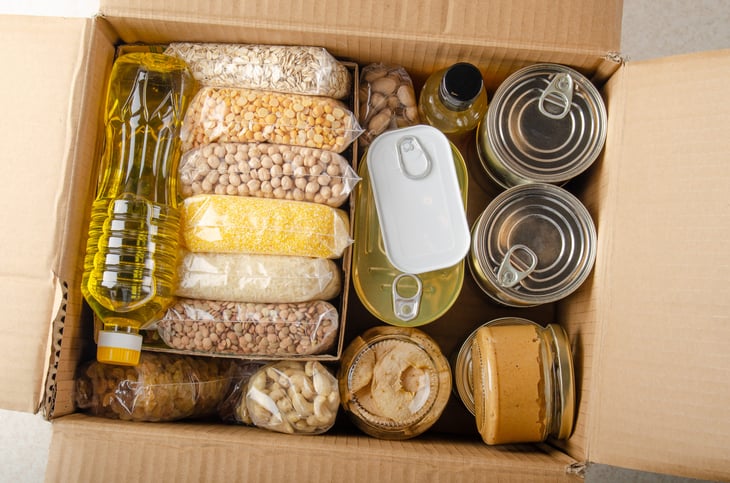
Emergencies are unpredictable, but being ready doesn’t have to be complicated. Beyond the five essential kits, think about your unique needs.
Families with babies might need a diaper bag kit stocked with formula, baby food, and wipes. Those with medical conditions should prepare a medical kit with extra prescriptions and backup devices. In disaster-prone areas, a kit with sturdy shoes, local maps, and extra supplies can be life-saving.
Start building your emergency kits today, and encourage others to do the same. A little planning now can make all the difference later. Stay safe and face the unexpected with confidence.

Add a Comment