



When seconds count, the wrong move in the emergency room could cost you more than time — it could cost your life. E.R. doctors have seen it all, and they’re sounding the alarm on the critical mistakes patients make far too often.
From delaying care to miscommunicating symptoms, these blunders can have serious, even deadly, consequences. Here are seven life-threatening errors you need to avoid the next time you — or a loved one — end up in the E.R.
Pro Tip: If you have a high-deductible health plan, you should have a Health Savings Account. Check out Lively HSAs.
1. Ignoring chest pain

Many people dismiss chest pain as heartburn or muscle strain, but E.R. doctors warn that any discomfort could signal something serious.
Heart attacks don’t always come with intense pain — symptoms like nausea, dizziness, or shortness of breath can also indicate cardiac distress. Waiting too long to seek care can be deadly.
If you experience persistent chest pain or any unusual symptoms, get medical attention immediately. Preventive screenings can help detect underlying issues before they become life-threatening.
Pro Tip: Don’t wait for symptoms to strike. Life Line Screening can help detect hidden heart risks early. Book a screening today for peace of mind.
2. Delaying treatment for a stroke

Time is critical when it comes to strokes. E.R. doctors stress that sudden confusion, weakness, or slurred speech should never be ignored. The faster a stroke is treated, the better the chances of recovery.
Use the FAST acronym — Face drooping, Arm weakness, Speech difficulty, Time to call 911. Acting quickly could mean the difference between recovery and lasting damage.
Cutting unnecessary expenses can reduce financial stress related to medical emergencies.
Pro Tip: Paying more than $15 a month for cell service? Stop that. Click here to save a bundle.
3. Mixing medications without checking for interactions

Many emergency visits result from dangerous drug interactions. Combining over-the-counter medications, supplements, and prescriptions without consulting a doctor can lead to severe complications, including internal bleeding or organ damage.
Always read labels, ask your pharmacist about interactions, and keep a list of medications to share with your healthcare provider. Managing medications carefully can help prevent a health crisis, but everyone reacts differently to treatments.
Another layer of protection is having a solid estate plan to avoid financial and legal complications for your loved ones. A living will ensures your wishes are clear, sparing your family from making difficult medical decisions on your behalf.
Pro Tip: Ensure your family’s future is secured with proper legal protection. Where there's a will, there's a way.
4. Ignoring signs of infection

Minor infections can turn deadly if left untreated. Symptoms like swelling, fever, or persistent redness around a wound could indicate a serious problem, such as sepsis. E.R. doctors urge people to seek care before an infection spreads.
Clean wounds properly, monitor for signs of worsening infection and don’t hesitate to visit a doctor if symptoms persist. Having the right healthcare coverage can make all the difference in getting timely and affordable treatment when you need it most.
Pro Tip: Make sure your Medicare coverage includes the care you need. Compare plans today to maximize your benefits and save money.
5. Underestimating the danger of falls
Falls are a leading cause of injury-related E.R. visits, especially for older adults. A simple slip can result in broken bones, head trauma, or long-term mobility issues. Many falls occur due to poor lighting, loose rugs, or balance problems.
Make your home safer by installing grab bars, securing rugs, and keeping pathways clear to prevent accidents before they happen.
Fall-proofing your home helps prevent injuries, but protecting your loved ones financially is just as important. The right life insurance ensures they won’t face financial hardship if the unexpected happens.
Pro Tip: Ensure your family’s financial security with the right life insurance coverage. Here's a place to get a free, no-obligation quote.
6. Driving yourself to the hospital in an emergency
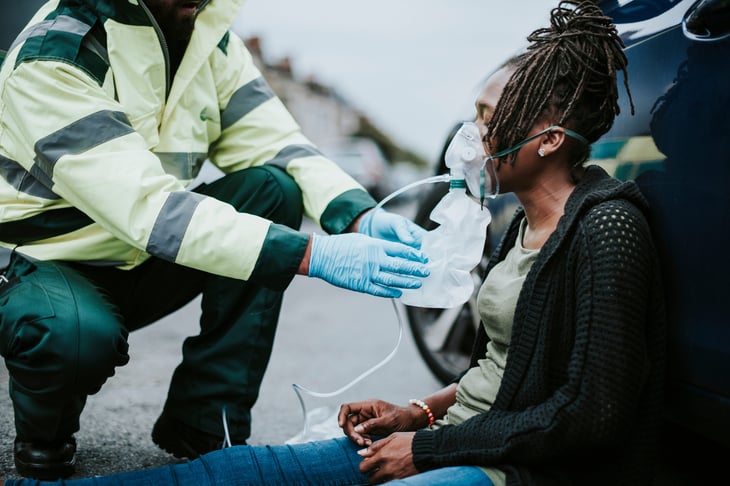
When experiencing a medical crisis like a heart attack or stroke, some people attempt to drive themselves to the hospital, putting both their lives and others at risk. E.R. doctors warn that losing consciousness behind the wheel can lead to serious accidents.
Instead, call 911 and wait for paramedics, who can provide life-saving care en route to the hospital.
Driving during a medical emergency not only endangers lives but also jeopardizes your financial future, potentially leading to higher car insurance rates or even severe legal and financial consequences.
Pro Tip: Compare cheaper car insurance rates and see if you’re overpaying — you could save up to $600 per year. Car insurance shopping site.
7. Ignoring dehydration and heat exhaustion

Heat exhaustion and dehydration can escalate quickly, especially for older adults. Symptoms include dizziness, confusion, and rapid heartbeat. E.R. doctors often treat cases where people ignored early signs, leading to dangerous complications.
Without proper hydration, even mild symptoms can rapidly progress to life-threatening conditions like heat stroke or organ failure. Medical emergencies can be unpredictable and costly, making it essential to plan ahead for unexpected healthcare expenses.
Stay hydrated, limit outdoor activity during peak heat, and watch for symptoms of heat stroke, which could strike anytime or anywhere.
Pro Tip: A Health Savings Account can help you prepare for unexpected medical costs. If you have a high-deductible health plan, check out Lively HSAs to start saving today.
Better choices, better health

Avoiding these dangerous mistakes can keep you safe and out of the emergency room. Whether it’s recognizing symptoms early, preventing falls, or being cautious with medications, small changes can make a big difference in your well-being.
If you have hearing issues, make sure you’re equipped to hear any distress calls from your loved ones—missing an important warning could put both your safety and theirs at risk.
Taking proactive steps today can help you stay healthier and avoid unnecessary medical emergencies.
Pro Tip: Struggling to hear important conversations or emergency alerts? The FDA now allows people with hearing loss to buy top hearing aids for clearer, hassle-free sound.

Add a Comment