


Apple’s plans for expanded investment in the U.S. could shake up multiple industries, driving growth in some areas while disrupting others.
Increased domestic production, supply chain shifts, and job creation could all play a role in reshaping various sectors of the economy.
Here’s how five industries may feel the impact of this major shift.
Pro Tip: Protect your portfolio from economic uncertainty. Diversify with assets by opening a gold IRA, a proven hedge against market downturns.
1. Manufacturing shift
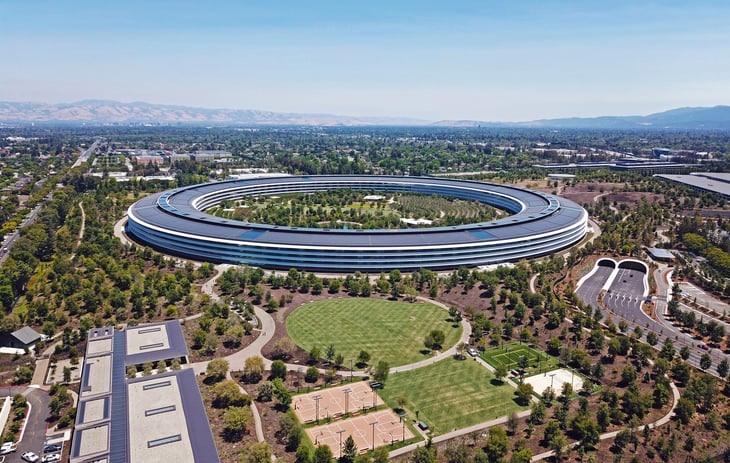
Apple’s focus on domestic investments could revitalize the manufacturing sector, but the impact won’t be immediate. Expanding U.S. production requires time for infrastructure development, regulatory approvals, and supply chain adjustments.
While long-term benefits may include job creation and cutting-edge manufacturing capabilities, higher wages and operational costs could challenge Apple’s ability to keep prices competitive globally. Consumers and investors alike will have to wait and see how these shifts unfold.
Pro Tip: Major corporate investments take time to materialize. If you’re looking for a way to earn extra income now, this company's members earn $55,000 daily by taking surveys in their free time.
2. Advancements in technology

The technology sector stands to benefit from Apple’s domestic investments through increased research and development, accelerating technological advancements and positioning the U.S. as an innovation leader.
However, these domestic-focused initiatives might limit global collaboration, potentially stifling diverse perspectives and slowing innovation in markets outside the U.S.
Pro Tip: Look beyond the tech industry to secure your financial future. One modern way to diversify is with real estate and venture capital. Companies like Fundrise, offer investments as small as $10.
3. Retail sector evolution

Apple’s investments could fuel retail expansion through new store openings and enhanced customer engagement strategies. A stronger retail presence may create jobs and set new standards for in-store experiences, pushing competitors to innovate.
While this could drive sector-wide improvements, it may also intensify competition. Smaller retailers might struggle to keep pace, facing pressure to upgrade their offerings despite limited resources.
Pro Tip: Waiting for investments to pay off takes time. If you need cash now for debt relief or a major expense, explore financial solutions here—tailored to fit your needs.
4. Real estate implications
Apple’s investment in workforce expansion can impact the real estate sector by generating demand for office spaces and residential areas, potentially contributing to urban redevelopment and increased property values, which promote community growth.
However, this surge in demand might also drive up costs, making it challenging for local residents and businesses to afford property in those areas. This could potentially lead to gentrification and socioeconomic disparities.
Pro Tip: One modern way to diversify is with real estate and venture capital. Companies like Fundrise, offer investments as small as $10.
5. Supply chain dynamics

Apple’s shift toward U.S. suppliers could strengthen domestic supply chains, improving efficiency and resilience in its operations. This move may benefit logistics and transportation industries while fostering a more sustainable manufacturing ecosystem.
However, relying more on domestic suppliers could limit Apple’s access to cost-effective global resources, potentially increasing production expenses. Higher costs could eventually trickle down to consumers, affecting product pricing and affordability—especially for essential repairs and upgrades.
Pro Tip: Just like supply chain disruptions can drive up costs, unexpected car repairs can hit your wallet hard. Stay ahead with an extended car warranty and avoid surprise expenses.
Future economic shifts from Apple’s investment

Apple’s increased U.S. investments bring changes across multiple sectors, illustrating how multinational companies can affect local economies.
These actions, by fostering technological innovation, supporting infrastructure growth, and generating employment, highlight the potential for strategic investment to produce long-term economic effects.
However, such investments might also increase competition for local businesses, stretching resources and necessitating adaptations that could challenge existing market players.
Pro Tip: Protect your assets. If you’ve got at least $100,000 in investments, check out a free service called SmartAsset. You fill out a short questionnaire and instantly get matched with up to three vetted financial advisors in your area.

Add a Comment