


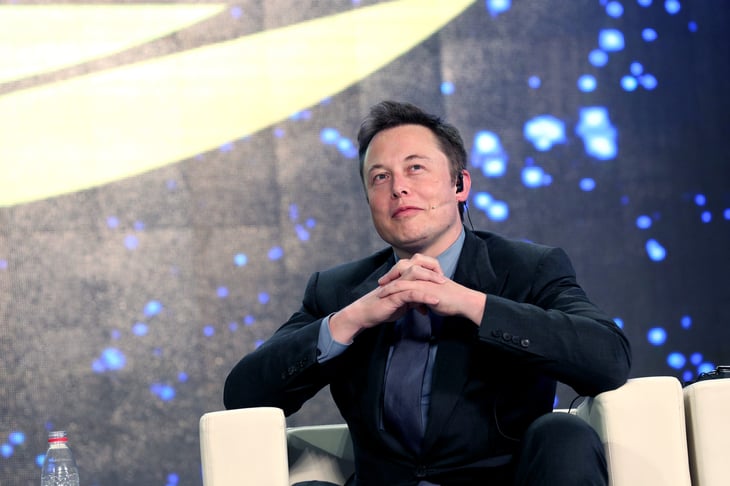
Elon Musk’s technology is not just transforming space travel, electric vehicles, and artificial intelligence; it’s also reshaping humanitarian aid and disaster relief efforts worldwide.
From delivering high-speed internet to remote regions to optimizing emergency logistics, Musk’s innovations are changing how global organizations provide aid in crisis situations.
As climate disasters, conflicts, and humanitarian crises continue to escalate, technology-driven solutions are more crucial than ever. However, Musk’s support for dismantling agencies like USAID has raised concerns about balancing private innovation and public aid.
Building personal financial resilience is equally vital. High-yield accounts, such as SoFi Checking, offer 3.8% interest and up to a $300 signup bonus, ensuring your emergency funds grow while remaining accessible.
1. Tesla battery storage powers emergency relief efforts
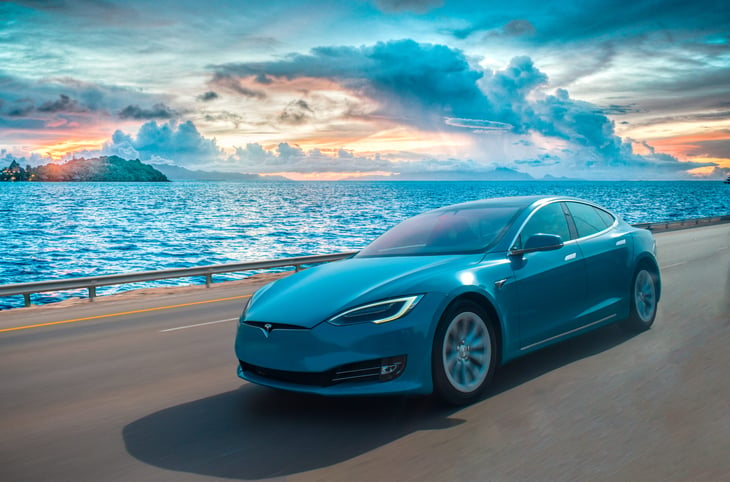
When disasters strike, access to reliable power sources can mean the difference between life and death. Tesla’s solar panels and Powerwall battery storage systems are being used to keep emergency response centers, hospitals, and refugee camps powered even when traditional grids fail.
These sustainable energy solutions reduce reliance on diesel generators, which can be expensive and difficult to transport to crisis zones. As a result, relief organizations can focus on delivering aid more efficiently while reducing their carbon footprint.
However, some critics argue that Musk’s broader strategy, including his support for reducing U.S. foreign aid, could limit the overall impact of these innovations if they are not balanced with traditional humanitarian support systems.
In an emergency, staying financially prepared is just as important as staying connected. Make the most of your savings with 3.8% interest and a potential $300 signup bonus with SoFi Checking. Secure your financial future while keeping your money easily accessible. (Offer may change without notice.)
2. Starlink delivers internet access to crisis zones
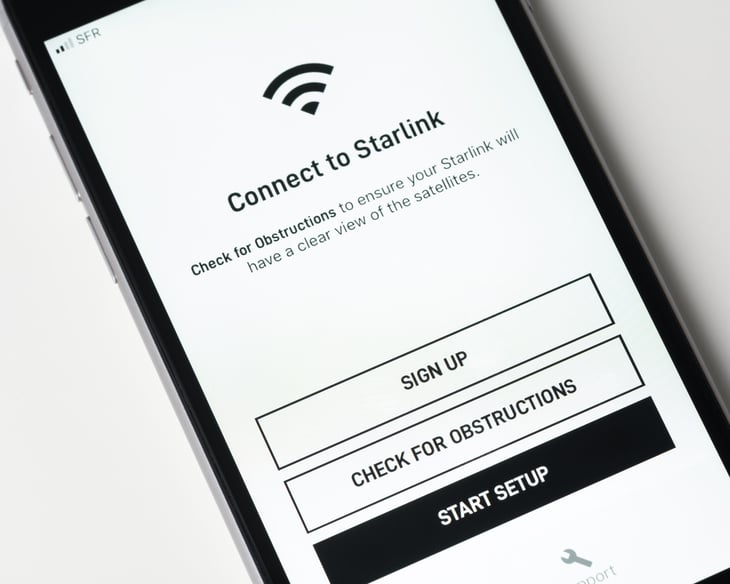
One of the biggest challenges in humanitarian aid is getting reliable communication networks up and running in disaster-stricken areas. Musk’s Starlink satellite network provides high-speed internet in regions where traditional infrastructure is damaged or nonexistent.
Starlink was crucial in keeping emergency responders and civilians connected during the Russia-Ukraine conflict. It has also been deployed in natural disaster zones, such as after hurricanes and earthquakes, allowing relief teams to coordinate more effectively.
Staying connected shouldn’t mean overpaying. If you spend more than $15 a month on your cell service, it’s time to switch. Click here to save a bundle and start saving today!
3. AI and automation streamline supply chains

Delivering food, medicine, and emergency supplies to affected populations requires precise logistics and coordination. Musk’s companies, especially Tesla and X (formerly Twitter), are leading the way in AI-driven logistics that optimize supply chain efficiency for humanitarian missions.
AI-powered algorithms can predict where aid is needed most, reducing delays and ensuring life-saving resources reach the right locations faster. These automation tools help relief organizations cut costs, prevent waste, and respond to crises more effectively.
Optimizing logistics saves lives, and optimizing your budget saves money. Use a car insurance shopping site to compare rates and find cheaper coverage. You could save up to $600 per year!
4. SpaceX supports disaster monitoring and response
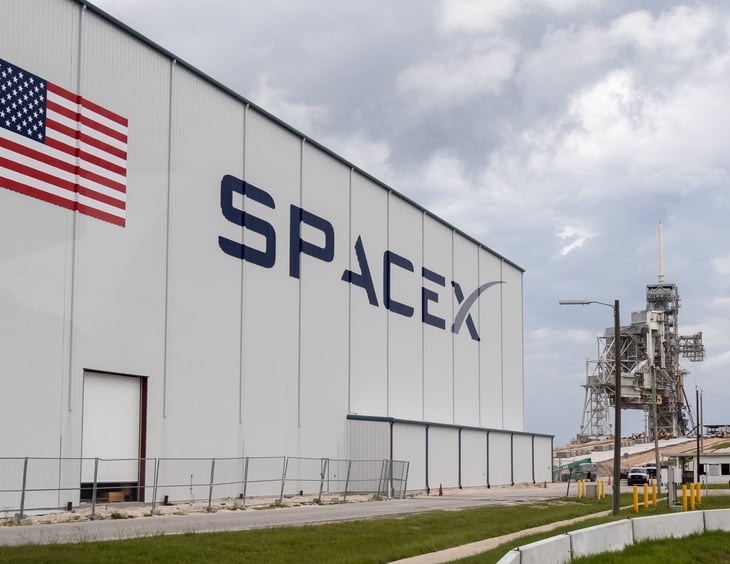
SpaceX’s advancements in satellite technology and space exploration are contributing to better disaster preparedness and response. Satellites launched by SpaceX provide real-time data on wildfires, floods, and hurricanes, allowing emergency teams to track weather patterns, assess damage, and coordinate relief efforts.
In the aftermath of disasters, these satellite images help governments and NGOs quickly identify affected areas, making it easier to allocate resources where they are needed most.
Yet, Musk’s advocacy for cutting government funding to services like Voice of America, which provides critical information during crises, complicates the picture. Critics argue that such cuts could undermine the effectiveness of even the most advanced private technologies.
Just as SpaceX’s satellites provide early warnings to mitigate large-scale disasters, proactive health screenings can detect personal health risks before they escalate. Life Line Screening reveals hidden risks so you can act early. Book a screening today and have peace of mind.
5. X (formerly Twitter) accelerates crisis communication

Social media plays a critical role in emergency response, and Musk’s ownership of X (formerly Twitter) has reshaped how information spreads during crises.
Humanitarian organizations rely on real-time updates from X to coordinate evacuations, raise donations, and share urgent alerts.
However, critics argue that Musk’s aggressive cost-cutting measures at X and reduced content moderation could undermine the platform’s reliability in future emergencies. These changes raise concerns about misinformation and reduced access to accurate, life-saving information when it matters most.
Reliable communication is essential in a crisis, but that doesn’t mean you should overpay for it. If your cell service is costing more than $15 a month, it might be time to find a better deal. Click here to save a bundle and keep your phone bill under control.
6. Neuralink and medical tech innovations
Musk’s Neuralink and AI-powered healthcare solutions could revolutionize medical aid in war zones and remote regions.
In the future, brain-computer interfaces may help disabled individuals regain mobility, while AI-powered diagnostics could bring advanced medical care to underserved areas.
While Neuralink’s humanitarian applications are still in development, the potential for faster, more accessible healthcare solutions could be life-changing for millions.
Don’t wait until it’s too late, early detection can make all the difference. Life Line Screening helps you uncover hidden health risks before they become serious. Book a screening today and take control of your health with peace of mind.
7. Boring Company tunnels could aid disaster relief
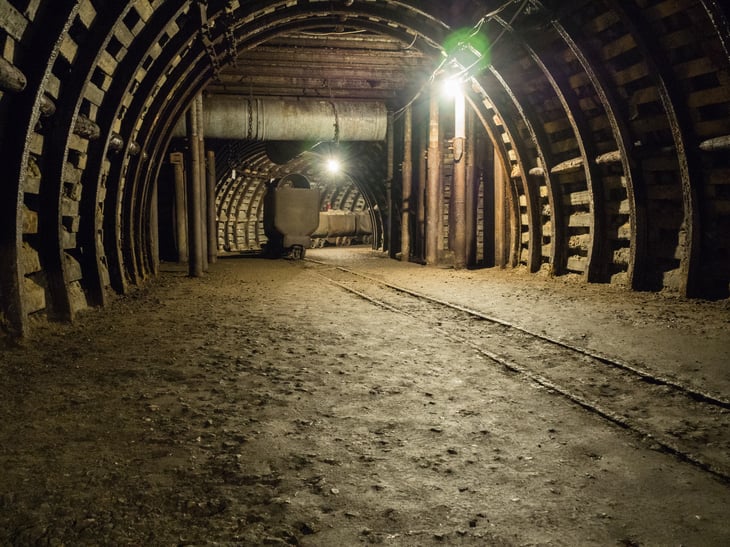
Infrastructure destruction is one of the biggest barriers to effective disaster response. Musk’s Boring Company, known for its tunneling and underground transport projects, could play a role in creating emergency evacuation routes and supply transport tunnels in disaster-prone areas.
By providing alternative transport methods in cities affected by earthquakes, floods, or conflict, this technology could improve evacuation efforts and emergency supply distribution, reducing chaos during crisis situations. These tunnels might also help first responders bypass debris and damaged infrastructure, allowing for faster, more efficient rescue missions.
However, some argue that investing in more widely available, low-cost solutions could have a greater immediate impact on disaster preparedness.
Building strong infrastructure is essential for surviving a crisis, but having the right financial foundation is critical for long-term stability. If you have over $100,000 in investments, it might be time to talk to a professional financial advisor. WiserAdvisor can connect you with a vetted expert who can help you make the most of your wealth.
Technology is driving the future of humanitarian aid

From satellites that keep communication lines open to tunnels that could speed up evacuations, Musk’s companies are pushing the boundaries of what’s possible in disaster response.
While these technologies offer significant potential, they also raise critical questions about the role of private innovation in public emergencies.
Balancing profit motives with public safety will be crucial as these systems become more integrated into global relief efforts. Ultimately, a strong, resilient future depends on investments not just in technology, but in the financial and social infrastructure that supports it.
Just as staying prepared for emergencies is essential, building financial resilience is critical for weathering economic uncertainty. Gold has historically been a reliable investment for protecting your savings. Open a gold IRA to help shield your savings from inflation, market swings, and economic uncertainty.

Add a Comment