


Editor's Note: This story originally appeared on The Penny Hoarder.
Backyard gardens are sprouting up all over the country.
Many people are worried about the price of groceries, which has led to lots of them digging in and learning about growing their own food.
Potting soil is a hot commodity at home improvement stores, and the term “victory garden” is becoming more common today, just as it was during World War II when people were encouraged to plant gardens in private and public spaces not only to supplement their rations but also to boost morale.
“There was already a modern resurgence of the back-to-the-land movement, and it’s increasing, especially now,” said Danny Green, who runs Woodcrest Farm in Hillsborough, North Carolina, with his parents.
Advice for Aspiring Vegetable Growers

Green said families can get their own victory garden started without a lot of space. “You don’t need to do a ton to grow some high-quality food,” he said.
Green should know. He and his wife moved from Brooklyn, New York, where he worked in theater production with the Blue Man Group, to his family’s farm several years ago.
He’d never been a farmer, but now he raises cattle, hogs and poultry, and he grows enough food in a 1-acre garden to supply a Community Supported Agriculture co-operative.
He has one primary piece of advice for aspiring vegetable growers. “Grow the foods you like to eat that are possible to grow for this time of year and where you live,” he said.
Tomatoes are some of the easiest vegetables to grow, Green said. “If you like tomatoes, that’s a good one to start with. Anyone can grow tomatoes just about anywhere, and they are much better than what you buy in the grocery store.”
Expert Tips for Starting a Productive Victory Garden
Robin Clemmons planted her first food garden 15 years ago as a teacher to show preschoolers how seeds grow.
Now she’s the Volunteer Gardener in Residence at Daystar Life Center, where she and a small group of other volunteers harvest 30 pounds of produce each week that is distributed to area residents by the center’s food pantry. The garden has 650 square feet of raised beds.
When starting your garden, Clemmons said to be aware that you can plant seeds from some foods, such as peppers, that you buy at a grocery store or a farm stand. However, she said those seeds won’t be as certain to produce fruit and veggies as new seeds from a packet.
In addition, vegetables take different amounts of time to grow, and they grow at different times of the year depending on the geography and climate. You will need to do some research to determine your growing zone and how that zone affects what you can grow — and when. Some vegetables grow really fast, which is great when you’re gardening with kids (or even if you’re just impatient).
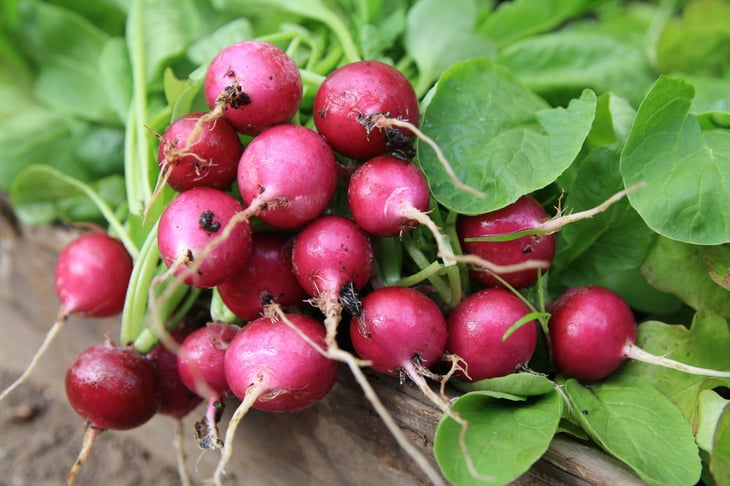
“If you have kids or even if you want to see progress fast, grow radishes. You can see those in 20 days,” Clemmons said. “Beans grow really fast, about an inch or so a week. That’s why they called it ‘Jack and the Beanstalk,’ not ‘Jack and the Pepperstalk.'”
She offered these tips for starting your own victory garden.
Planning Your Victory Garden
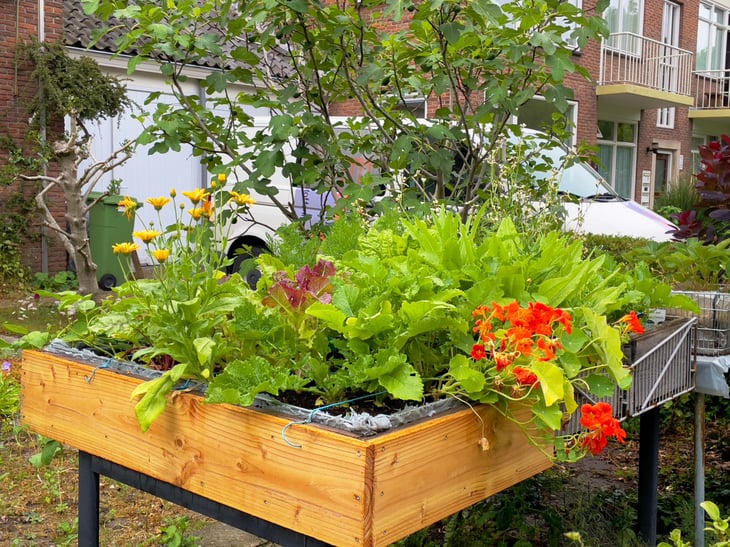
1. Your garden can be as small as 6 feet by 1 foot with six vegetables planted in a row, 1 foot apart. However, a good size is 10 feet by 3 feet.
2. Most vegetables grow best with eight hours of direct sun daily.
3. Some of the easiest plants to grow are okra, peppers and tomatoes.
4. Some of the fastest vegetables to grow are cucumbers, squash, radishes and beans.
5. Plants that grow well in hot months throughout the country include beans, cucumbers, eggplant, melons, peppers, summer squash and tomatoes. (Check out the Urban Farmer site for a guide to what to plant each month based on your location.)

Preparing Your Soil
6. It takes about three weeks to prepare your soil, so take that into consideration when planning your gardening calendar. (For most of the United States, that means planting in late May.)
7. Mark your garden plot, then cover it with black plastic (like a garbage bag) to solarize the soil. This will kill the weeds, grass and everything else growing underneath without having to use chemicals.
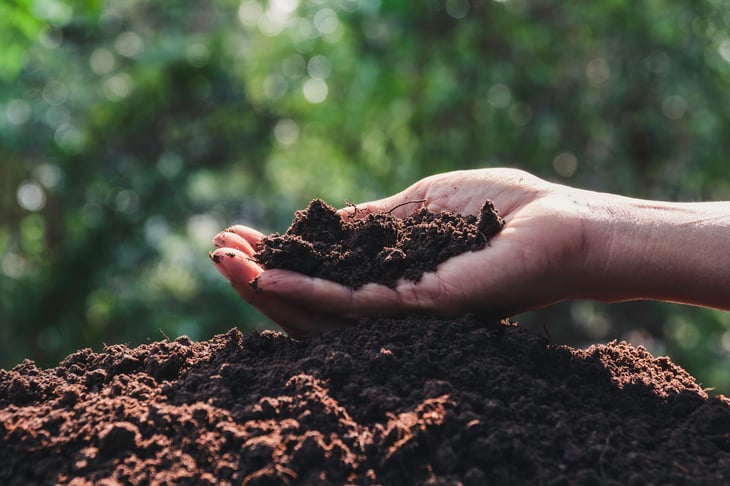
8. After three weeks, till your soil and spread a layer of manure mixed with compost about half a foot deep across the whole garden.
Planting Your Seeds
9. Get the seeds you want for your garden. Seed packets cost $1 to $3 and are available online and at stores offering curbside pickup.
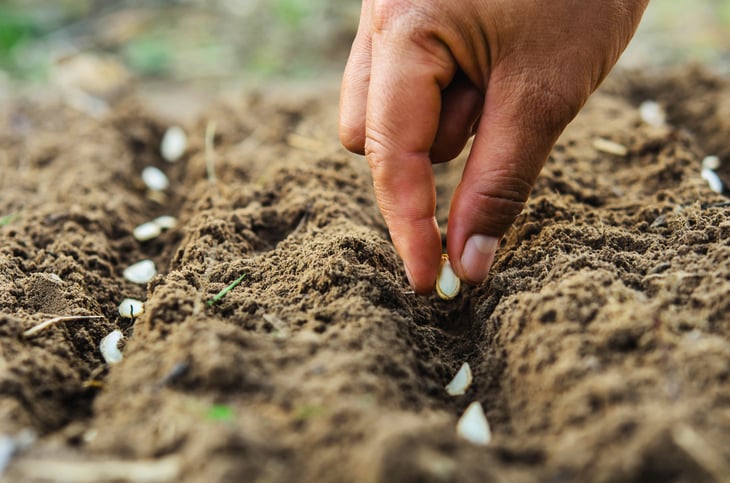
10. Dig holes and fill them with a bit of topsoil and your seeds or seedlings. The directions on the seed packets about how deep to plant the seeds and how to space them out matter a great deal, so pay close attention.
11. Plant several seeds to get one plant, because not all of them will produce. You will need to thin these out later.
12. If you have a small space, grow some of your food vertically. Peppers grow up a stake about 3 feet tall, so tie the stalk to it as it grows. Cucumbers need to twist around a tripod or criss-cross trellis. The vine will find its own way and attach as it grows. In a larger garden, cucumber plants can grow across the ground.
How to Get Help When You Get Stuck
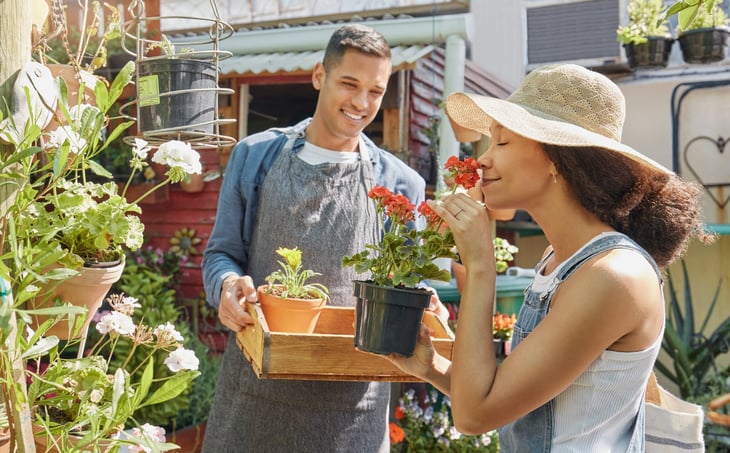
If you have questions you can’t figure out, call in reinforcements! Almost every county in America has an agricultural extension website with many tips and resources. Some have apps to guide you along the way.
Both Clemmons and Green said extension offices are a very useful resource for new gardeners.
Green also suggested asking neighboring gardeners which garden centers offer the best selections and guidance. In addition, most communities have gardening-related Facebook groups available for help.
How to Build a Raised Bed for Your Victory Garden
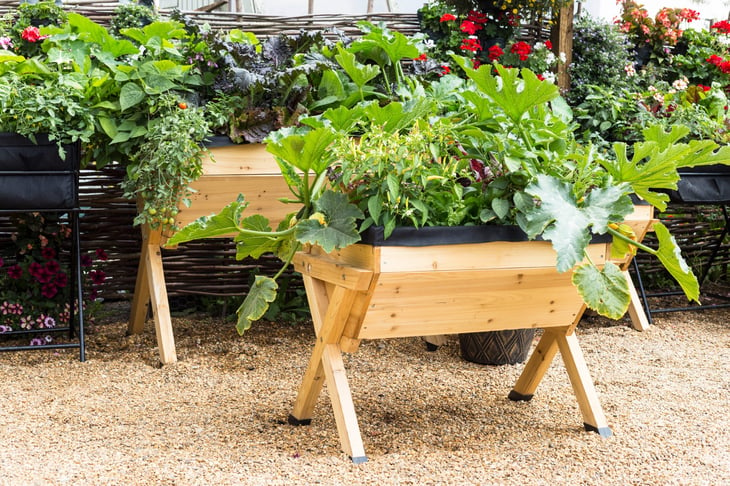
“The quickest way to start a garden is with raised beds,” Green said. “If your yard has no soil or if you have no yard at all, you can still do raised beds.”
He shared these instructions for building a simple raised bed.
- Clear a 4-foot-by-8-foot section of grass and weeds, then dig up and till the dirt.
- Take four boards that are 6 inches wide and make a 4-foot-by-8-foot box by nailing them together at the corners.
- Again, anything that will hold the soil will work, such as the biggest plastic tub you can find at a garden center or a large plastic laundry tub. Just cut out the bottom.
- Add potting soil and compost, then plant your seeds.
- If you plant seedlings, you get a month or more head start on the growth process.

Add a Comment