



Many groceries past their expiration date are still perfectly safe to eat. Instead of tossing them out, you can reduce waste and save money by using these foods that remain good for consumption long after their marked shelf life.
Certain items, like grains, canned goods, and dairy, can last much longer than expected. By knowing which foods can still be enjoyed, you can stretch your budget while minimizing unnecessary waste.
Pro Tip: Save and cut costs on dining, travel, eyewear, and prescriptions with AARP for just $15/year with auto-renewal. Join now and save hundreds.
1. Bread

Store-bought bread can last a few days past its expiration date, especially if kept in the refrigerator. If it starts to harden, you can revive it by toasting it or making croutons.
The key warning sign to watch for is mold—if you see any, it’s best to discard the entire loaf, as mold spores can spread beyond what’s visible.
Pro Tip: As you carefully monitor your bread’s freshness, it’s important to manage your finances with professional guidance. Consider consulting a financial advisor if you have over $150,000 in savings. Zoe Financial offers a free service to connect you with a local pro.
2. Hard cheeses
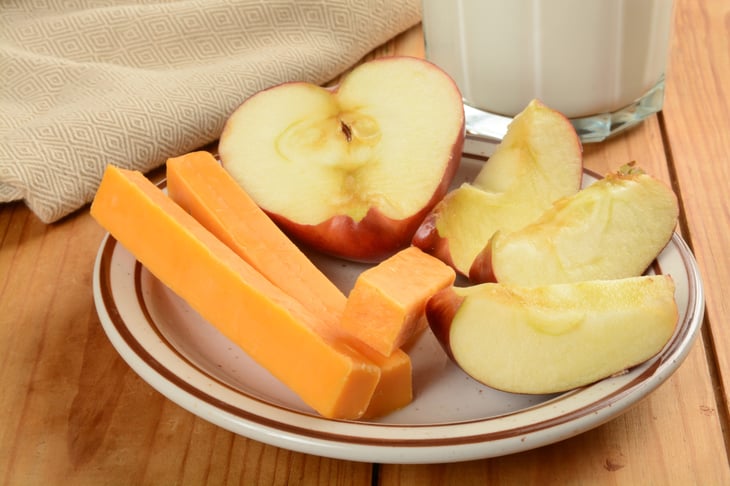
Unlike soft cheeses, hard cheeses like cheddar, parmesan, and gouda can last beyond their expiration date.
You don’t need to be a fromager to keep them safe—if mold appears, cut off the affected area and enjoy the rest. Since these cheeses have low moisture content, they’re more spoilage-resistant than softer varieties.
Pro Tip: Don’t just be selective with your cheese stash—apply the same savvy approach to your finances. If you’ve got at least $100,000 in investments, consider using SmartAsset, a free service that connects you with up to three vetted financial advisors in your area.
3. Dry pasta and rice
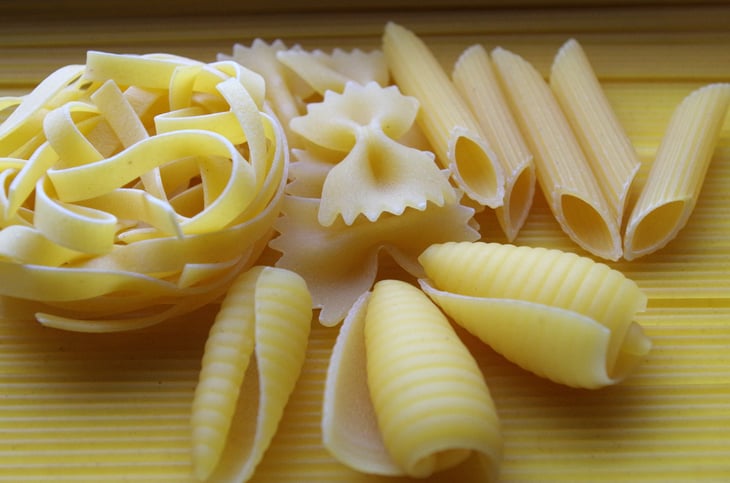
Pasta and rice don’t technically expire—they may lose some quality over time, but they remain safe to eat for years if stored properly. Keeping them in airtight containers protects against moisture and pests, ensuring they’re ready when needed.
Like a well-stocked pantry, thoughtful financial planning is all about preparation. Just as dry goods often retain their value long after expiration dates, investing early allows your money to grow for years to come. Even if you feel behind, starting now can make a huge difference in your financial future.
Pro Tip: Don’t let time slip away when it comes to retirement. Begin now with matched contributions to maximize growth! Sign up for a SoFi IRA to harness the power of compounding interest and secure a comfortable future. The sooner you start, the more you’ll earn. Get started today.
4. Eggs
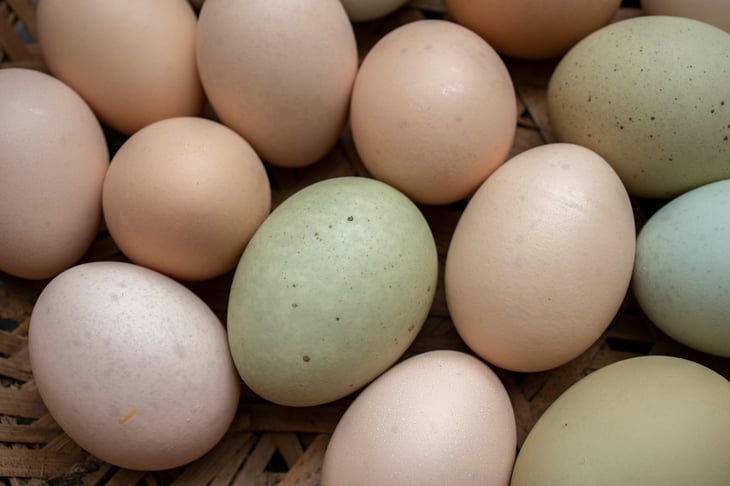
If your eggs have passed the expiration date, don’t toss them just yet. If they’ve been properly refrigerated, they can stay safe for weeks beyond the printed date.
A simple way to check freshness is the float test—place an egg in a glass of water. If it sinks, it’s fresh; if it stands up or floats, discard it.
By being mindful of food freshness and reducing waste, you can focus more on building up your savings for unexpected expenses.
Pro Tip: Earn as much as possible on your emergency savings. For example, SoFi Checking is offering 3.8% interest, plus a potential $300 signup bonus. (May change without notice.)
5. Yogurt
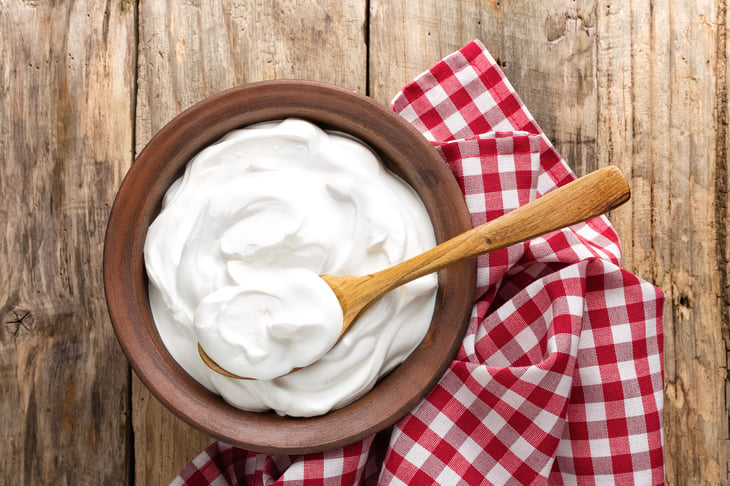
Yogurt often lasts well past its expiration date, especially if it’s been sealed and refrigerated. The key is to check for signs of spoilage, such as mold, off-smells, or curdling.
Even if the texture changes slightly, stirring it well can often make it perfectly fine to eat.
By regularly checking your perishable items can help prevent waste and ensure your health is safe.
Pro Tip: Be proactive. Life Line Screening can uncover hidden health risks early. Book a screening today and have peace of mind.
6. Canned goods

Canned foods are designed to last for years beyond the printed date as long as the can isn’t damaged or bulging. Stocking up on shelf-stable foods can be a smart way to stretch your grocery budget and prepare for unexpected expenses.
High-acid foods like tomatoes or fruit may degrade in quality faster than low-acid foods like beans or soups, but they often remain safe to eat. Before consuming, always check for signs of spoilage, such as a swollen can, rust, or foul smell.
Having a well-stocked pantry can provide financial flexibility by reducing grocery costs and ensuring you have essentials on hand to make a simple meal in a hurry.
Pro Tip: Financial flexibility goes beyond smart grocery shopping. A home equity loan offers a quick way to access cash when you need it. Take a minute to see how much you can get, how fast you can get it and how little you'll pay.
Considering expiration dates

Understanding which expired foods are still safe can help reduce waste and stretch your budget. Using your senses to check freshness, storing items properly, and making small adjustments can extend the life of your groceries—keeping more money in your pocket.
Maximizing what you have is a smart financial habit, whether food or money. Just as you can make the most of your pantry with the right strategies, having access to the right financial resources can help you manage unexpected expenses and stay on track.
Pro Tip: Need cash, debt relief, or help funding a major expense? Find the best options tailored to your needs—fast, easy, and secure. Explore financial solutions here.

Add a Comment