



Your partner thawed a pork loin for dinner. But right before they start cooking, a fisherman friend drops off a freshly caught flounder.
On Sunday night, you take a batch-cooked lasagna out to thaw for later in the week. By Tuesday morning, half the household is sick with the same bug. They can barely keep Gatorade down, so there’s no way a rich, layered pasta dish is going to be eaten that week.
Maybe your college roomie calls to say they’re in town and want to take you out to eat. Perhaps you thawed a chicken for supper but wound up working late that day, then remembered there’s a PTA meeting the following night — will the chicken still be safe to cook after several days in the fridge?
Life happens. Waste shouldn’t — especially since, depending on the food, you might be able to just pop it back on ice.
Freezing affects foods because ice crystals damage their cells, according to The New York Times. “Food also loses moisture during thawing, which can result in, say, a chicken breast losing some of its juiciness,” writes author Kristen Miglore.
However, twice-frozen meats can still “bounce back nicely” due to the resilience of their protein fibers. Animal fat also slows the formation of those ice crystals.
Note: There is a limit to this sort of thing. A repeated freeze/thaw cycle will likely affect the food quality in some way. But if you’re not a picky eater (and who can afford to be, these days?) then at least consider the tips below that I have used in my own kitchen.
1. Meat/poultry
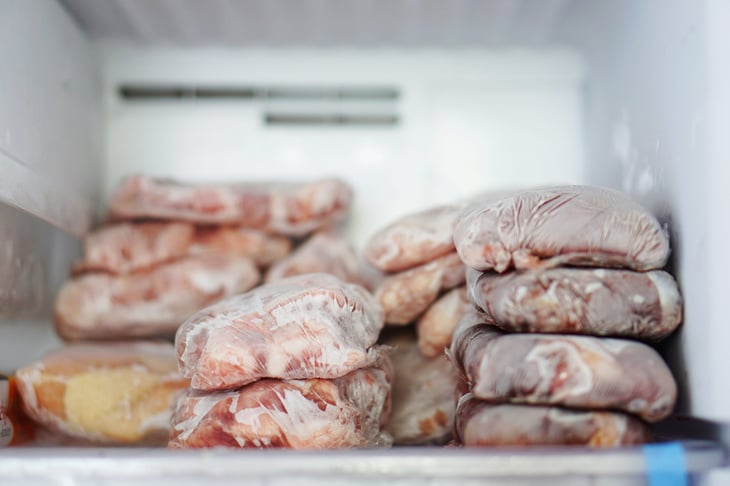
We haunt the “manager’s special” section at the supermarket and regularly luck into large cuts of meat that are close-dated and therefore deeply discounted. We’re talking 5-pound organic chickens, 4-pound pork loins and such.
Cooked immediately to prevent spoilage, they produce a lot of meat. My partner routinely freezes at least half of those cooked pork loins or roasts and chops and freezes leftover chicken in 2-cup portions for future pot pies, stroganoffs or curries.
Are we prepared? Yes. Are we sometimes guilty of thawing meat (cooked or raw) but running out of gas before it can be prepared? Also yes. The meats go back into the freezer for another day.
Once again, these are ingredients for future dishes, rather than the focal points of meals. Thus I can’t promise there wouldn’t eventually be difference in flavor or texture (or, heaven forbid, freezer burn). But the other ingredients will disguise any meh-ness.
With the price of animal protein skyrocketing, who can afford to throw any of it away?
2. Pasta dishes
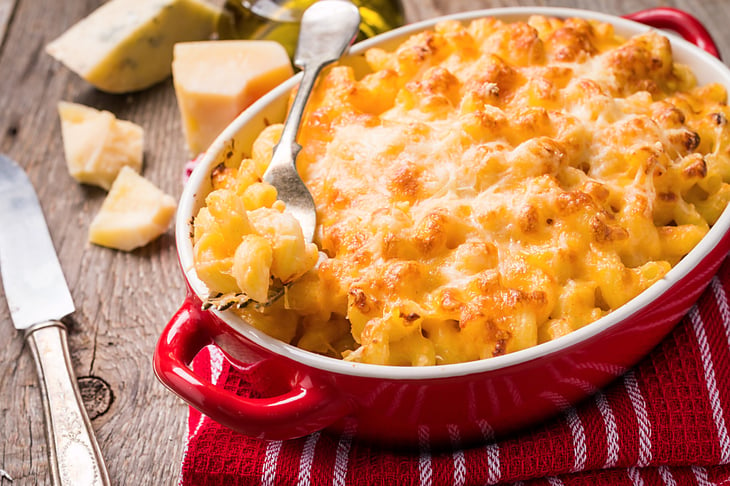
Some people say freezing pasta makes it inedible. I say it depends on two things:
- How long it’s been frozen, and
- How picky you are
I have successfully thawed and refrozen spaghetti, tuna-noodle casserole and lasagna. Depending on how long the pasta was in the freezer, you might not notice any flavor difference once it’s thawed.
Or maybe you will. But if you’re really hungry, who cares? You worked hard for the money to buy that food, so don’t throw it away. Instead, sprinkle on some extra garlic and/or Italian seasoning, serve with a side of cheese and be glad you don’t have to cook tonight.
3. Enchilada sauce
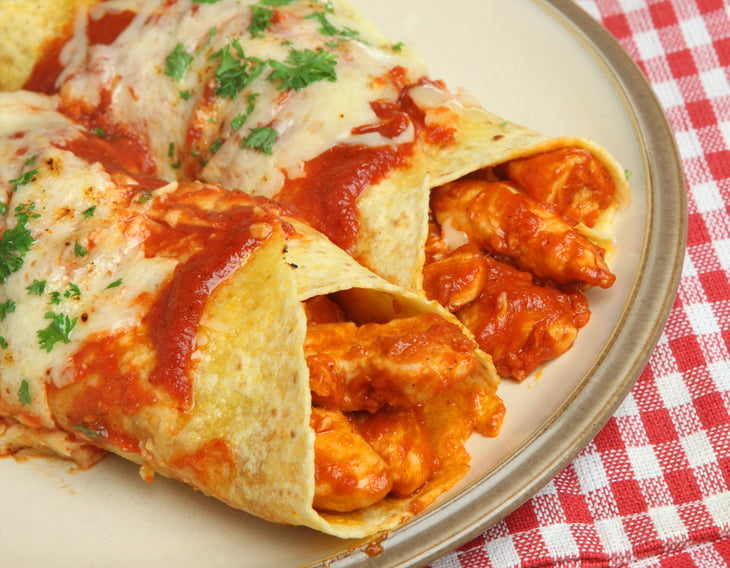
This Mexican cooking staple costs a fortune in local stores. Fortunately, the Budget Bytes website offers a bonehead-simple recipe for the tangy red sauce. It costs well under a dollar and, yes, it freezes well.
Unfortunately, I don’t always follow through on my plan to make that tasty chicken, quinoa and black bean enchilada casserole. No problem: Just put it back in the freezer and wait until I’m more organized.
Seriously: You can save a lot by making red or green enchilada sauce yourself. You can also control the amount of sodium you want in the finished product.
Learn about other budget-busting foods you can make for pennies at “10 Super-Simple Food Staples You Can Easily Make for Cheap.”
4. Soups and stews

Partner and I cook these items in big pots, and there’s just the two of us. Anything that isn’t finished up within a few days goes into the freezer.
If a thawed soup or stew doesn’t get eaten fast enough, then we put it back on ice. As the Times pointed out, such items “don’t have much textural variation to lose.”
At times the flavor does seem a bit tired after the second thawing. When that happens, we just tack on some new taste: herbs, spices, a splash of balsamic vinegar, or a spoonful of sour cream or yogurt.

5. Flour
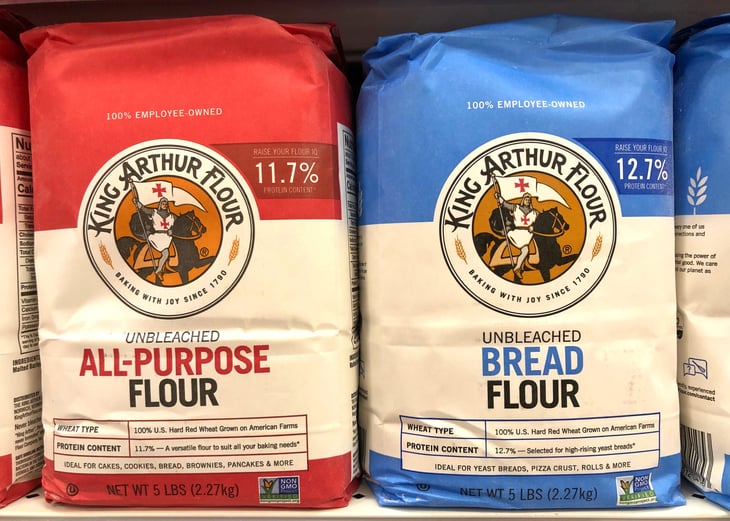
I leave a bag of flour in the freezer at my daughter’s Arizona home. When I visit, I use the flour for sauces, pancakes and baked goods. The same bag of flour has been in and out of the freezer for a couple of years, and it still works just fine.
Frozen flour lasts longest when stored in an airtight container or tightly sealed plastic bag, according to RealSimple.com. Bonus prepper points if you store it in a Mylar bag with oxygen absorbers or use a vacuum-sealing system, both of which give frozen flour “an indefinite shelf life.”
Freezing is a particularly good way to keep specialty flours (whole wheat, almond, etc.) fresh since these types tend to spoil faster than all-purpose flour.
No matter what kind you use, buying flour on sale and freezing it will save you money. (Pro tip: Ground grain often gets deeply discounted before the winter holidays.)
6. Chili
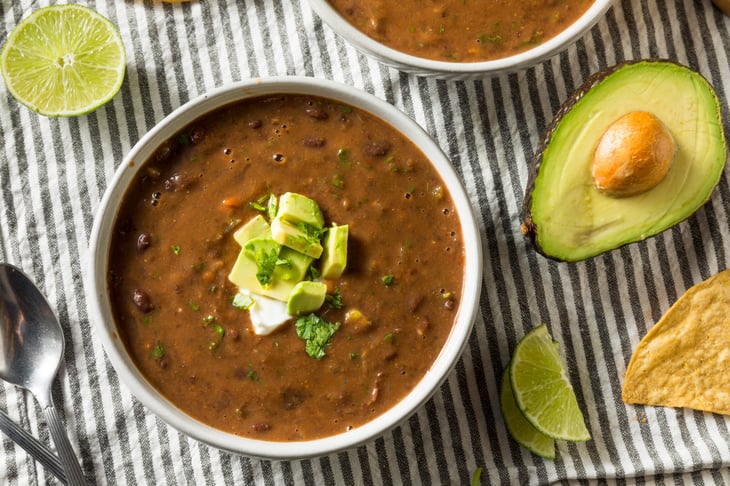
We make chili by the crockpot-load and often freeze one-third or one-half of it right away. It’s a fast meal on some future evening when no one feels like cooking.
The system isn’t foolproof. At times we take out a container without realizing how many leftovers are still in the fridge. Or one of us thaws some chili, and the next day the other partner comes down with a virus and wants nothing but broth and tea for a couple of days. Back in the freezer goes the chili so there’s no pressure to finish it quickly.
The dish may (or may not) have a slightly freezer-ish flavor when thawed a second time. Easiest fix in the world: Each of us doctors our bowl with Tabasco, a shake or two of cumin and chili powder, a bit of sour cream or a splash of the brine that we saved from a can of pickled jalapenos.
Chili is one of the cheaper yet still nutritious meals out there. We won’t waste a single spoonful.
(For more on brine and other leavings, see “Before You Toss Those Nearly Empty Condiments, Try These Tricks to Use Every Last Drop.”)
7. Broths
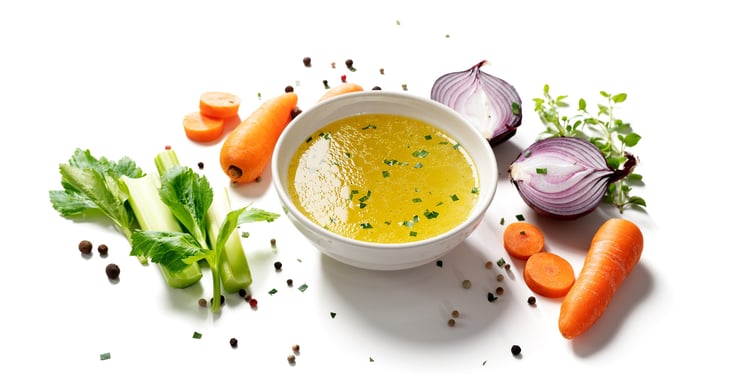
We save kitchen scraps and meat bones to make our own soup stock. The result is always delicious and never the same twice.
The same thing that happens with chili can also happen with broth: I thaw a quart, intending to make soup, and then I just … don’t make soup.
If the container is in the fridge for more than a day, I admit defeat and put it back on ice. We’ve never noticed any quality issues, because stock is after all just the foundation for soup. With the addition of sauteed onions and celery, chopped vegetables, seasonings and maybe some leftover meat, any potential off-flavor doesn’t stand a chance.
(For more on soup stock and other frugal cooking tactics, see “11 Food Scraps You Should Never Toss (and How to Use Them to Stretch Your Grocery Budget).”)
8. Cooked beans
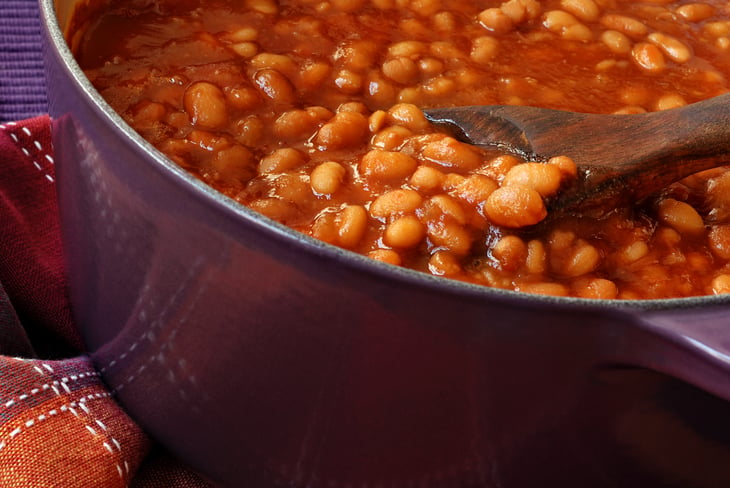
Canned beans are convenient, but they cost a lot more than dry beans. We regularly cook batches of dry black or pinto beans with olive oil and spices, then drain and freeze the beans flat in plastic bags (easier to stack).
As with other frozen ingredients, we sometimes thaw a bag of beans but wind up refreezing if we don’t cook them fast enough. We’ve never noticed any quality issue with twice-frozen beans; then again, they’re being used mainly as ingredients in soup or chili and not as a side dish.
I can’t promise you wouldn’t notice a freezer flavor if you eat the beans with rice. However, adding a little salsa and/or cheese and/or cilantro would probably disguise any legume fatigue.
Incidentally, you shouldn’t throw away the broth drained before freezing because it makes a great soup base. You can also use bean broth instead of water for canned soups. And if it’s a flavorful enough stock, you can drink it from a mug. Have you priced those “sipping broths” lately?
9. Sausage

Recently we were gifted some fancy andouille sausage via the local Buy Nothing group. It went into the freezer because its sell-by date was the next day. A week later my partner thawed the meat in the fridge, removed the links he needed for a huge breakfast omelet, and put the sausage back into the freezer.
We’ve refrozen other types of link sausages, ground sausage and ring sausage. The texture doesn’t suffer because, well, it’s sausage. It has no texture! And it tastes just as good after a freeze/thaw.
Refreezing after a power outage

Utility failures can ruin a freezer owner’s day. According to the Cooperative Extension Service at the University of Maine, bacteria can grow quickly once a food’s temperature reaches 40 degrees. Depending on how you handle the situation, all may not be lost.
First and foremost: Don’t open the freezer during a power failure! If the door stays closed, a full freezer can hold its temperature for up to 48 hours; a half-full freezer can keep food safe for up to 24 hours. (Some people freeze gallon jugs of water to boost a half-full freezer to a full one.)
If the utility predicts “a prolonged period of time” before the power returns, the university suggests putting block or dry ice in the freezer. After several days, use an appliance thermometer to check the freezer’s temperature; if it’s 40 degrees or less, the food is still safe to refreeze.
Don’t have an appliance thermometer? Get one. But if you’re caught without it, know that food that still contains ice crystals is safe to consume or refreeze.
A few tips for success

Label foods with the date before refreezing so you remember to use them promptly. For meats, the Times suggests you add “cook within one day of thawing” in case the protein had been in the fridge for a long time and could potentially harbor bacteria.
Already cooked foods — such as lasagna, casseroles or enchiladas — can stay in the fridge for up to four days before they need to be refrozen.
Super-perishable raw meats — including stew meat, poultry, seafood and ground meat — need to go back in the freezer within two days of having been thawed. Refreeze any meatier (ahem) cuts — such as roasts, chops and steaks — within five days after thawing.
Refrozen raw proteins need to be cooked very thoroughly, according to the Times. Rather than serving them medium-rare, it’s best to braise these meats or make them part of a long-simmered stew or soup.
As noted earlier, a food’s flavor might be affected after the freeze/thaw cycle. One fact that popped up frequently during my research was, “quality may be affected but it’s safe to eat.”
Here are a few workarounds:
For meats: Chop into smallish pieces for soups, stews or casseroles versus making them the main attraction. Or dice them finely and turn them into sandwich spreads, adding something sprightly (e.g., hot sauce or a bit of diced jalapeno) to help disguise any off-flavors.
For bread products: Toast bread to remove any whiff of the freezer; pretty much any sandwich you make with plain bread can be made with toast. You could also cut up the bread and turn it into flavored croutons, which add crunch to a salad and can make a meal of canned soup a lot fancier. Let the bread sit out until it’s completely stale, then grind into bread crumbs for coatings or to extend a package of ground meat. Or just make some bread pudding.

Add a Comment