



Preventive health care can save you money and save your life.
The best part is that if you’re a Medicare beneficiary, you’re able to access this kind of care for free in some instances. Screening for potentially fatal conditions can catch dangerous diseases before it’s too late.
Medicare will cover the following such screenings without your having to pay a penny out of pocket if your health care provider accepts Medicare. Do yourself and your loved ones a favor by taking advantage of the screenings you qualify for.
Heart disease

Deaths: 683,491 in 2024
Heart disease is the leading cause of death in the U.S., making screenings extra important for preventive health care. Medicare Part B covers cardiovascular screenings once every five years. The screening includes blood tests for cholesterol, lipid and triglyceride levels.
Cancer

Deaths: 619,876 in 2024
Cancer is another leading cause of death in America, and Medicare will pay for a number of screenings with no out-of-pocket cost to beneficiaries. These include:
- Lung cancer screenings once a year for those at risk
- Colonoscopies every 24, 48 or 120 months depending on risk
- Colorectal cancer blood-based biomarker screening tests every three years
- Multi-target stool DNA tests every three years
- Fecal occult blood tests every 12 months
- Mammograms every year
- Cervical and vaginal cancer screenings every two years in most cases
In some cases, there may be restrictions on who can receive a free screening. For instance, lung cancer screenings are for those ages 50-77 who meet criteria as current or previous smokers.
Other free screenings have age limitations. For example, colorectal cancer blood-based biomarker screening tests are free for those ages 45 to 85, and fecal occult blood tests are available free for those at least 45 years of age.
Alcohol misuse

Deaths: More than 178,000 per year
Alcohol is related to more than 4 million emergency visits per year. Alcohol is a carcinogen, so overuse can certainly contribute to cancer development.
And alcohol doesn’t only affect the liver; it also impacts the brain, gut, pancreas, lungs, cardiovascular system and immune system. It contributes to more than 200 health conditions, according to the National Institute on Alcohol Abuse and Alcoholism.
One study cited by the NIAAA found men who consumed more than two drinks per day were 43% more likely to develop major gastrointestinal bleeds compared with those who did not drink, and another study found that 1 in 5 patients hospitalized for GI bleeds drank heavily. And those are just two medical examples.
Medicare will freely provide one alcohol misuse screening per year.
Diabetes

Deaths: 94,445 in 2024
Diabetes is the seventh most common cause of death in the U.S. Nearly half (47%) of diabetes deaths worldwide occur in those younger than age 70. This chronic condition can lead to blindness, kidney failure, heart attacks, stroke and lower limb amputation.
Medicare will cover two free screenings per year if your doctor determines you’re at risk or if you meet certain criteria such as being older than 65 or being overweight.
Depression

Deaths: 48,824 in 2024
One person dies as a result of suicide every 11 minutes, and more than two-thirds of suicides have been attributed to depression. It’s one of the leading causes of death in the U.S.
Among the demographics most at risk of suicide, according to the nonprofit Depression and Bipolar Support Alliance, are veterans and those over the age of 85. The organization says rates are also relatively high for those aged 45 to 64.
Medicare will cover one depression screening per year.

Abdominal aortic aneurysm

Deaths: More than 5,000 in 2023
According to an article published in the International Journal of Molecular Sciences, ruptured abdominal aortic aneurysms (AAA) have an 80% to 90% mortality rate. It’s the 15th-leading cause of death in the U.S. and the 10th-leading cause of death among men at least 55 years of age.
An AAA happens when the wall of the aorta (the largest artery) weakens over time and begins to bulge. If it goes untreated, it can rupture and cause severe internal bleeding.
Medicare will cover an AAA screening once in a person’s lifetime but only for those deemed at risk. You may be considered at risk if there’s a family history of AAA, you’re a man between the ages of 65 and 75, or you’ve smoked more than 100 cigarettes in your lifetime.
Hepatitis C virus infection
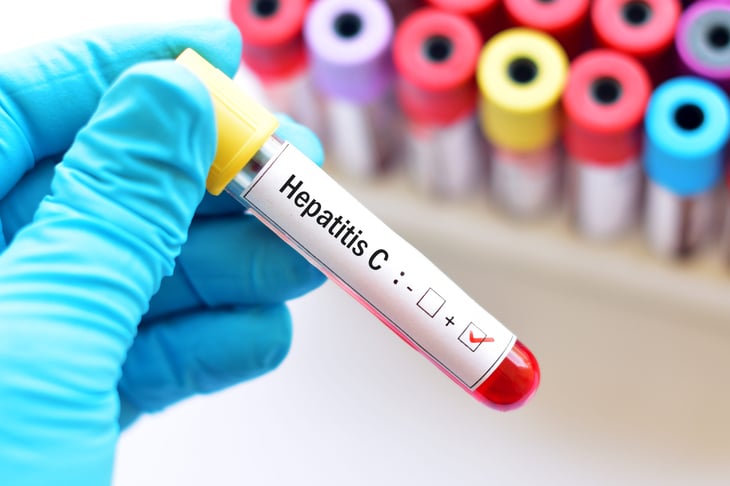
Deaths: 11,194 in 2023
Hepatitis C is caused by an HCV (hepatitis C virus) infection in the liver. Cases declined for the first time in 2022 after a decade of rising infections and remained stable in 2023. That doesn’t make it any less dangerous for those infected, though, and it’s entirely possible to be symptom-free and therefore unaware of the infection.
Medicare will pay for a screening if you meet one of the following criteria:
- You use or have used illicit injection drugs
- You had a blood transfusion before 1992
- You were born between 1945 and 1965
Medicare will only pay for a screening once if you were born between 1945 and 1965 and aren’t considered high risk. They’ll pay for a screening once a year, though, if you’ve used illicit injection drugs since your previous negative test.
Human immunodeficiency viruses (HIV) infection

Deaths: 4,296 in 2024
In 2022, nearly 38,000 people 13 years of age or older were diagnosed with HIV in the U.S. About 13% of those in the U.S. with HIV don’t know they have it, and HIV.gov recommends that anyone aged 13 to 64 be tested at least once in their lifetime.
Medicare will freely cover an HIV test for those ages 15 to 65 once per year, or those younger or older if they’re considered at risk. Those who are pregnant can get tested more often — up to three times during the pregnancy.
Hepatitis B virus infection

Deaths: 1,797 in 2022
Hepatitis B is the world’s most common type of liver infection. While less deadly in the U.S., it causes more cases of liver-related cancer and more deaths worldwide than hepatitis C.
Medicare will freely cover a screening if you’re at high risk for HBV infection or are pregnant. They’ll cover yearly screenings if you’re continuously considered high risk and don’t get the hepatitis B vaccine.
Medicare also covers screenings for various other sexually transmitted infections — including chlamydia, gonorrhea and syphilis — and behavioral counseling sessions for certain patients.

Add a Comment