



High prices have become the norm at the grocery store in recent years due to inflation. Now, renewed threats of tariffs against Mexico and the European Union stand to spur another wave of grocery price increases.
A 30% tariff on goods imported from both regions is set to take effect Aug. 1, according to letters that President Donald Trump sent to the presidents of Mexico and the European Council.
The U.S. imports more food from Mexico than any other country by far. Two members of the E.U. — France and Italy — rank No. 3 and No. 4, respectively. So, tariffs on imports from these regions are more likely to affect food prices.
Food imports tend to be agricultural products. So, Trump’s tariffs on Mexico and the E.U. are more likely to affect the prices of certain types of groceries, like fresh produce, than others.
You can only stock up on fresh fruits and vegetables so much without risking them going bad before you can eat them all. But if you eat a lot of the following foods, you might want to fill your freezer with frozen versions before prices climb further.
They are among the foods for which the U.S. supply is considerably reliant on Mexico or members of the European Union. So, they stand to see price increases stemming from tariffs as soon as August.
Orange juice
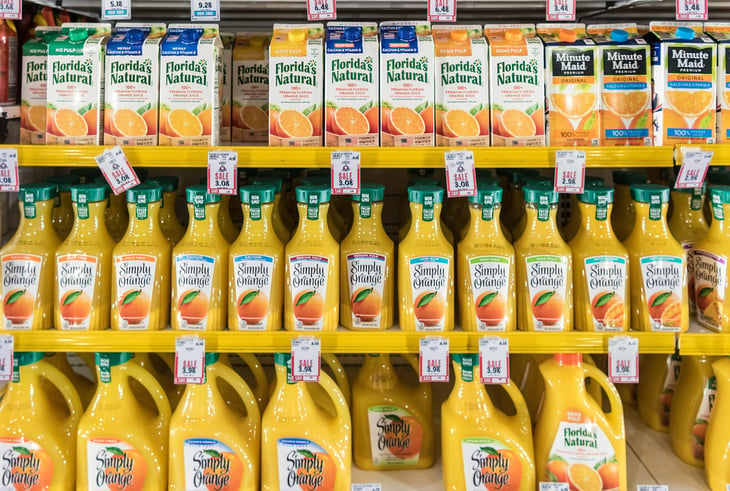
Orange juice is the most popular whole juice beverage in the U.S., but most of the orange juice available to U.S. consumers is imported. According to the U.S. Department of Agriculture, an estimated 78% of it was imported as of 2023-2024 — up from 15% in 2003-2004.
Most imported orange juice is from Mexico (67%). The rest is from Brazil (28%) and Costa Rica (4%).
If you need more reason to give up OJ for good, check out “6 Reasons to Stop Drinking Orange Juice (It’s Not As Healthy As You’d Think).”
Virgin olive oil
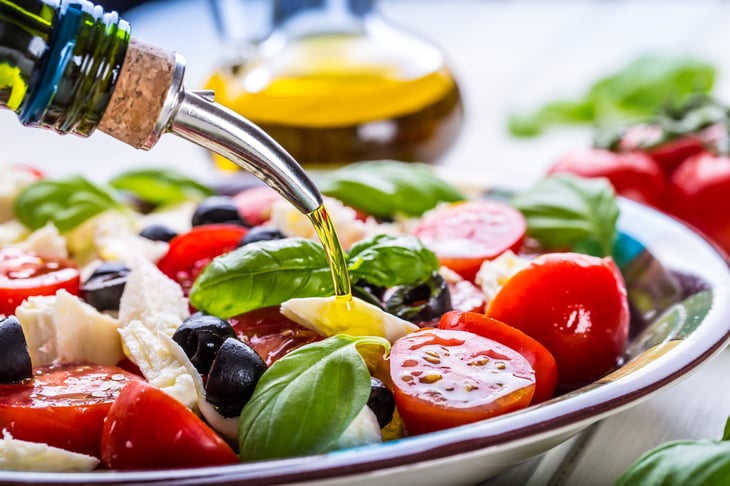
The U.S. imported about 278 million kilograms of virgin olive oil — more than $2.5 billion worth — in 2024, according to World Bank data. The bulk of it came from Italy (about 92 million kilograms) and Spain (89 million kilograms), both members of the European Union.
Other E.U. nations from which the U.S. imported virgin olive oil that year included Greece (about 7.6 million kilograms) and Portugal (3.6 million kilograms).
A kilogram is equivalent to about 2.2 pounds.
Avocados
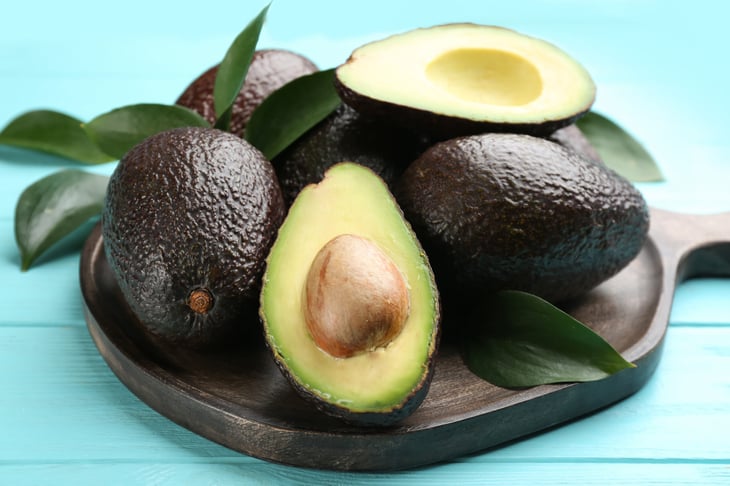
Around 90% of the avocado supply in the U.S. is imported — up from 40% in the early 2000s — according to the U.S. Department of Agriculture.
Not only is Mexico the top producer of avocados worldwide, but the U.S. is the top importer of Mexican avocados.
Between 2019 and 2021, the U.S. imported an average of 2.25 billion pounds of avocados per year from Mexico, which accounted for 88% of all avocado imports during that period.
Fresh broccoli

The U.S. has been a net importer of fresh broccoli since 2013, meaning the country imports more of it than it exports.
In 2013, broccoli imports totaled 381 million pounds. A decade later, they averaged 608 million pounds per year, according to the U.S. Department of Agriculture. And 95% of broccoli imported by the U.S. comes from Mexico.
Fresh strawberries

The U.S. imported about 267 million kilograms of fresh strawberries — nearly $1.2 billion worth — in 2024, according to World Bank data. Nearly all of it (about 260 million kilograms) came from Mexico.
Most of the rest came from Canada (5.8 million kilograms) or Spain (65,601 kilograms) — the latter of which is a member of the European Union.

Fresh tomatoes
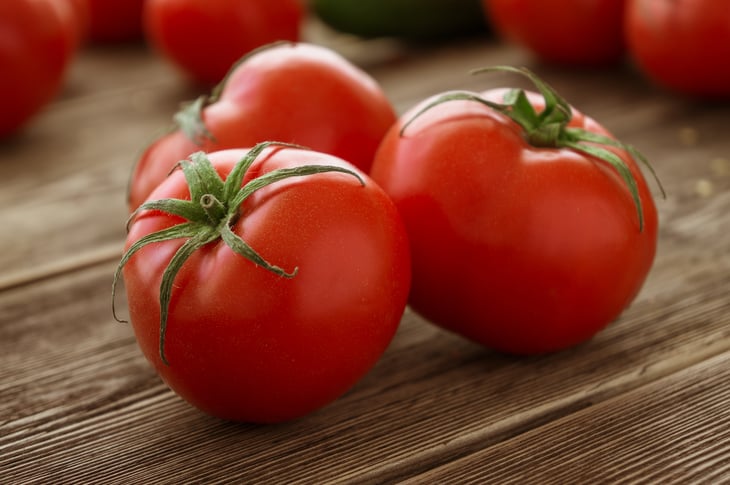
The U.S. is a net exporter of canned tomatoes but a net importer of fresh tomatoes. Between January and October 2024, the U.S. imported 3.9 billion pounds of fresh tomatoes, with 90% of it coming from Mexico.
Fresh sweet corn
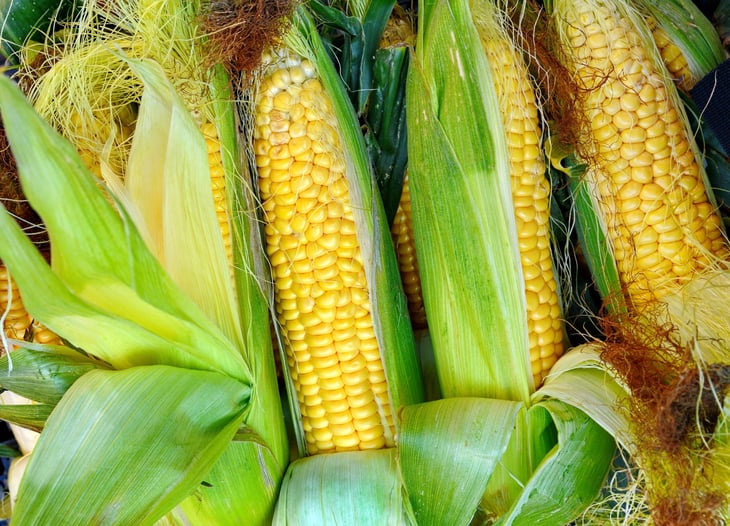
Between January and October 2024, the U.S. imported more fresh sweet corn (181 million pounds) than it exported (148 million pounds).
Over the past three years, 93.7% of imported sweet corn has come from Mexico.
Imported beer
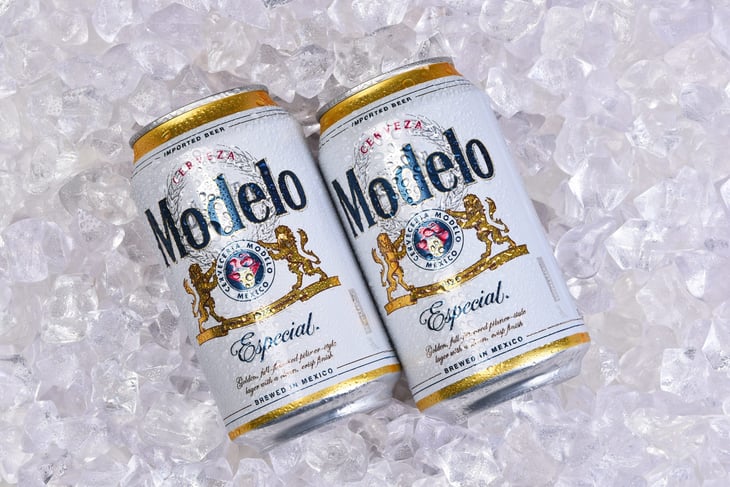
Most beer sold in the U.S. is domestic, according to data from the trade group Beer Institute, but many Americans prefer imported brands.
In 2023, Modelo Especial became the most popular beer consumed in the U.S., toppling former champ Bud Light.
Modelo and another popular Mexican beer brand — Corona — are owned by the same parent company, Grupo Modelo, which makes its products in Mexico.
In fact, as of 2025, most beer imported to the U.S. is from Mexico, according to the Beer Institute. Other nations from which the U.S. imports a lot of beer include several members of the European Union: The Netherlands (No. 2), Ireland (No. 3), Germany (No. 4), Belgium (No. 6) and Italy (No. 7).
Fresh snap beans
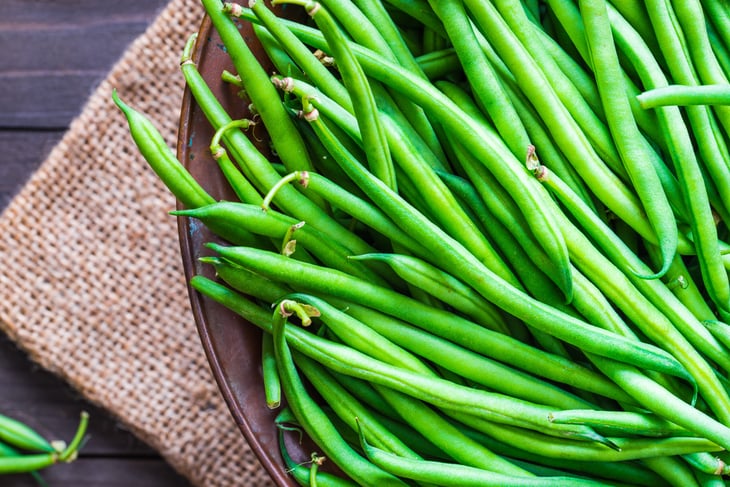
The U.S. is a net importer of fresh snap beans, also known as string beans.
Imports averaged 235 million pounds per year between 2021 and 2023. Most of those imports — 161 million pounds, or 68% — came from Mexico.
Fresh cabbage
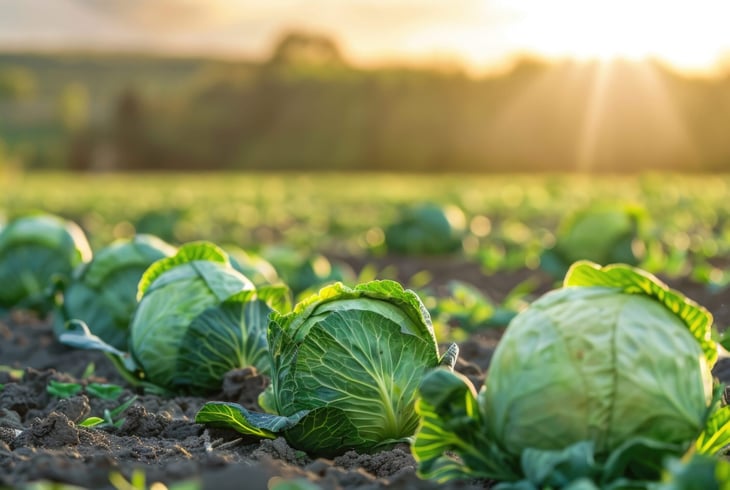
The U.S. imported about 233 million pounds of fresh cabbage — more than twice as much as it exported — between 2021 and 2023. Of that imported cabbage, 51% came from Mexico.
Imported wine

The volume of wine imported by the U.S. more than tripled between 2000 and 2021, when it totaled 456 million gallons — nearly $7.5 billion worth — according to the U.S. Department of Agriculture. Wine imported from the European Union accounted for 50% of that volume and 75% of that total value.
Specifically, Italy and France were the top two countries of origin, with the value of imports from the two countries totaling about $5 billion in 2021.
To learn about specific types of wine that would be affected by tariffs on E.U. imports, check out “6 Types of Alcohol That Could Cost More Come August.”

Add a Comment