



Staying proactive with your health can make all the difference in catching issues early and preventing long-term complications. Regular screenings tailored to your age, lifestyle, and family history are a cornerstone of preventive care.
Here’s a list of five essential screenings to prioritize for a healthier future.
1. Blood Pressure Check

High blood pressure, often called the “silent killer,” affects millions of people without noticeable symptoms. A quick blood pressure test can identify potential risks like heart disease or stroke.
Regular monitoring ensures you stay ahead of any issues and adjust your lifestyle or medications as needed. Caring for your overall health includes safeguarding against unexpected risks for you and your family.
Pro Tip: Life insurance is a must to protect your family. Here's a place to get a free, no-obligation quote.
2. Cholesterol Screening

High cholesterol can quietly lead to clogged arteries, increasing the risk of heart attack and stroke.
Adults over 20 should get their cholesterol checked every 4-6 years, or more frequently if they have risk factors. Early detection allows for dietary and lifestyle changes to keep your heart healthy.
Improve cholesterol by eating heart-healthy fats from nuts, fish, and olive oil while cutting trans fats and processed foods. Combine these changes with routine check-ups to stay on track.
Pro Tip: Life Line Screening reveals hidden risks so you can act early. Book a screening today and have peace of mind.
3. Cancer Screenings

Cancer screenings like mammograms, colonoscopies, and Pap tests are vital for early detection. Your doctor can recommend tests based on your age, history, and risk factors, improving outcomes significantly.
Don’t forget about skin checks as well. Dermatologists can identify early signs of skin cancer that might go unnoticed. A yearly exam or self-checks can significantly reduce risks, especially if you’re frequently exposed to the sun.
Pro Tip: Medicare doesn’t pay for everything. Fill in the gaps with a Medicare Supplement plan to pay what Medicare doesn’t.
4. Blood Sugar Test
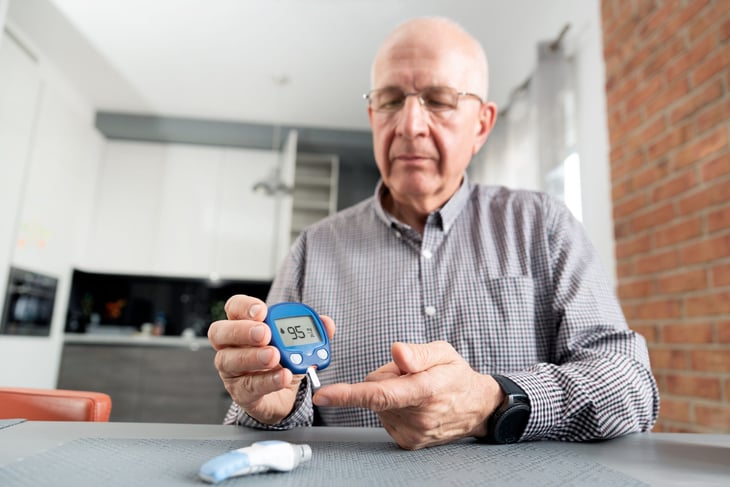
Diabetes is a growing concern worldwide, but early detection can prevent severe complications like nerve damage or heart disease. A simple blood sugar test helps monitor your glucose levels and catch prediabetes or diabetes before symptoms arise.
If you’re at risk, incorporating more physical activity and cutting back on added sugars can have a significant impact. Combine these efforts with regular blood sugar monitoring for the best results.
Pro Tip: Kickstart your New Year’s resolutions and shed up to 25 pounds in just 4 months with cutting-edge FDA approved GLP-1 medications for weight loss. Don’t wait, take RemedyMeds quick 2-minute quiz today.
5. Bone Density Test

Osteoporosis weakens bones and raises fracture risk. A bone density test, recommended for older adults, helps detect issues early so you can take steps to strengthen your bones.
Strength-training exercises and calcium-rich foods like leafy greens and fortified cereals can support strong bones. Even small adjustments to your daily routine can significantly reduce your risk of fractures and long-term complications.
Pro Tip: Supercharge your mornings and kickstart your weight loss journey with Bulletproof Coffee, a delicious blend of high-quality coffee, grass-fed butter, and Brain Octane Oil that boosts energy, enhances focus, and curbs cravings—all while keeping you satisfied until lunch!
Stay Ahead with Regular Screenings

Scheduling these essential screenings not only protects your health but also provides peace of mind for you and your loved ones. Staying informed about your body’s condition allows you to make proactive choices and embrace a healthier lifestyle.
Take advantage of technology, like health apps, to track appointments and set reminders for routine check-ups. These tools can help ensure you stay consistent and on top of your health.

Add a Comment