



Editor's Note: This story originally appeared on Upgraded Points.
The financial challenges facing U.S. military households are a significant concern throughout the year. Holidays such as Memorial Day, Armed Forces Day, or Veterans Day highlight the ongoing struggles that service members face, particularly amid rising costs for everyday essentials.
A recent U.S. Census Bureau Household Pulse Survey revealed that military members and their families are struggling with basic expenses such as housing, food, and transportation compared with the average American.
Our analysis examines how service members are faring in today’s economy compared with civilian households, highlighting the states where military families report the greatest challenges in managing their finances.
To find the states where the most service members find it difficult to cover expenses, Upgraded Points conducted an analysis using data from the U.S. Census Bureau. For more details, see the methodology at the end.
15. Colorado
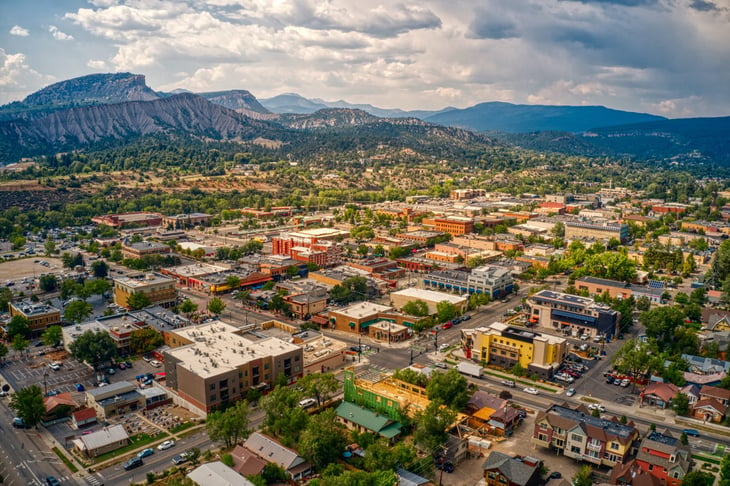
- Share of Service Members Finding It Difficult to Cover Expenses: 44.1%
- Share of Service Members Stressed About Price Increases: 83.1%
- Share of Service Members Concerned About Future Price Increases: 83.1%
- Home Price Growth (2019-2024): 38.7%
- Unemployment Rate: 3.8%
14. Minnesota
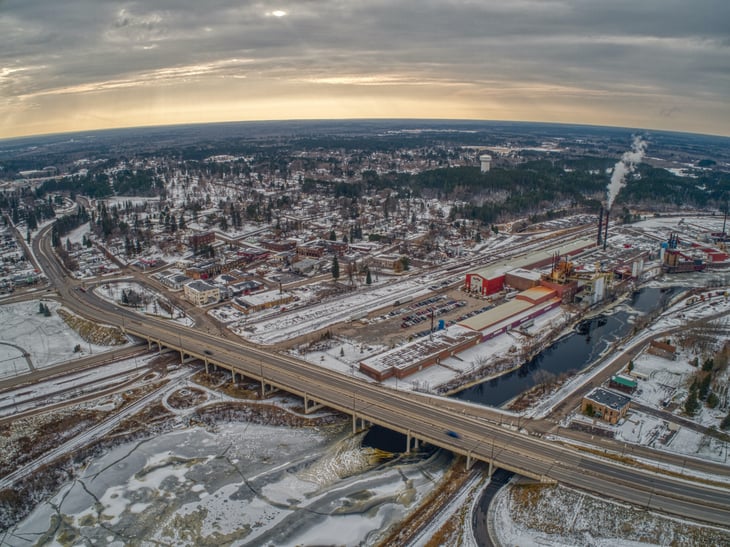
- Share of Service Members Finding It Difficult to Cover Expenses: 44.3%
- Share of Service Members Stressed About Price Increases: 74.8%
- Share of Service Members Concerned About Future Price Increases: 78.5%
- Home Price Growth (2019-2024): 31.6%
- Unemployment Rate: 3%
13. West Virginia

- Share of Service Members Finding It Difficult to Cover Expenses: 44.3%
- Share of Service Members Stressed About Price Increases: N/A
- Share of Service Members Concerned About Future Price Increases: 95.4%
- Home Price Growth (2019-2024): 40.7%
- Unemployment Rate: 4.5%

12. North Carolina

- Share of Service Members Finding It Difficult to Cover Expenses: 45.1%
- Share of Service Members Stressed About Price Increases: 79.1%
- Share of Service Members Concerned About Future Price Increases: 85%
- Home Price Growth (2019-2024): 61.5%
- Unemployment Rate: 4%

11. Delaware

- Share of Service Members Finding It Difficult to Cover Expenses: 46.4%
- Share of Service Members Stressed About Price Increases: 94.5%
- Share of Service Members Concerned About Future Price Increases: 87.9%
- Home Price Growth (2019-2024): 42%
- Unemployment Rate: 3.5%
10. South Carolina

- Share of Service Members Finding It Difficult to Cover Expenses: 47%
- Share of Service Members Stressed About Price Increases: 82.1%
- Share of Service Members Concerned About Future Price Increases: 83.5%
- Home Price Growth (2019-2024): 56.4%
- Unemployment Rate: 4.3%

9. Oklahoma

- Share of Service Members Finding It Difficult to Cover Expenses: 49.1%
- Share of Service Members Stressed About Price Increases: 86.6%
- Share of Service Members Concerned About Future Price Increases: 77.6%
- Home Price Growth (2019-2024): 49.6%
- Unemployment Rate: 4.6%

8. Pennsylvania

- Share of Service Members Finding It Difficult to Cover Expenses: 50.2%
- Share of Service Members Stressed About Price Increases: 93.1%
- Share of Service Members Concerned About Future Price Increases: 90.3%
- Home Price Growth (2019-2024): 42.4%
- Unemployment Rate: 4.2%
7. Florida

- Share of Service Members Finding It Difficult to Cover Expenses: 50.3%
- Share of Service Members Stressed About Price Increases: 82.1%
- Share of Service Members Concerned About Future Price Increases: 88.8%
- Home Price Growth (2019-2024): 63.2%
- Unemployment Rate: 4.1%

6. New York

- Share of Service Members Finding It Difficult to Cover Expenses: 50.8%
- Share of Service Members Stressed About Price Increases: 85.2%
- Share of Service Members Concerned About Future Price Increases: 71.6%
- Home Price Growth (2019-2024): 38.6%
- Unemployment Rate: 5%

5. Tennessee
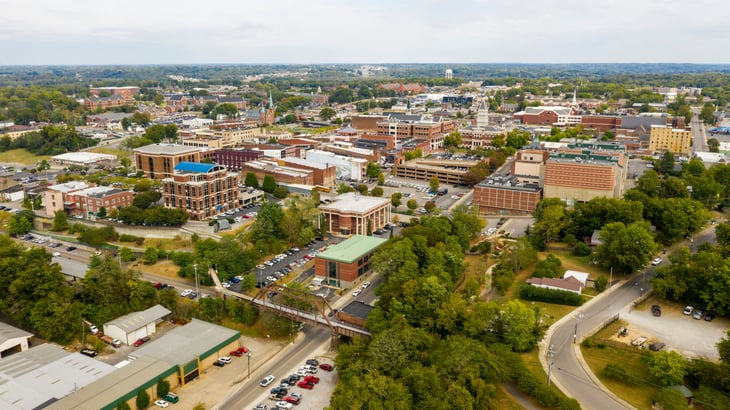
- Share of Service Members Finding It Difficult to Cover Expenses: 51.2%
- Share of Service Members Stressed About Price Increases: 88.1%
- Share of Service Members Concerned About Future Price Increases: 87%
- Home Price Growth (2019-2024): 60.7%
- Unemployment Rate: 4%
4. Indiana
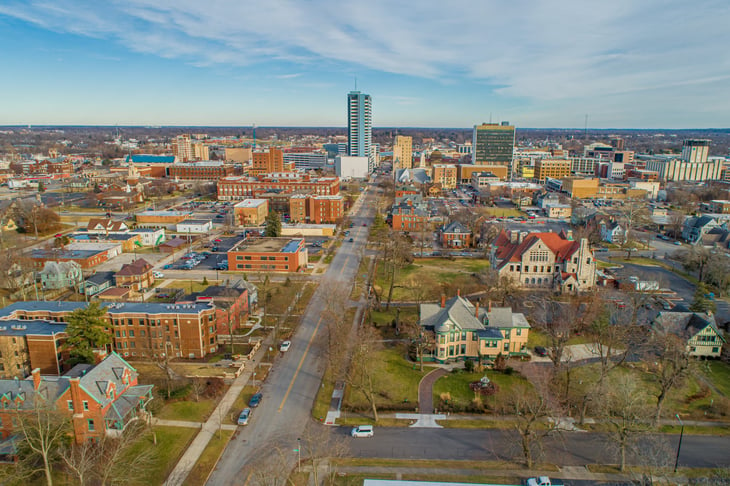
- Share of Service Members Finding It Difficult to Cover Expenses: 52%
- Share of Service Members Stressed About Price Increases: 88.5%
- Share of Service Members Concerned About Future Price Increases: 90.7%
- Home Price Growth (2019-2024): 53.3%
- Unemployment Rate: 3.6%

3. Alaska

- Share of Service Members Finding It Difficult to Cover Expenses: 52.8%
- Share of Service Members Stressed About Price Increases: 92.1%
- Share of Service Members Concerned About Future Price Increases: 91.9%
- Home Price Growth (2019-2024): 18.4%
- Unemployment Rate: 4.8%

2. Louisiana

- Share of Service Members Finding It Difficult to Cover Expenses: 52.9%
- Share of Service Members Stressed About Price Increases: 83.7%
- Share of Service Members Concerned About Future Price Increases: 86%
- Home Price Growth (2019-2024): 10.5%
- Unemployment Rate: 4.9%
1. Utah
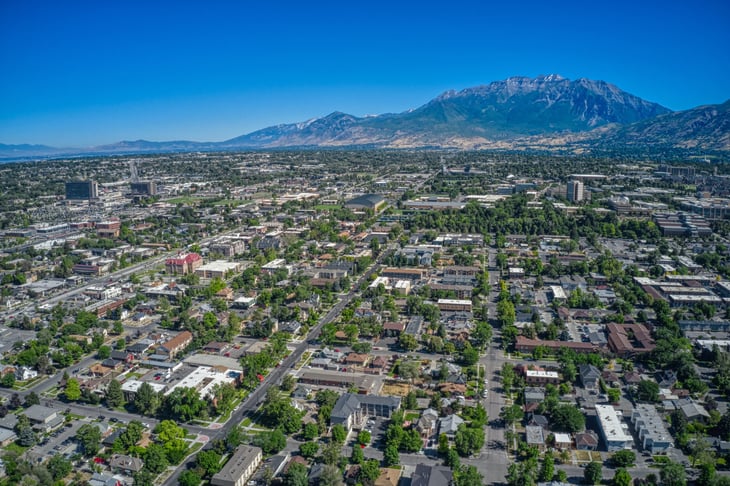
- Share of Service Members Finding It Difficult to Cover Expenses: 53.7%
- Share of Service Members Stressed About Price Increases: 85.5%
- Share of Service Members Concerned About Future Price Increases: 83.6%
- Home Price Growth (2019-2024): 52.8%
- Unemployment Rate: 3.3%

Methodology

Upgraded Points conducted the analysis using the latest data from the U.S. Census Bureau Household Pulse Survey Phase 4.0-4.2, covering the period from Jan. 9, 2024, to Sept. 16, 2024. Service members were defined as adults currently serving in the U.S. armed forces (Active Duty, Reserve, or National Guard) and their spouses.
This analysis focuses on three key questions from the survey:
- Difficulty Covering Household Expenses: Respondents were asked, “In the last 7 days, how difficult has it been for your household to pay for usual household expenses, including but not limited to food, rent or mortgage, car payments, medical expenses, student loans, and so on?” We defined difficulty as either “very difficult” or “somewhat difficult.”
- Stress Due to Price Increases: Respondents were asked, “How stressful, if at all, has the increase in prices in the last two months been for you?” We defined stress as either “very stressful” or “moderately stressful.”
- Concern About Future Price Increases: Finally, respondents were asked, “In the area you live and shop, how concerned are you, if at all, that prices will increase in the next 6 months?” We defined concern as either “very concerned” or “somewhat concerned.”
Statistics with fewer than 50 survey responses were omitted from the analysis. Additional statistics on home prices were sourced from Zillow’s Home Value Index, and unemployment rates were sourced from the U.S. Census Bureau’s 2023 American Community Survey 1-Year Estimates.


Add a Comment