


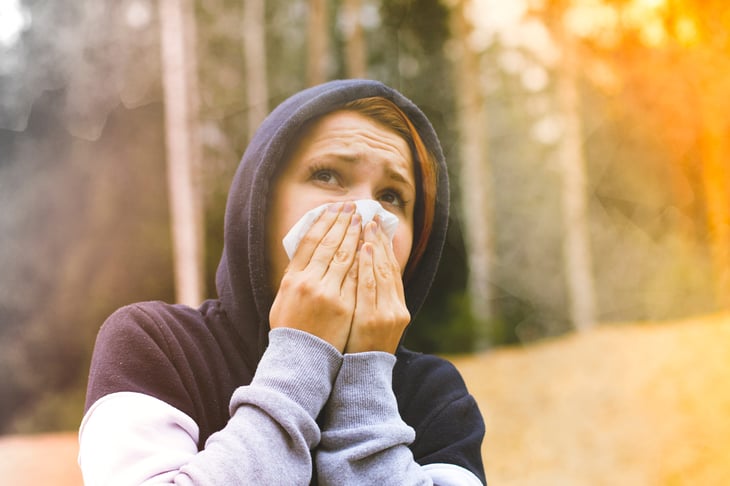
Wildfires in California have become larger, more frequent, and more destructive in recent years. But their damage isn’t limited to burning homes and forests—their impact extends across the entire country, affecting the health of millions.
Even if you live far from the flames, the effects of these wildfires can be felt in the air you breathe, the water you drink, and even your mental well-being.
The spread of toxic smoke, rising cases of respiratory diseases, and increased stress levels are just a few ways these disasters silently harm public health.
Here’s how California’s wildfires may be affecting your health—no matter where you live.
1. Increased risk of heart attacks and strokes

It’s not just your lungs that suffer—your heart is at risk, too. Studies have shown that wildfire smoke can cause serious cardiovascular problems, including heart attacks, strokes, and high blood pressure.
Toxic particles from the smoke enter the bloodstream, triggering inflammation and increasing the risk of blood clots.
Hospitals often report a spike in emergency room visits for heart-related conditions during and after major wildfire events, even in states hundreds of miles away.
2. Rising asthma and lung disease cases

If you have asthma or any other lung condition, wildfire smoke is an invisible threat.
The fine particles in wildfire pollution are small enough to penetrate deep into the lungs, triggering asthma attacks, chronic bronchitis, and worsening symptoms of COPD (chronic obstructive pulmonary disease).
Even in healthy individuals, prolonged exposure to smoke pollution may lead to the development of respiratory diseases. Children and older adults are particularly vulnerable, as their lungs are more sensitive to environmental toxins.
Pro Tip: Detect potential health concerns before they escalate. Book a screening today and take proactive steps for your well-being.
3. Mental health issues on the rise

The stress of dealing with wildfires isn’t limited to those directly in the fire’s path. The psychological toll extends nationwide, as news coverage, evacuation footage, and air quality warnings create anxiety and uncertainty.
For individuals with disabilities, such as hearing loss, the lack of accessible emergency updates can add to feelings of isolation and distress, compounding the mental health burden.
Constant exposure to wildfire-related stress can contribute to higher rates of depression, anxiety, and even PTSD. Those already struggling with mental health challenges may find wildfire season particularly overwhelming, and individuals with hearing impairments or mobility limitations may experience heightened fear and frustration due to communication barriers and evacuation difficulties.
Pro Tip: Clear communication is essential, especially during emergencies. The FDA’s new rule makes it easier for those with hearing loss to access top hearing aids without needing a prescription.
4. Toxic smoke travels across the country

When wildfires rage in California, their smoke doesn’t just linger over the West Coast—it moves across the entire country.
Powerful wind patterns push microscopic particles, known as PM2.5, thousands of miles away, causing air quality to plummet in states far beyond the fire zone.
This invisible pollution is particularly dangerous because it contains a toxic mix of burned chemicals, heavy metals, and other hazardous substances.
Even in places where the sky appears clear, wildfire smoke can linger in the atmosphere, affecting air quality and increasing health risks for millions.
5. Chronic headaches and fatigue

Many people don’t connect their headaches and fatigue with wildfire smoke, but poor air quality triggers both.
Inhaling smoke pollution leads to inflammation, reducing oxygen levels in the blood and contributing to brain fog, dizziness, and prolonged fatigue.
People who work outdoors or exercise regularly may notice increased exhaustion on days when wildfire smoke is present—even if they’re thousands of miles from the source.
6. Water contamination spreads beyond California

Wildfires don’t just destroy trees—they alter entire ecosystems, including the water supply. When forests burn, chemicals, heavy metals, and ash wash into reservoirs, contaminating drinking water supplies in California and beyond.
Testing has revealed high levels of benzene, lead, and other toxins in water systems during past wildfire events, some of which have traveled downstream to affect other states.
These chemicals can linger long after the fire is extinguished, raising concerns about long-term health risks.
Pro Tip: Facing unexpected costs or financial strain? Discover fast, secure ways to access funds or manage debt. Explore financial solutions here.
7. Pregnancy complications and birth defects

For pregnant women, wildfire smoke exposure is hazardous. Research suggests that fine particle pollution can interfere with fetal development, leading to an increased risk of premature birth, low birth weight, and developmental issues.
Toxic air pollution can also raise the risk of gestational diabetes and high blood pressure during pregnancy, both of which can cause complications for both the mother and baby.
8. Long-term cancer risks

The health risks from wildfires don’t disappear once the flames die out. Wildfire smoke contains a cocktail of carcinogens, including benzene, formaldehyde, and polycyclic aromatic hydrocarbons (PAHs), all of which are linked to an increased risk of cancer.
Long-term exposure to these chemicals has been associated with higher rates of lung cancer, bladder cancer, and blood cancers. The risks persist for years because these toxins can remain in the air, soil, and water long after extinguishing the fire.
The danger doesn’t end with the flames
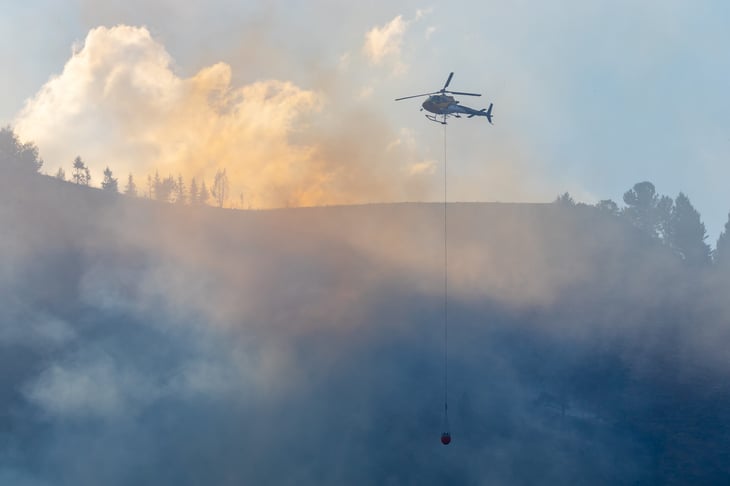
California’s wildfires may seem like a distant problem to many, but their health effects reach far beyond state lines.
Whether it’s toxic air pollution, water contamination, or increased mental health struggles, these fires create serious risks for millions of people across the country.
Understanding these dangers is the first step in protecting yourself. Staying informed about air quality, using high-quality air filters, and reducing outdoor exposure on smoky days can help minimize your risks.
While wildfires may be a natural disaster, their impact on human health is anything but natural—it’s a crisis that demands attention.

Add a Comment