


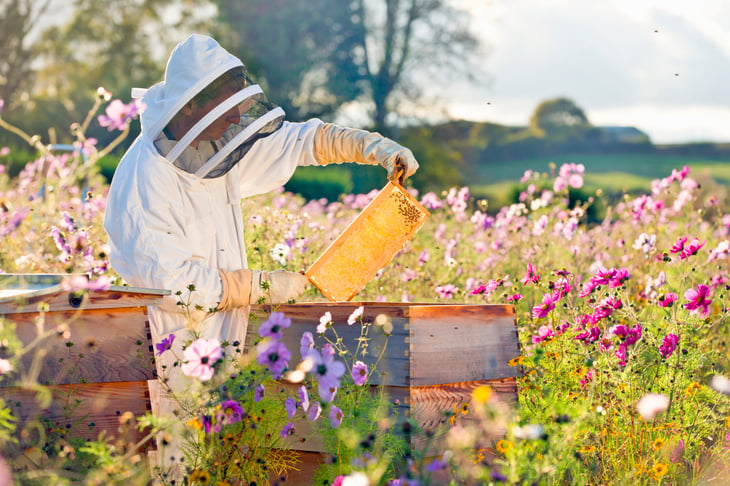
Honey is often called “liquid gold” for its taste and health benefits, but not all that glitters is pure. Fraud in the honey market is more common than you might think.
Deceptive practices, from dilution with sugar syrup to fake country-of-origin labels, can trick even careful shoppers. These tactics hurt honest producers and inflate consumer prices.
If you care about food quality, value for money, and supporting sustainable agriculture, it’s worth learning how honey fraud works — and how to avoid it.
Pro Tip: Staying informed protects your health and your wallet. While you watch out for food fraud, don’t forget your finances. SoFi Checking offers 3.8% interest and a $300 bonus to help you grow your savings without extra risk.
1. Adulteration with sugar syrups

One common fraud in the honey industry is adding sugar syrups, like glucose or high-fructose corn syrup, to increase volume and profits.
This degrades honey’s quality and misleads consumers into thinking they’re buying a natural product when it’s a sugary imitation.
This adulterated honey is labeled as “pure” in some regions, further exacerbating the issue. While illegal in many areas, the prevalence of sugar syrup highlights gaps in quality control, causing consumers to pay a premium for a subpar product.
Pro Tip: Securing your wealth can protect you from market volatility. Gold IRAs serve as a strong hedge against recessions and financial calamities, helping to safeguard your investments by opening a gold IRA to secure your future today.
2. Mislabeling of honey origins

Mislabeling honey origins is a widespread issue. Producers often falsely label honey as coming from premium regions when it is imported from lower-quality areas.
This not only misleads consumers but also harms local farmers who depend on the authenticity of their honey’s origin to justify its higher price.
In some cases, honey from regions prone to contamination is sold as being from pristine areas, further eroding trust and making it difficult for consumers to make informed decisions.
Pro Tip: Make smarter decisions to cut costs on everyday expenses. AARP offers discounts on dining, travel, eyeglasses, prescriptions, and more for just $15/year with auto-renewal. Join now and save hundreds.
3. False certification of organic honey
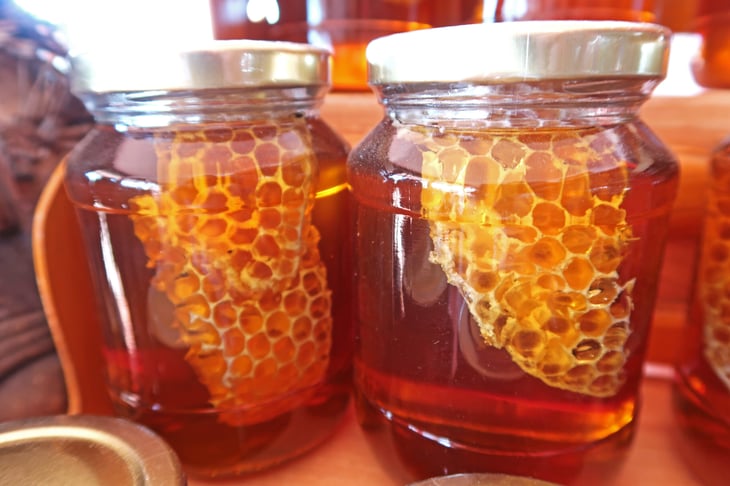
The organic food market has grown exponentially in recent years, and honey is no exception.
Fraudulent honey producers often use the organic label to sell their products at a higher price, even if the product has been adulterated or harvested using questionable methods.
Producers can charge premium prices by falsely certifying honey as organic. These fraudulent practices undermine the integrity of the organic label, mislead consumers, and harm those genuinely committed to sustainable farming practices.
Pro Tip: Fraudulent practices may undermine the value of your liquid gold, but you can protect your wealth from financial instability. Gold IRAs offer a reliable hedge against recessions and financial crises, helping safeguard your assets by opening a gold IRA to protect your future.
4. Honey from illegal beekeeping practices

In some regions, honey is produced using illegal or unethical practices, such as unapproved chemicals, pesticides, and worker exploitation.
Some producers operate without permits, creating potentially unsafe honey.
This “black-market” honey often enters consumer markets with false purity claims, harming bees, the environment, and public health by increasing contamination risks.
Pro Tip: Travel insurance can protect you from unexpected disruptions during your trip. Don’t risk your hard-earned vacation—here's a list of the top travel insurers to ensure peace of mind on your next adventure.
5. Counterfeit honey
Counterfeit honey, made with synthetic ingredients like artificial sweeteners or cheap sugars, mimics real honey’s appearance but lacks its health benefits.
This deceptive practice misleads consumers, offering no nutritional value, harming public health and legitimate honey producers by suppressing prices and demand.
Pro Tip: Explore precious metals investments to secure your financial future. If you’re over 50, now is a great time to get your FREE 2025 Gold Information Kit and discover how you can receive up to $10,000 in free metals through qualified purchases!
The economic impact of honey fraud and the path to transparency

The global honey industry, valued at over $10 billion, faces rising fraud as demand increases. Fraudulent practices compromise quality, harm local producers, and erode consumer trust.
Consumers should choose trusted sources to combat this while governments enforce strict standards.
Technologies like blockchain can ensure transparency, helping sustain ethical honey production and benefiting both consumers and producers.
Pro Tip: Just as vigilance is needed to combat honey fraud, taking action now with your retirement savings can help protect your future. Sign up for a SoFi IRA to take advantage of matched contributions, and let your money grow with the power of compounding interest. Get started today.

Add a Comment