


Editor's Note: This story originally appeared on Boldin.
Are tariffs a powerful economic incentive to restore American manufacturing? Or a fast way to destroy globalism and/or the world’s economies?
Are they a threat that will be quickly repealed? Or a long-lasting policy shift?
Only time will answer these questions. And since we cannot tell the future, let’s take a look at the history of U.S. tariffs and explore their economic impact.
For over two centuries, tariffs — taxes on imported goods — have played a central role in U.S. economic policy, shaping industries, trade relationships, and political debates. The story of tariffs in America reflects the nation’s evolving priorities, from protecting infant industries to promoting global trade.
Early Protectionism (1800s–1930s)

In the 19th century, the United States relied heavily on tariffs to fund the federal government, as income taxes did not yet exist. Tariffs also served as a tool to protect fledgling domestic industries from European competition.
The Tariff of 1828, known as the “Tariff of Abominations,” sparked fierce controversy and contributed to rising tensions between the North and South, as it benefited Northern manufacturers at the expense of Southern exporters.
Throughout the 1800s, high tariffs were a hallmark of Republican economic policy. Industrialization in the North was heavily supported by these protective measures, which helped establish the U.S. as a manufacturing power by the turn of the century.
Impact: 19th-century tariffs helped industrialize the nation but created regional economic rifts.

The Great Depression and the Shift Toward Free Trade
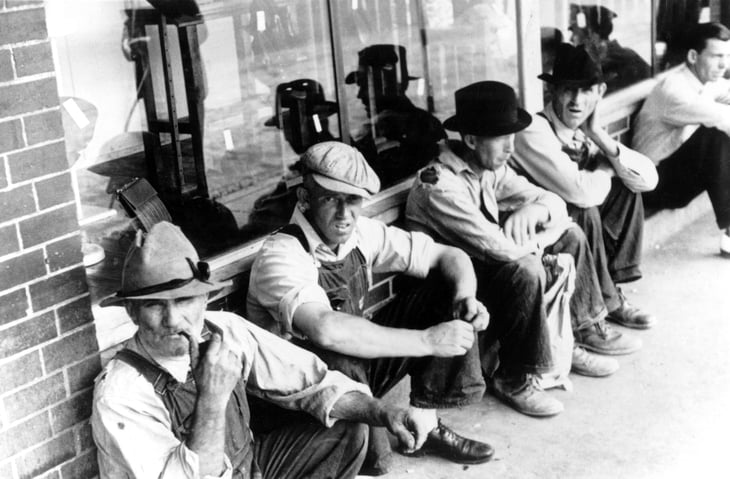
The Smoot-Hawley Tariff Act of 1930, which raised tariffs on over 20,000 goods, is widely seen as a misstep that deepened the Great Depression. Other countries retaliated with their own tariffs, stifling international trade and exacerbating the global economic downturn.
In response, the U.S. began a gradual shift away from protectionism. The Reciprocal Trade Agreements Act of 1934 allowed the president to negotiate lower tariffs with other nations, laying the groundwork for the modern era of trade liberalization.
Not familiar with Smoot-Hawley? You may be forgetting the lessons from the ’90s classic film “Ferris Bueller’s Day Off.”
Impact: Smoot-Hawley contributed to a global economic crisis.

Post-WWII Era: Free Trade Takes Hold
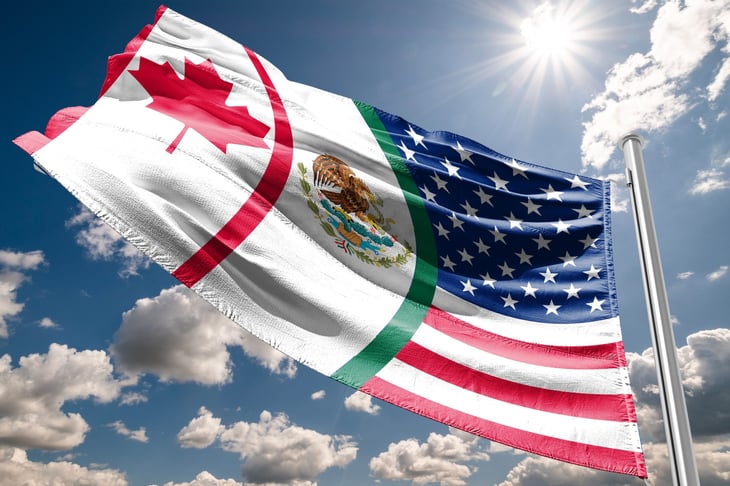
After World War II, the U.S. took a leading role in promoting global economic cooperation. It became a founding member of the General Agreement on Tariffs and Trade (GATT) in 1947, which aimed to reduce trade barriers among participating countries.
Over the next few decades, tariffs steadily declined, helping fuel global economic growth and solidify the U.S. as a dominant economic power.
Major trade agreements, including NAFTA (1994) and the establishment of the World Trade Organization (WTO) in 1995, further cemented the U.S. commitment to free trade.
Impact: Post-war liberalization helped spur decades of growth and lower consumer prices.

The 21st Century: A Tariff Resurgence
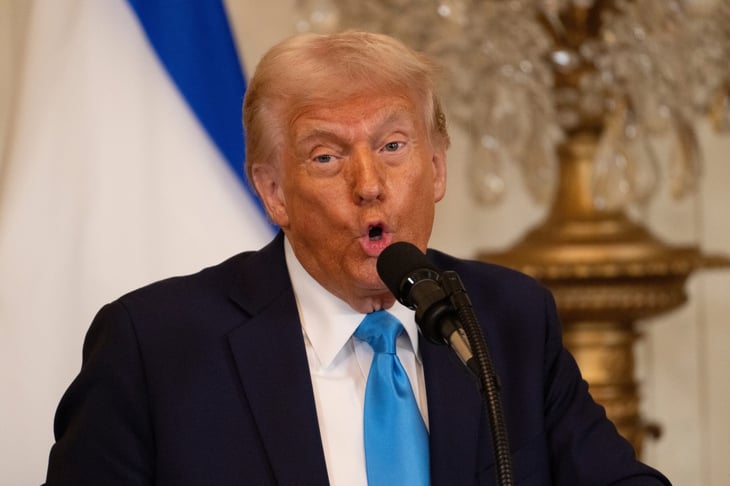
In recent years, tariffs have reentered the national conversation. Under President Donald Trump’s first administration (2017–2021), the U.S. imposed significant tariffs on steel, aluminum, and a wide array of Chinese imports, citing national security and unfair trade practices.
These actions sparked retaliatory measures and trade tensions, particularly with China.
While the intent was to boost American manufacturing and address trade imbalances, the results were mixed. Some industries saw short-term protection, but tariffs also raised costs for businesses and consumers, disrupted supply chains, and strained global relationships.
Impact: During the first Trump administration, tariffs highlighted the trade-offs between protecting domestic industries and maintaining global competitiveness.

What Impact Will Tariffs Have on Your Finances?

Tariffs remain a powerful but double-edged tool in economic policy — capable of shaping industries and geopolitical alliances, but also of triggering unintended consequences when wielded too aggressively.
Their impact has been mixed in terms of strengthening economies.
You can’t control what is happening in the economy, but you can control your own financial plans and build resiliency into your financial future. Check out critical actions to take in times of economic volatility.


Add a Comment