


In a world where technology and humanitarian aid increasingly intersect, few names draw more attention than Elon Musk and USAID.
Though they operate in vastly different spheres — one rooted in profit-driven innovation, the other in taxpayer-funded diplomacy and aid — recent developments suggest their paths are crossing and influencing each other in unexpected ways.
From space-based internet to electric vehicle deployment in conflict zones, these seven trends demonstrate how this unlikely convergence may be just the beginning of a broader shift in how we tackle global challenges.
Pro Tip: If you have more than $20,000 in unsecured debt, get some professional help. National Debt Relief is a trusted source for free advice and assistance.
1. Expanding internet access via satellites
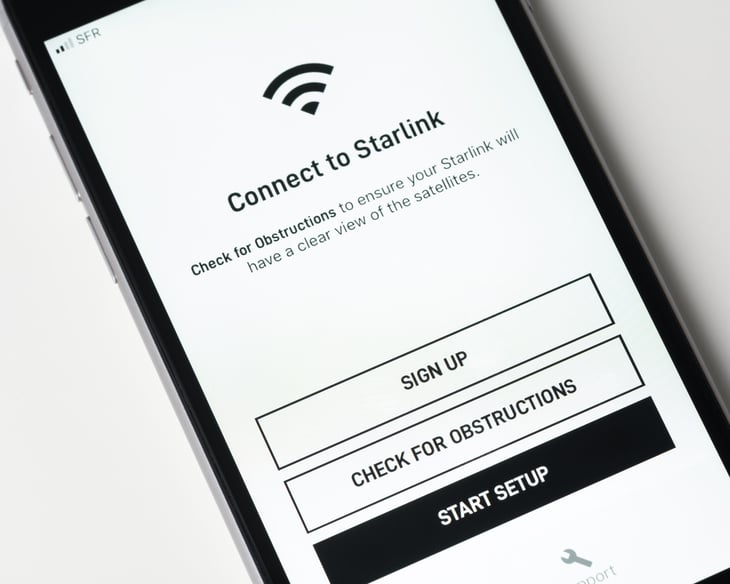
Musk’s Starlink project, under SpaceX, has launched thousands of satellites to deliver high-speed internet to remote parts of the world. In crises like Ukraine, Iran, and Gaza, Starlink has become a vital tool, often deployed alongside or after USAID-led efforts.
Though Musk promotes it as a way to ensure open internet access, its overlap with USAID’s mission to strengthen communication infrastructure in fragile regions is hard to ignore.
This surge in alternative networks signals a shift — reliable connectivity no longer has to come at a premium. If satellite internet can serve entire communities during conflict, there’s no reason to overpay for basic mobile service. If you’re paying more than $15 a month for your cell service, click here to save a bundle.
2. Emergency deployment in conflict zones
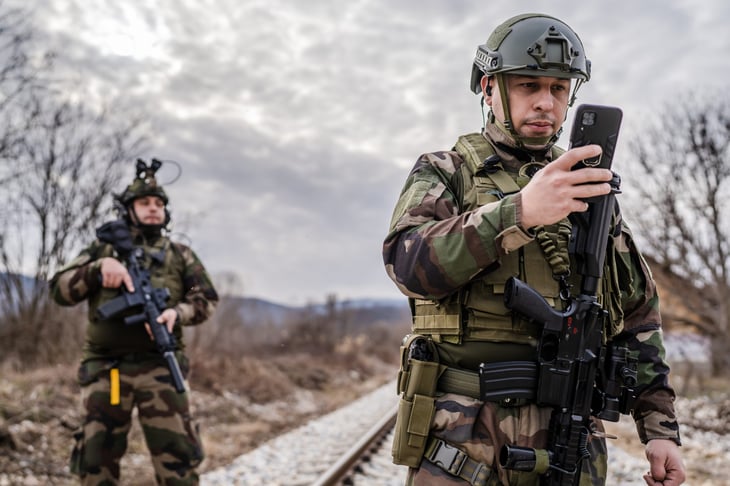
In multiple global hotspots, including Ukraine and Sudan, Starlink terminals have been provided either by Musk’s companies or coordinated through international partnerships. USAID has reportedly played a role in delivering or facilitating some of these deployments.
Though their motivations differ — national security vs. humanitarian access — their efforts often converge in the same regions, revealing a shared interest in rapid-response communications infrastructure.
Coordinated responses can cut through chaos and deliver critical support when it matters most. The same principle applies when navigating complex systems at home, including healthcare. Get unbiased Medicare guidance and compare plans today.
3. Renewable energy and off-grid solutions
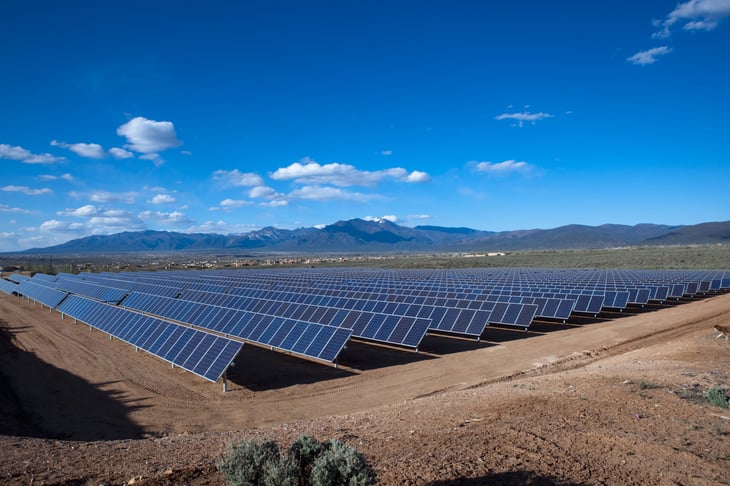
USAID has a longstanding commitment to expanding clean energy in developing countries. Tesla’s solar and battery technologies — particularly the Powerwall and Solar Roof — offer scalable off-grid solutions in remote and disaster-stricken regions.
While Musk’s tech is generally marketed to individual consumers, USAID’s focus on resilient infrastructure for essential services could drive more public-private collaboration in this space. The growing emphasis on long-term stability — both in energy and economics — is a reminder that securing your future often means preparing for volatility in advance.
Gold has historically been a reliable investment for protecting your savings. Open a gold IRA to help shield your savings from inflation, market swings, and economic uncertainty.
4. Logistics innovation for aid delivery
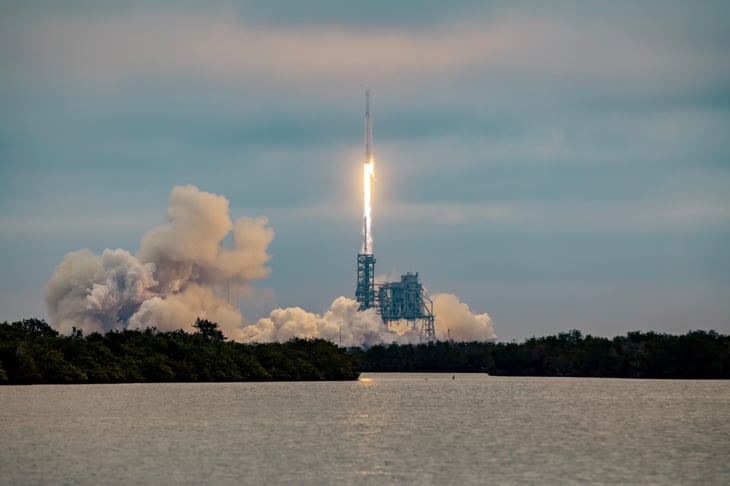
SpaceX’s advancements in reusable rockets and high-speed cargo delivery systems could eventually revolutionize humanitarian logistics. While still in early stages, there’s growing interest in how rocket-based freight systems could cut delivery times in emergencies.
USAID’s investments in logistics and last-mile delivery make it a natural observer — or even future partner — in tech innovations that can deliver medical supplies or food in record time.
Emergencies strike fast — whether it’s delayed aid or a surprise car repair. With costs averaging $4,000 today, Endurance gives you access to certified repair shops and covers the bill upfront. Get a free quote today!
5. Disrupting traditional telecom models

Many regions where USAID operates are dominated by monopolized or unstable telecom infrastructures. Starlink circumvents traditional carriers entirely by offering direct satellite service — a feature both promising and controversial.
As USAID looks to expand secure communication channels in politically sensitive zones, Starlink could offer an alternative but challenge the status quo of aid partnerships with local governments.
You don’t need to rely on traditional banks to grow your money either. Earn as much as possible on your emergency savings — for example, SoFi Checking is offering 3.8% interest, plus a potential $300 signup bonus. (May change without notice.)
6. Space diplomacy and tech-driven soft power

USAID serves as a key arm of U.S. soft power. Likewise, Musk’s ventures — from Mars colonization to Starlink coverage — expand the nation’s global technological footprint. While Musk operates privately, the geopolitical implications of his reach inevitably attract public sector attention.
Both players are shaping narratives around innovation, freedom, and resilience — albeit from very different playbooks.
Expanding your financial footprint can be just as strategic. One modern way to diversify is with real estate and venture capital. Companies like Fundrise offer investments as small as $10. Note: This is a testimonial in partnership with Fundrise. We earn a commission from partner links on moneytalksnews.com. All opinions are our own.
7. Ethical tensions and policy gaps
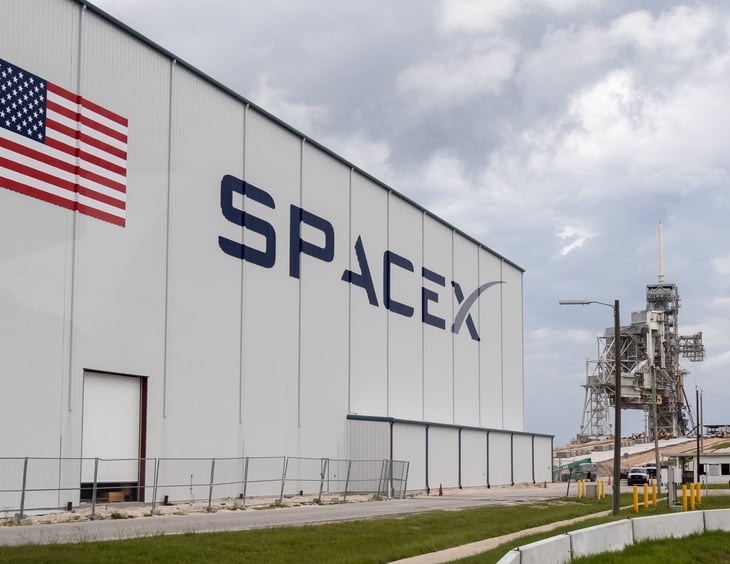
Questions emerge as private companies like SpaceX and Tesla step into domains traditionally managed by governments or international agencies. Who controls access to these tools? Who decides where and when they’re deployed?
USAID’s accountability frameworks contrast sharply with Musk’s individualistic and often fast-moving style. Balancing agility with oversight may become one of the defining tensions of this evolving relationship.
When the stakes are high, expert guidance matters. If you’ve got at least $100,000 in investments, check out a free service called SmartAsset. You fill out a short questionnaire and instantly get matched with up to three vetted financial advisors in your area.
This convergence could redefine global aid
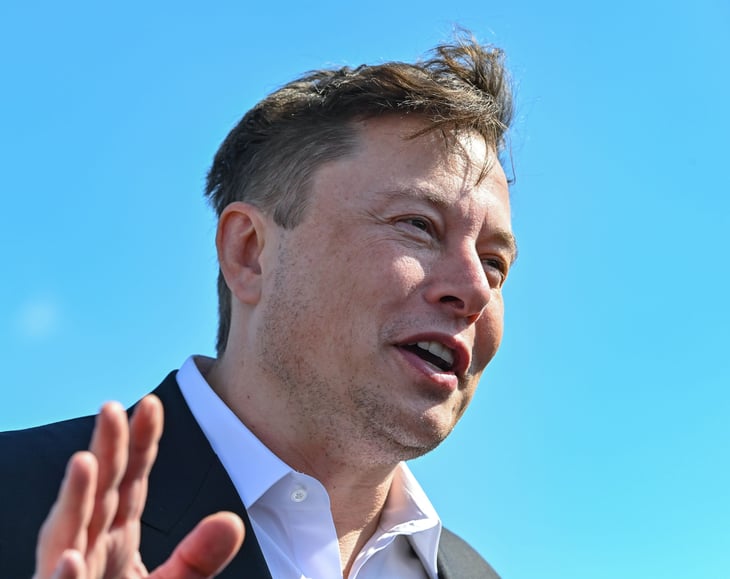
While there’s no formal partnership between Elon Musk and USAID (yet), the frequency and significance of their overlapping missions suggest a growing interdependence between big tech and global aid.
As crises become more complex and tech becomes more essential, we may see deeper coordination between private visionaries and public institutions, or at the very least, more frequent intersections.
Pro Tip: Want to save time, money, and stress while protecting your family? Where there's a will, there's a way.

Add a Comment