


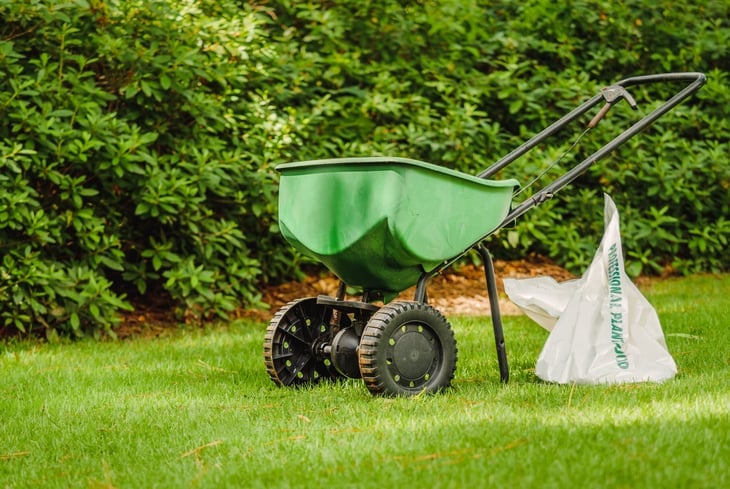
Editor's Note: This story originally appeared on LawnStarter.
Fall fertilizers determine how your lawn handles the winter stress and bounces back in the spring. They can boost or ruin your grass’s health, so plan the application carefully.
The best time to apply fall fertilizer is usually September through November, but here’s the thing — it depends on your grass type and location. Get the timing right with this rule: Fertilize when soil temperatures reach 50 F to 65 F for cool-season grasses. For warm-season varieties, aim for 65 F to 75 F.
Fall Fertilization Depends on Grass Type and Climate
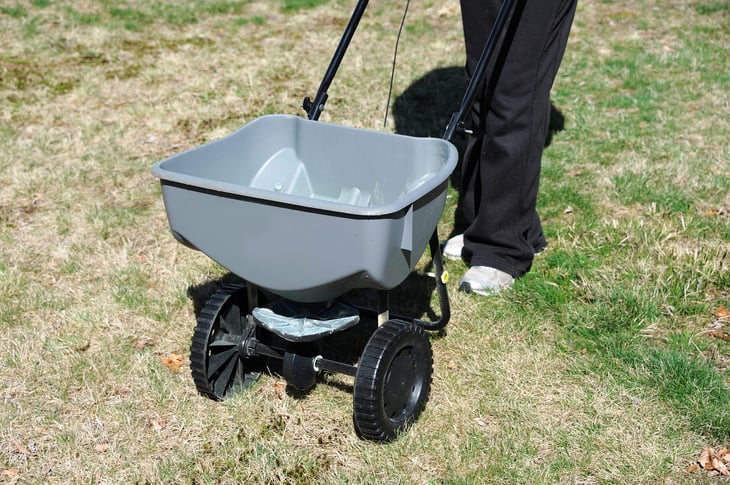
Should you fertilize in the fall?
That’s a strong YES for cool-season grasses. These species are actively growing in the fall and need a nitrogen boost around Labor Day and, in some cases, a second application in October or November.
Warm-season varieties, on the other hand, slow their growth in the fall. For warm-season grasses, fall fertilization is optional and should happen as early as possible to ensure the turf can still absorb nutrients and avoid delaying their winter dormancy.
For both grass types, the best time to apply fall fertilizer changes as you move from north to south across the country.
Cool-Season Grasses in Northern Regions
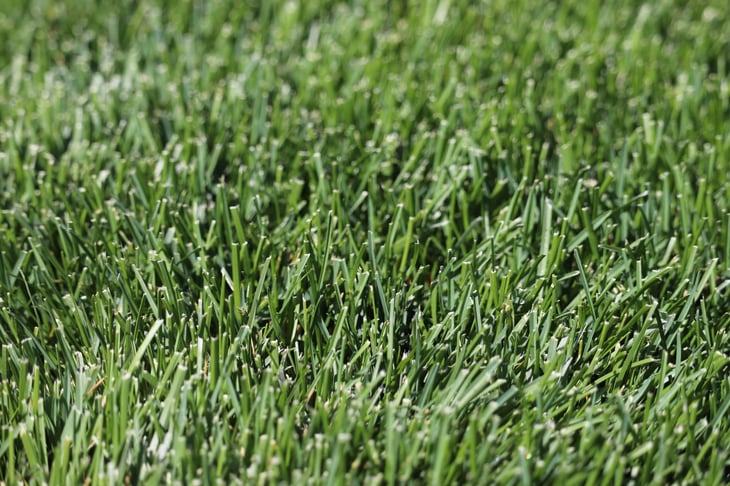
Fall is cool-season grasses’ second growing season, so fescues, Kentucky bluegrass, and ryegrass benefit the most from fall fertilizers, enjoying:
- Thicker, healthier grass
- Increased winter hardiness
- Prolonged green color
- Faster spring green-up with stronger roots
Because of milder summers and harsher winters, northern regions start and finish fall lawn care earlier. Check the guidelines below for timing and cues to help you figure out when to fertilize in the fall in your area:
Early Fall Application (Essential)
- Mid-August to early September
- Soil temperature under 65 F
- 6 to 8 weeks before the first frost
- Grass turns green if it turns brown in the summer
Late Fall Application (Optional)
- Mid-September to late October
- Soil temperature over 50 F
- 2 to 3 weeks before ground freeze
- Grass is still green
In some of our coldest states (North Dakota, Maine), fall fertilizing usually starts in August, when summer temps drop, and wraps up by mid-September.
Moving south, the season shifts later. In states like Kansas and Missouri, the fall fertilization window is early September to early November.
Use a high nitrogen fall fertilizer with slow-release nitrogen, potassium and phosphorus — it supports fall growth and winter hardening. For late fall, select a fertilizer with quick-release nitrogen.
Don’t apply fall grass fertilizer on frozen ground. Plants can’t absorb it, and it will run off with the snowmelt, polluting the groundwater.
Transition Zone in the Middle of the Country
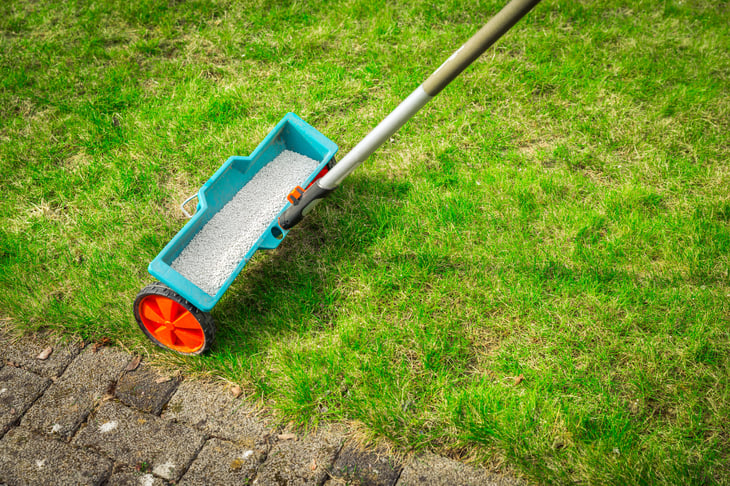
The middle of the U.S. (called the transition zone) grows both warm-season and cool-season grasses, so fall fertilizing schedules vary.
We’ll talk first about cool-season grasses in the transition zone and then warm-season grasses.

Cool-Season Grasses in Transition Zone
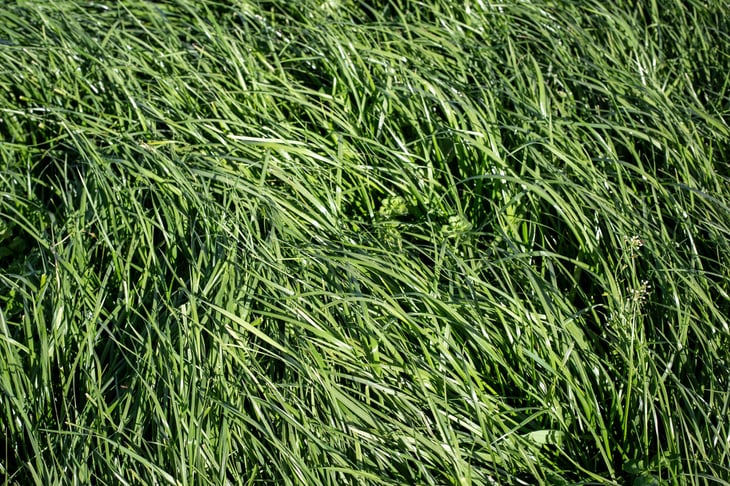
Summers are hotter and longer than up north, so there’s more risk of fertilizing cool-season grasses too early. Follow the cues in this chart to get the timing right.
Early Fall Application (Essential)
- Late August to mid-September
- Soil temperature under 65 F
- 6-8 weeks before first frost
- Grass turns green if it is brown in the summer
Late Fall Application (Optional)
- Mid-October to mid-November
- Soil temperature over 50 F
- 2 to 3 weeks before ground freeze
- Grass is still green
Wait until daytime temps stay below 80 F for a week before fertilizing. Go too early and you risk fertilizer burn and runoff — the grass is still dormant from summer, so it can’t absorb nutrients fast enough.
Some states restrict fertilizer use in late fall. Check local rules before buying fall fertilizer for your grass. For example, Maryland bans phosphorus fertilizers year-round and prohibits nitrogen from Nov. 15 to March 1 to protect the Chesapeake Bay.
Warm-Season Grasses in Transition Zone
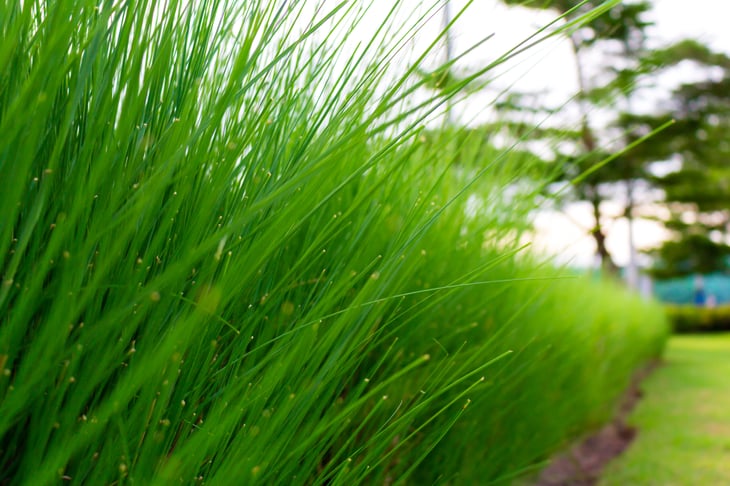
Warm-season grasses (Bermuda, Zoysia, centipede, St. Augustine, and bahia) thrive from late spring to late summer and go dormant in the winter, which comes early in the transition zone.
If you need to feed your lawn with a fall fertilizer, the best time is mid-August through September.
Here are the ideal conditions for fall fertilization for warm-season grasses:
- Mid-August through September
- Soil temperature of 65 F to 75 F
- 6-8 weeks before first frost
- Grass appearance still green, not dormant
Avoid fertilizing with nitrogen later than August, as this can delay dormancy and increase the grass’s susceptibility to winter damage. The best time to fertilize warm-season grasses with nitrogen is late spring to early summer — the beginning of their growing season.
Note: If you need to fertilize with nitrogen in the fall, Texas A&M University recommends using a fertilizer with quick-release nitrogen.
In September, you can apply a potassium-only fertilizer that helps the grass better withstand the cold. Use phosphorus only if the lawn is deficient and the local rules allow it.
Warm-Season Grasses in the Southern U.S.
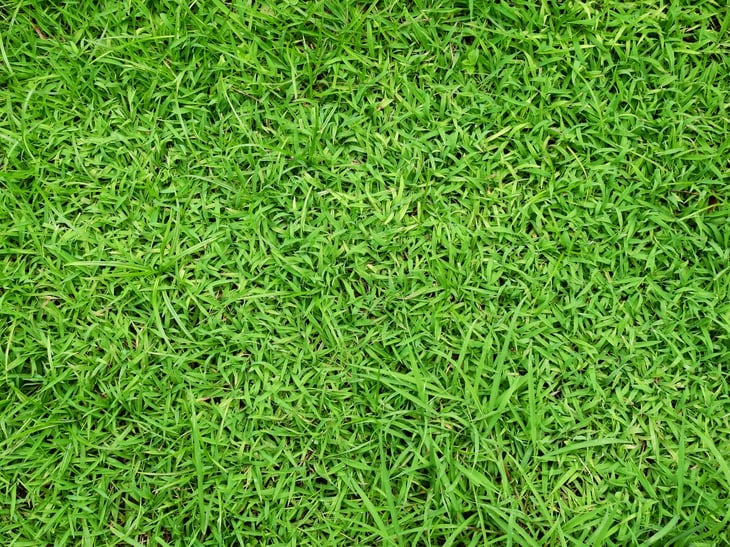
The further south you live, the longer warm-season grasses keep growing. Fall fertilizing is still debatable — if you fed your lawn enough in spring and summer, skip it. But if your lawn needs it, you have a bigger window to apply it.
Here’s when to apply fall fertilizer in southern states:
- September through October
- Soil temperature of 65 F to 75 F
- 6-8 weeks before first frost
- Grass appearance is green
Fall fertilizing might be necessary when:
- You maintain a high-end lawn (short, dense, golf-course quality)
- You live in Florida (summer fertilizer ban) and grow hungry grasses like Bermuda or St. Augustine
- Your lawn lacks potassium (needed for winter hardiness)
If you need to apply nitrogen, follow University of Arizona guidelines: no more than 0.25 to 0.50 pounds per 1,000 square feet. Otherwise, stick to potassium-only fertilizer.

Add a Comment