


After multiple bouts of severe thunderstorms and tornadoes near my home in Iowa, I started to reconsider my long-term home improvement strategy.
It was time to start thinking of my home as a first line of defense against extreme weather events — a line that needed hardening in order to withstand the unpredictable and the unprecedented.
Data from the Environmental Protection Agency shows that extreme weather events are likely to become more frequent and more intense. In major metropolitan areas across the nation, the average heat wave season lasts 46 days longer today than it did in the 1960s. And in the U.S., 90% of the years with the most extreme single-day precipitation events have occurred in the last 30 years.
Regardless of your beliefs about the cause and extent of climate change, bracing your property for extreme weather patterns is just good planning. Working within a limit of roughly $500 per project, here are some ways to make your home less vulnerable to damage during wild weather.
1. Prune overhanging tree branches
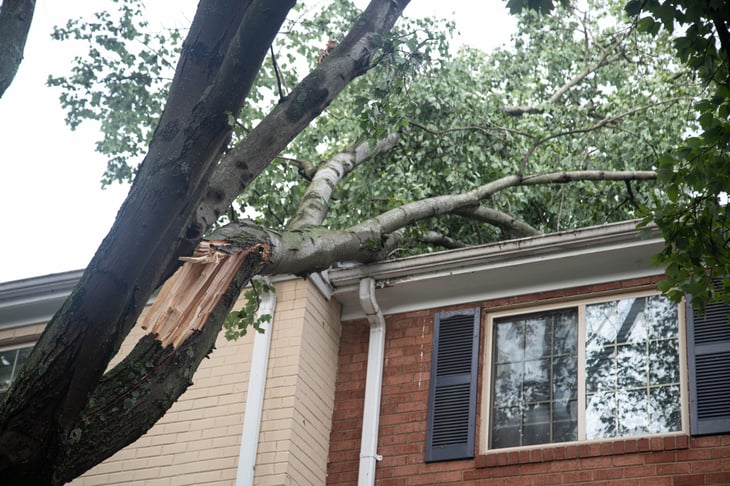
In high winds, overhanging branches can fall and damage roofs. But branches that are simply too close to your home can be a threat too — destroying siding and trim, scraping windows, and pulling on gutters.
Can’t afford to prune all the trees on your property? Trim one or two at a time, focusing on the largest and most precarious branches that overhang rooflines, sidewalks, powerlines, or driveways.
2. Extend downspouts
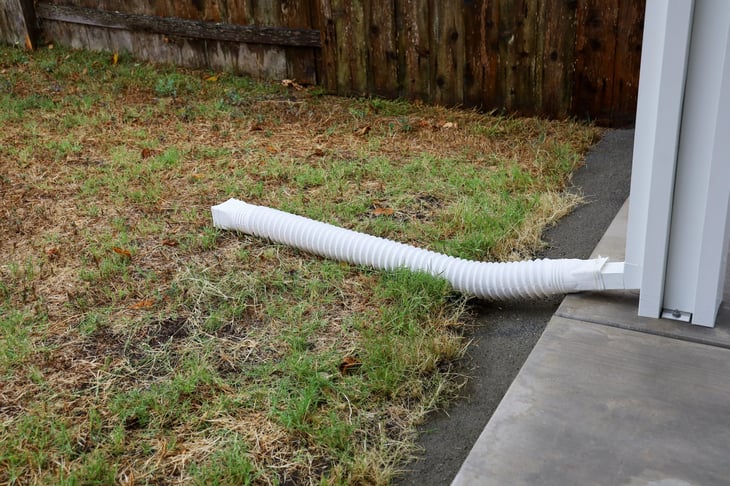
Water is the enemy of your home. From a light sprinkle to a heavy downpour, the goal is to divert water from foundations and basements as quickly as possible.
According to this gutter and downspout tutorial by Ask This Old House, downspouts should run 3-4 feet horizontally. Thankfully, extending downspouts is a fairly inexpensive project. Many downspout extensions cost less than $20.
3. Remove old TV antennas
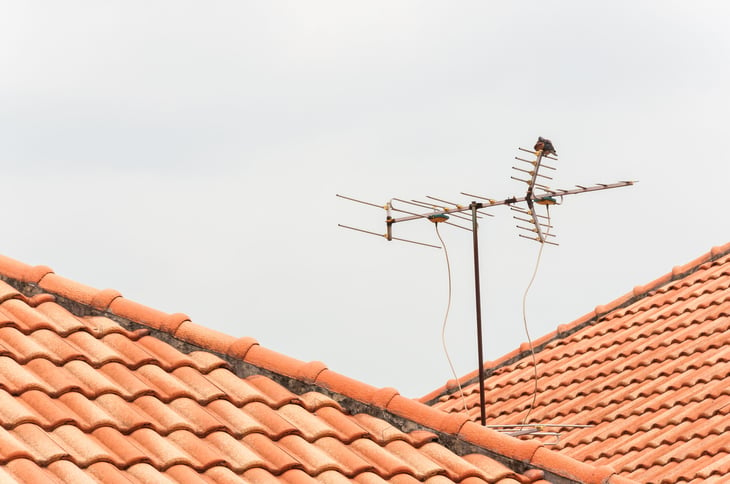
The Digital Age has rendered roof-mounted antennas practically obsolete. Like overhanging branches, these metal “limbs” can become dangerous projectiles in heavy winds, easily piercing roofs, skylights, and windows.
Pro tip: To avoid leaving holes in your roof, it’s often easier to remove the antenna but keep the metal roof mount in place. If you decide to remove both, choose a contractor who’s willing to patch the small holes and share before and after photos.
4. Check concrete grading
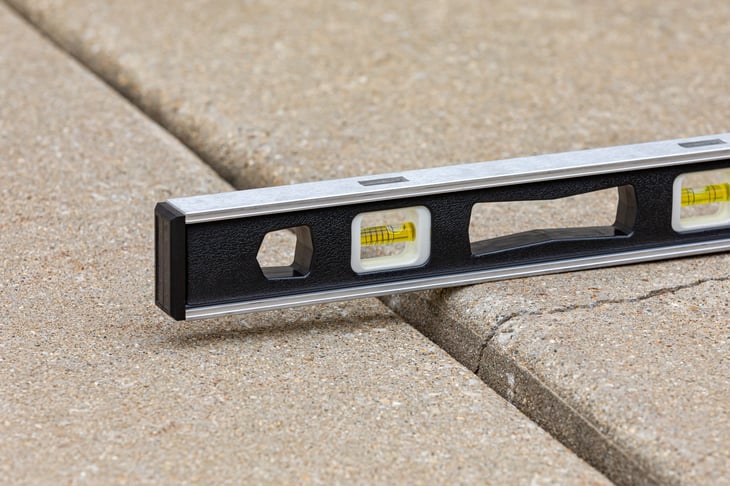
Over time, concrete walkways and driveways can settle and shift. And a concrete surface that’s sloped toward your house is defeating the purpose of gutters and downspouts.
A concrete leveling and lifting service can solve this problem by drilling small holes through the concrete and injecting mud or synthetic foam under it. When targeted properly, the injected material lifts and repositions the slab.
Often referred to simply as “mudjacking,” costs for this service vary widely based on materials and square footage. According to Angi, the average price range in 2024 is $325-$3,500.
5. Invest in a generator

According to the U.S. Energy Information Administration, electricity customers experienced an average of 5.5 hours of interrupted power in 2022. Besides being inconvenient, loss of power can lead to serious property damage.
During a thunderstorm or major downpour, a gas-powered generator can be an immediate lifeline to keep essential systems such as a sump pump working. Days after, wet/dry vacuums, AC units and dehumidifiers will help prevent mold growth if flooding did occur.
Not sure where to begin? Consumer Reports offers a handy guide for choosing the right generator. This portable 3600-watt model by WEN costs $489.21 at Home Depot.
6. Replace basement windows

Basements (especially the unfinished variety) are usually damp. That means basement window frames end up rusty or rotted.
A few friends of mine have solved this potential water intrusion problem by installing glass block windows. This solution lets the light in but provides a permanent waterproof barrier without the high price of traditional custom replacement windows.

If egress isn’t a concern, explore prices online and replace one window at a time. The Glass Block Supply Co. has options ranging from $82.15 to $405.37.
7. Seal basement walls
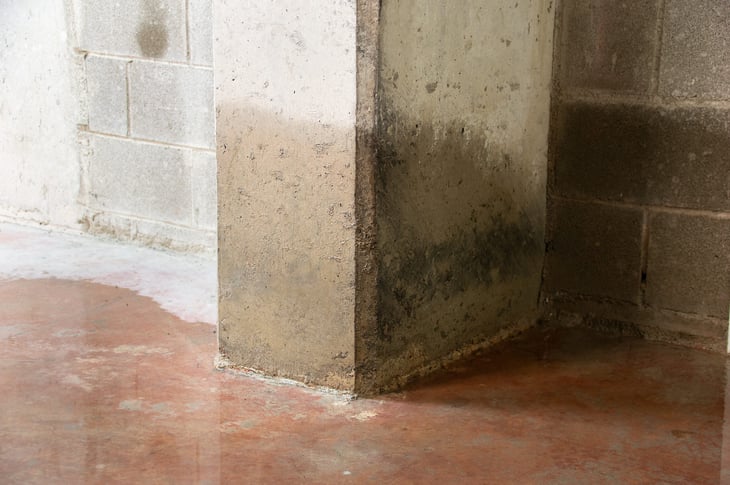
For homes set on stone, brick or concrete block (as opposed to poured concrete), it’s important to seal against moisture.
Waterproof paint is an affordable, low-tech solution — perfect for a motivated DIYer. At Ace Hardware, a gallon of Drylok Latex Waterproof Sealer costs $44.99. It can be applied with a standard paint roller and typically requires three coats for maximum seal.
If you take this on as a weekend project, carefully follow the manufacturer’s safety guidelines for proper ventilation and protective equipment. The fumes can be … intense.
Want to learn more about sealing products and processes? This Old House offers a comprehensive guide on basement waterproofing.
8. Plant fast-growing, water-absorbing vegetation

Do you live in a flood-prone area? Consider adding plants, shrubs and fast-growing trees to your yard. The root systems of plants and trees absorb more water than traditional lawns and slow the movement of ground water during rainstorms.
Choose species appropriate to your area based using the USDA’s Plant Hardiness Zone Map. Typically, native plant varieties require less TLC, and you’ll spend less time (and money) replacing dead starters.
9. Rethink outdoor living

I’m all for chilling and grilling on the back patio, but let’s think strategically. Items left outside during a thunderstorm, hurricane or tornado can quickly become projectiles.
Choose outdoor furniture that you can easily fold-up, carry and store in a shed or garage. Likewise, choose a grill on wheels that’s easy to move when threatening weather is on the horizon. The same goes for lawn ornaments, kids toys and sports equipment. If you can’t move an item inside, make sure it’s secure enough to stay put in high winds.
10. Switch to a non-combustible mulch alternative

If you live in a fire-prone area, it’s time to rethink mulch. Since its easily combustible, traditional wood and bark fiber is just fuel for hungry fires.
The University of California Agriculture and Natural Resources Fire Network (UCANR), suggests replacing traditional mulch with non-combustible materials such as gravel, pavers or decomposed granite. This is particularly important for areas within 5 feet of a dwelling. Likewise, avoid using old railroad ties or logs as a landscaping border.
11. Check your insurance

The world is changing and your homeowner’s insurance should change with it. Set aside 15 minutes this week to call your agent and review coverage. Here are a few important questions to get you started:
- What risks aren’t covered by my current policy? Is additional coverage, such as flood insurance, needed?
- Does my insurance policy cover “named storms”? Is there a named storm deductible?
- Does my coverage include additional living expenses such as temporary lodging?
- What changes can I make to my home in order to qualify for premium discounts?
Interested in learning more about climate change and insurance? Check out “How Will Climate Change Impact Homeowners Insurance in All 50 States?” by The Ascent, a product review service from The Motley Fool.

Add a Comment