


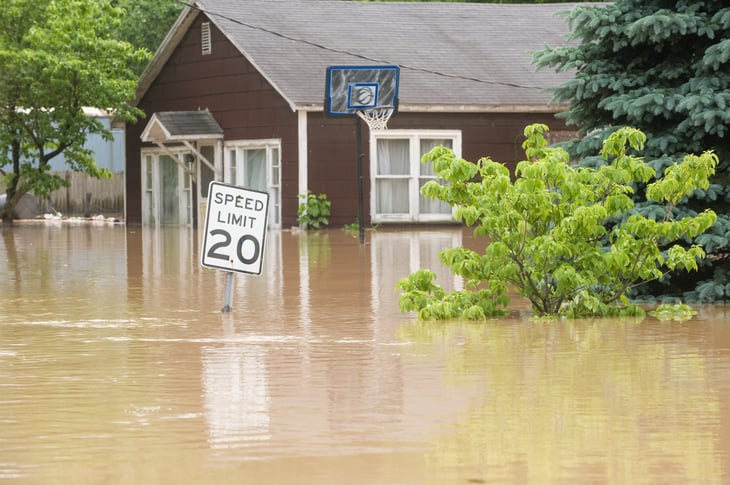
Whether it’s floodwaters inundating entire neighborhoods, wildfires threatening suburban communities, or hurricanes bearing down on coastal dwellers, a steady stream of natural disasters offers a sobering reminder of dangers that we can’t control.
In some places, the main threat is flooding; elsewhere, it’s twisters. Meanwhile, earthquakes are a constant preoccupation in some parts of the country.
We can’t prevent these disasters, but we can prepare for them. Now is an excellent time to make sure you have the right insurance coverage in the event that your house is damaged. Before we cover individual disasters, here are basic steps everyone can take:
- Read your policy. Or review it with an agent or broker to learn what is covered and what the limits are. Consider filling coverage gaps with additional insurance — an umbrella policy for added liability coverage, for example.
- Cut costs. Get the coverage you need more affordably with such strategies as seeking discounts, doing comparison shopping and increasing your deductibles.
- Inventory your possessions. You’ll save money and time when making a claim if you have a record of your home’s contents. For details, check out “6 Steps to Creating a Home Inventory — Before It’s Too Late.
Keep reading for an overview of what home insurance policies do and don’t cover when it comes to specific types of natural disasters — along with steps to take to protect yourself at a price you can afford.
Floods: Are you covered?
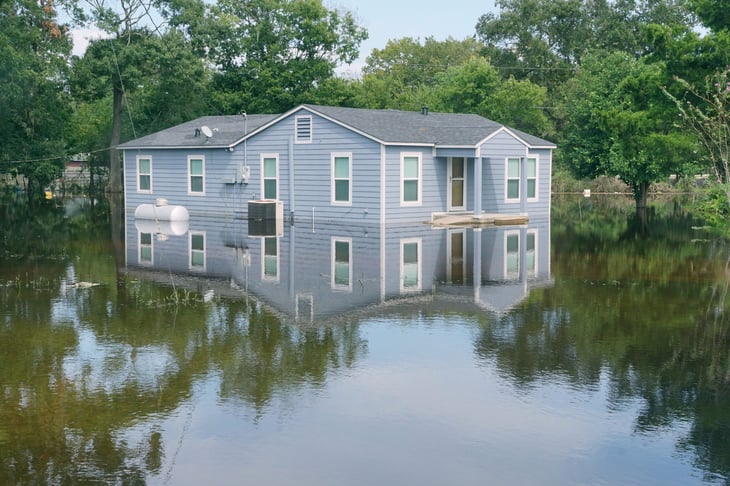
Standard homeowners and renters policies don’t protect you in the event of flood damage, according to the Insurance Information Institute. However, you can purchase flood insurance coverage.
You can get an idea of the risk of your property flooding by looking it up in the Federal Emergency Management Agency’s Flood Map Service Center.
If you live in a flood plain and have a mortgage that is federally backed, you will be required to buy flood insurance. But you may want flood insurance even if it’s not required. After all, more than 20% of claims for flood damage compensation are for properties outside of high-risk flood areas, according to FEMA.
To learn about the limitations of this type of coverage, see “5 Flood Losses That Not Even Flood Insurance Will Pay For.”
Hurricanes: Are you covered?
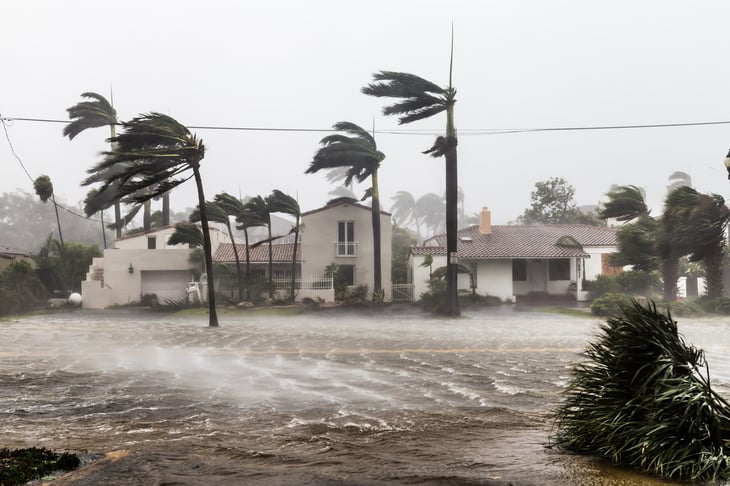
Hurricane season — which runs in the U.S. from June 1 to Nov. 30 — brings risks from high wind, rain and flooding in storm-prone regions.
Homeowners insurance typically covers wind damage from hurricanes, but hurricane coverage often has a separate, higher deductible. For example, if your home is worth $400,000 and the hurricane deductible is 3%, you’d pay $12,000 out of pocket before your insurance kicks in. So read your policy or review it with a professional to determine the limits and deductible for your hurricane coverage.
Water damage is trickier. Homeowners policies typically cover water damage only in limited instances. For flood protection — including flooding caused by a hurricane — you need to get separate insurance.

Wildfires: Are you covered?
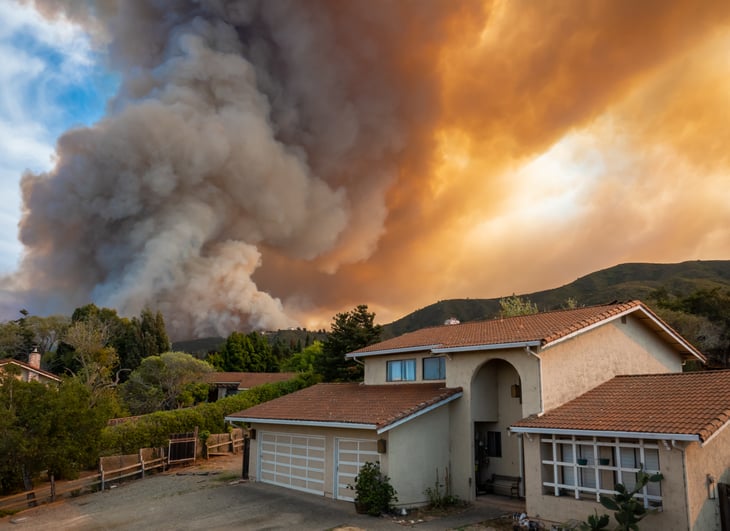
Your homeowners policy may not cover many disasters, including mudslides, sinkholes, war, pollution, mold, sewer backups, landslides, earthquakes and floods. But standard policies do protect against fire, including wildfires, says the Insurance Information Institute.
That doesn’t necessarily mean you have enough coverage for wildfires, however. The institute advises buying enough to:
- Replace your home’s structure. To tell if your coverage is adequate, ask one or two local builders to estimate the price of replacing your home. If you own an older home, the institute adds, you may not be able to buy a replacement-cost policy. Instead, you may have to buy a modified replacement-cost policy.
- Replace your stuff. A homeowners policy typically covers possessions inside the home — but with limits. You may need additional coverage to fully insure expensive jewelry, art or collectibles.
- Cover loss of use. You could spend thousands of dollars on shelter and meals while your home is being repaired. Such costs could be on you unless you get a policy with a generous allowance for loss of use.
Earthquakes: Are you covered?
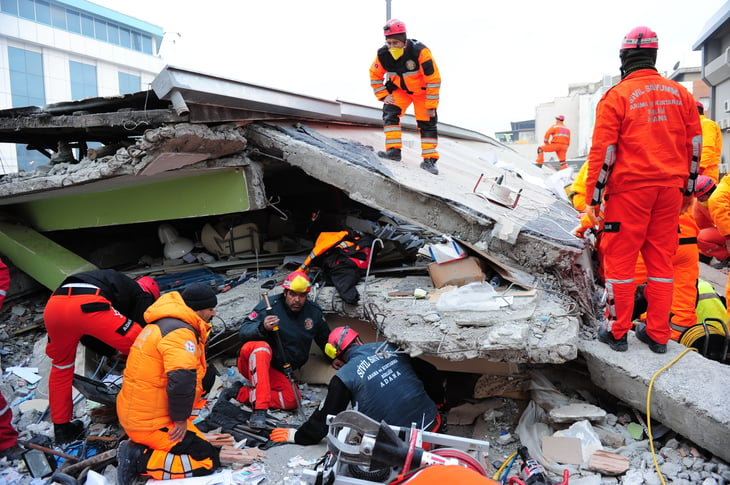
Homeowners insurance doesn’t cover earthquake damage, FEMA says. You’ll need a separate policy or endorsement on your homeowners policy. Unfortunately, the government agency notes this insurance usually has expensive premiums that put it out of reach of most homeowners.
If you are able to afford earthquake insurance, it will cover:
- Repairs to your home and attached structures
- Personal belongings
- Living expenses if your home is uninhabitable
However, quake insurance typically does not cover damage to masonry veneer or vehicles or damage caused by a flood — even if the flood resulted from an earthquake.
The National Association of Insurance Commissioners’ publication “A Consumer’s Guide to Earthquake Insurance” covers this subject in more detail.
Whether you get quake insurance or not, though, retrofitting your home to keep it from sliding off the foundation can minimize damage. Earthquake Country Alliance has more information about this on its website.

Add a Comment