


Editor's Note: This story originally appeared on LawnStarter.
Does landscaping increase home value? Not always. If you want your home to sell down the line, know that some lawn and landscape items you tackle now (or fail to address) may cost you when you sell your house.
We’ll show you lawn and landscape items that can deter buyers, based on the National Association of Realtors (NAR) 2023 Remodeling Impact Report.
The key takeaway: Not all landscaping is beneficial. High-maintenance or niche decor, outdated landscaping elements, and poor maintenance can deter buyers and lower your home’s market value.
1. Artificial Grass

Despite its easy maintenance, artificial grass might lower your home’s value. Many people favor natural grass for its beauty and environmental benefits. Artificial grass, on the other hand, can be costly, and excessively hot in summer. It might also harbor bacteria, contribute to pollution, feel rough, and damage the soil.
Typically, installing artificial grass costs more than real grass. Synthetic lawns range in price from $15 to $19 per square foot, while the average cost to install sod is between $0.86 to $1.75 a square foot.
For example, to cover a 1,000-square-foot backyard with artificial turf would cost between $15,000 to $19,000. Conversely, the cost to lay sod in the same area would range from $860 to $1,750.

2. Outdoor Water Features
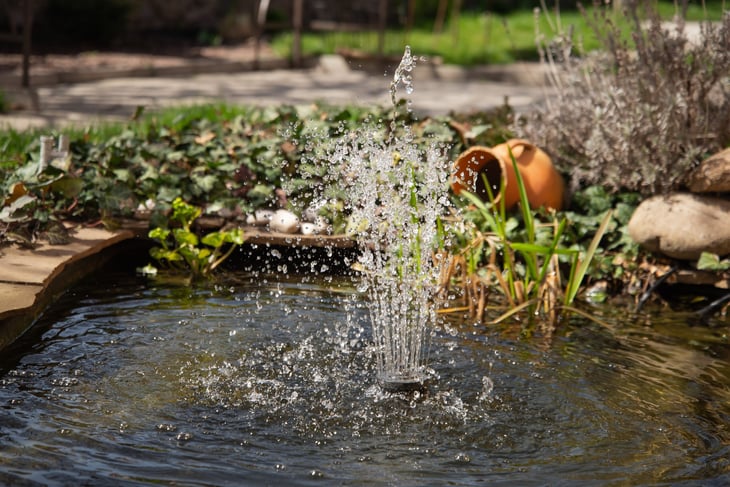
Water features may decrease a home’s value, especially if they are poorly maintained. Also, while fountains or water walls can be charming, potential buyers often perceive them as high maintenance.
Regular cleaning, winterizing, and possible repair work may lead to extra costs over time. Additionally, ponds can be a concern for families who need a safer yard for kids.
The cost of installing a pond ranges from $3,680 to $14,500. Prices vary based on the size, style, and complexity of the feature and may not yield the return on investment you’d hoped for.

3. Unkempt Landscape
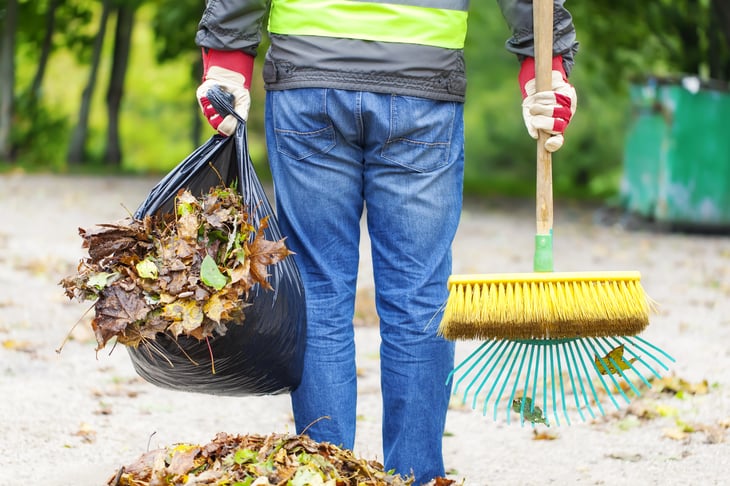
Maintaining your garden or lawn can significantly enhance curb appeal, drawing in potential buyers and boosting your property’s value. If these areas are neglected, however, it may decrease your home’s resale value as buyers could believe the house also needs a lot of work.
Weeding, mulching, and adding native plants (which require less maintenance) can greatly improve both curb appeal and resale value.
Generally, you should expect the total cost of landscaping your front and backyard to be about 10% of your home’s value. Lawn care maintenance typically costs from $133 to $370 per month, with the national average hovering around $252.
The exact cost of your landscaping installation or upkeep will depend on factors such as the size and complexity of your yard, as well as what services you need.

4. Damaged Fence
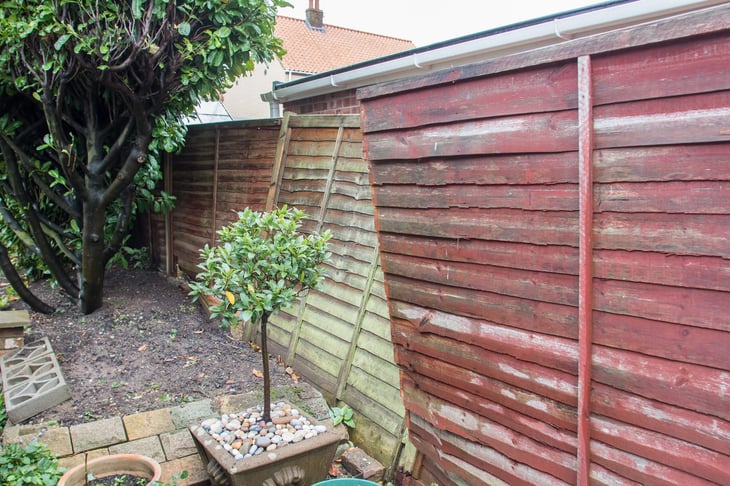
A fence in need of repair or a fresh coat of stain or paint means more work for your would-be homebuyers – or an expense they’ll have someone to fix after they move in. A damaged fence also suggests that you aren’t maintaining your property.
And if you aren’t keeping up with fence repairs outside, your potential homebuyers may wonder if you also didn’t keep up with repairs and routine maintenance inside (of your furnace, for example).
Often, wood and stone privacy fences increase property value the most. Although the return on investment can vary, well-maintained fences improve curb appeal. They also attract pet owners, offer privacy and security, and make the home appealing to a wide variety of buyers.
But whatever kind of fence you have around your home, it will need some upkeep.
Typically, homeowners spend from $255 to $685 on fence repair costs. Depending on the style of the fence and the extent of the damage, the cost can be as low as $50 or as high as $2,500. The cost to install a fence ranges from $8 to $46 per linear foot, depending on materials and labor fees.

5. Swimming Pools and Hot Tubs
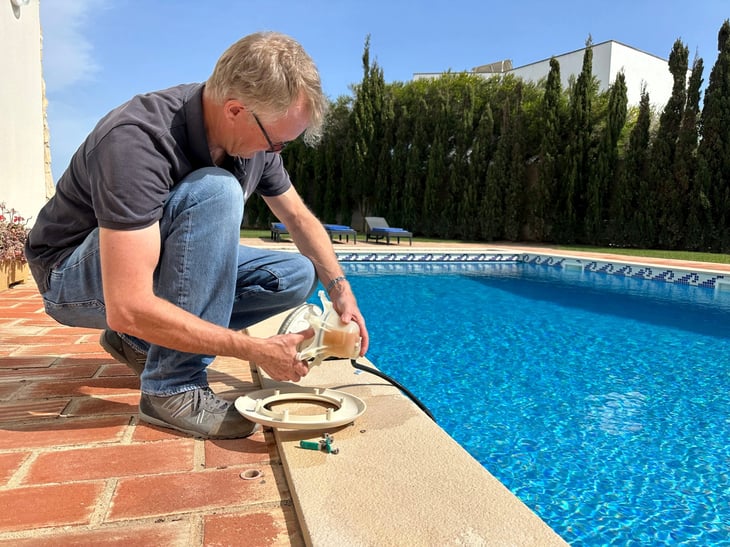
These are a tricky investment, as there are pros and cons of buying a home with a pool or hot tub. Although swimming pools and hot tubs provide relaxation and family fun, they have high installation costs, ongoing pool maintenance costs, and raise the cost of your homeowners insurance.
While the upkeep costs might deter some buyers, pools and hot tubs can increase the appeal of large luxury properties or properties in Sun Belt states like Florida, Arizona, California, and Texas, where pools are popular.
Keep in mind that pools and hot tubs are a significant investment. The average cost of installing an in-ground pool is $45,583, typically ranging from $32,408 to $60,873. As for hot tubs, the average homeowner spends approximately $6,900 on a new one, with most hot tubs costing from $4,500 to $10,000.

6. Sports Courts
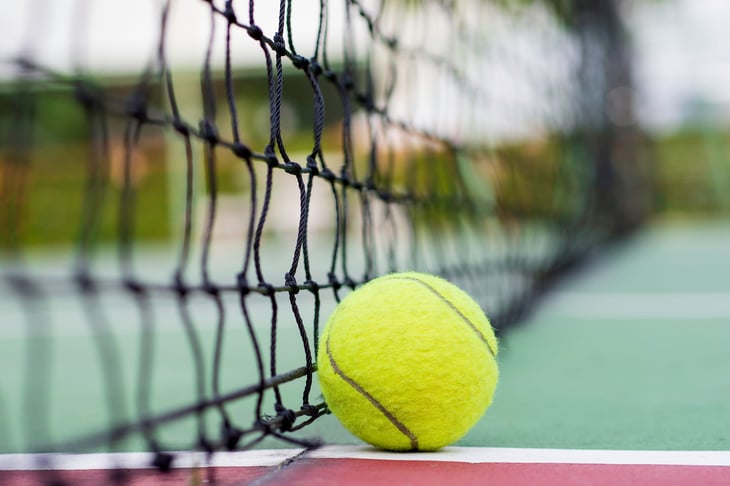
Basketball or tennis courts, or even a trendy backyard pickleball court, appeal to a niche market only, potentially reducing the number of interested buyers. These courts can also occupy a significant portion of yard space and reduce the outdoor living area.
Would-be homebuyers who have no interest in sports might even view the court as an eyesore.
And the potential cost and effort required to remove or repurpose a basketball or tennis court may deter some buyers.
If the sports court is built on a concrete slab, new homeowners may be stuck with the cost of concrete removal, which is from $2 to $7 per square foot plus disposal fees of from $51 to $100 per ton. This extra expense can influence buyers to consider another property.

7. Large Concrete Patio

Patios offer valuable outdoor living space, but large concrete patios can sometimes overshadow the backyard’s natural beauty. Potential buyers might also view the patio as a concern if the concrete is old and cracking.
Consider sprucing up the space with repairs and patio ideas that will wow potential buyers, such as a pergola, outdoor lighting, rugs, or plants.
Revamping an old patio can range from inexpensive additions such as outdoor rugs or planters for $100 or less, to more expensive improvements like the cost of a pergola, which ranges from $2,100 to $6,000 on average. Additionally, the condition of the patio can affect the cost, as substantial repairs can significantly increase expenses.

8. Fruit Trees
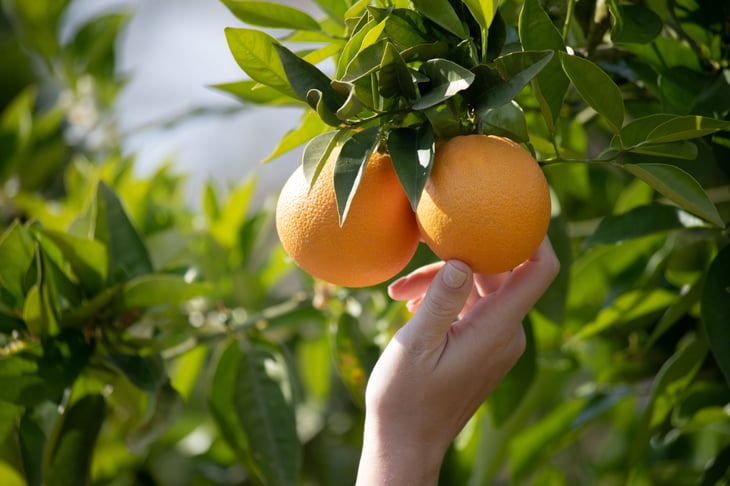
While fruit trees can beautify a property, they could potentially decrease it. This is because fruit trees require significant care and the fallen fruit can create a mess. This might deter potential buyers.
Moreover, too many trees can obstruct views or create excessive shade. It can be hard to grow grass in the shade, thus making your property less appealing.
If you’re contemplating adding trees to your property, consider choosing native species. These typically demand less maintenance and are more likely to flourish in the local climate.
It’s also crucial to pick the right site to plant a tree. Trees should be located where they won’t obstruct views, create unwanted shade, or be too close to the home, where they might cause damage if they fall in a storm.

9. Poor Drainage
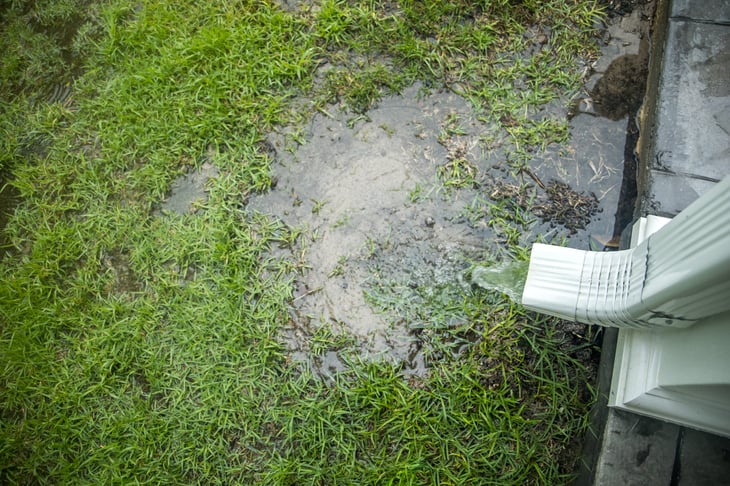
If potential buyers see standing water in your yard, they may view it as a problem they’ll need to address, which could deter them from buying the property. Here’s why: Poor drainage can negatively affect your home’s sale because it can cause soil erosion, structural water damage, and even become a breeding ground for pests.
However, there are various ways to improve your yard’s drainage before you sell.
Drainage issues can stem from compacted soil, landscape depressions, or blocked gutters, among other things.
To address these problems, you can install a French drain or a sump pump, create a rain garden, or add a rain barrel. Regularly clean your gutters and downspouts to prevent blockages and ensure proper drainage.

10. Niche or Outdated Decor
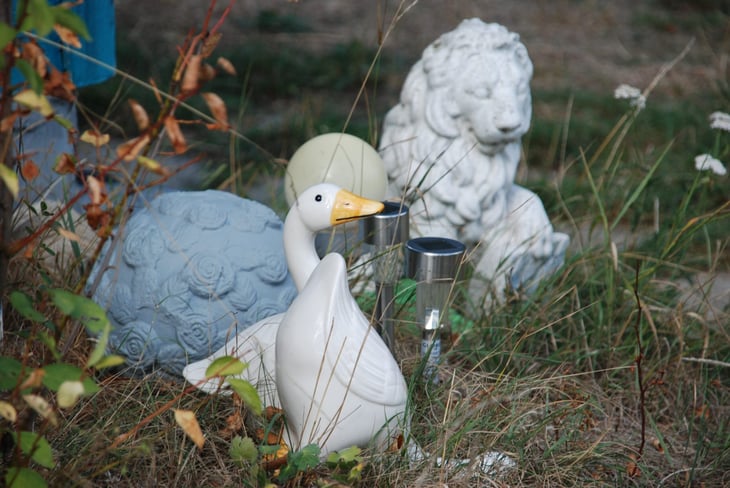
Garden decor can add personality, but too many or outdated items may decrease home value. Items such as antique furniture, worn bird baths, or rusted sculptures can appear chaotic and distract potential buyers.
The overly personal decor may not appeal to a broad range of buyers. While we may find a gnome-filled garden whimsical, it might appear cluttered or outdated to others.
Staging your yard is as important as staging your home’s interior. A well-presented lawn can increase your home’s value and curb appeal. This process includes cleaning up the yard, creating a welcoming entrance, and decluttering.
The ultimate goal of staging inside and out is to help prospective buyers envision themselves living there.

How Landscaping Affects Your Home Value
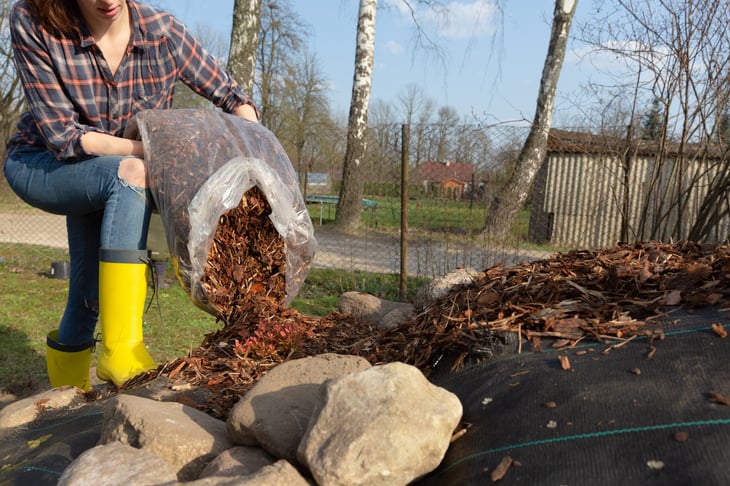
Making landscape improvements to your house can significantly raise its value and attract more buyers. When selling a house, first impressions are crucial, and prospective buyers often notice the well-kept yard first.
- A Virginia Cooperative Extension survey found that large landscaping expenditures “significantly increase perceived home value,” leading to higher selling prices.
- The Appraisal Institute also found that curb appeal is crucial when selling a home, as it sets a positive first impression.

Add a Comment