



Losing your job—whether due to a layoff, move, or other reason—comes with plenty of challenges, and health insurance is a big one. Many assume COBRA is their only option, but it’s often more expensive and complicated than expected.
COBRA lets you temporarily keep your employer’s health coverage but at full cost. Before committing, it’s crucial to understand the price, process, and more affordable alternatives that suit your situation better.
Here are the hard truths about COBRA that most people don’t realize.
1. COBRA insurance: a lifeline with a price tag

COBRA was enacted on April 7, 1986, under the Consolidated Omnibus Budget Reconciliation Act to help employees keep health coverage after job loss.
However, COBRA isn’t an insurance plan—it’s a law allowing temporary continuation of employer-sponsored coverage. Without employer contributions, costs rise significantly.
You’re responsible for 100% of premiums, plus a 2% fee—often totaling hundreds or thousands per month. While crucial for those with medical needs, comparing alternatives is essential before committing.
Pro Tip: Need quick access to funds? A home equity loan can help you tap into your home’s value affordably. see how much you can get, how fast you can get it and how little you'll pay.
2. COBRA isn’t for everyone—do you qualify?

Not everyone is eligible for COBRA, but you may qualify if you quit, were laid off (unless due to gross misconduct), or had your work hours reduced. Family members may also be eligible if the covered employee passes away or experiences a divorce.
For COBRA to apply, your employer must have at least 20 employees, including both full-time and part-time workers. Part-time employees count as a fraction of a full-time employee based on hours worked.
Some states have “mini-COBRA” laws that extend similar benefits to employees of smaller businesses with fewer than 20 employees. If you work for a small company, check your state’s regulations to see if you’re covered.
3. The price of COBRA insurance—can you afford it?

If you’re used to your employer covering part of your health insurance, COBRA’s price might shock you. You must pay 100% of the premium, plus an extra 2% administrative fee.
For a family plan, this can mean thousands of dollars per year. Some may find COBRA worthwhile to maintain coverage, but others might seek more affordable alternatives. Before committing, compare
COBRA’s cost with marketplace plans or spouse-sponsored coverage to see if there’s a better option. Exploring short-term health insurance or Medicaid (if eligible) could also help bridge the gap.
Pro Tip: If you have a high-deductible health plan, you can use a Health Savings Account to help pay COBRA premiums. Check out Lively HSAs to see if this option works for you.
4. COBRA coverage doesn’t last forever—here’s the limit

COBRA coverage typically lasts up to 18 months. In some cases, such as disability or specific family circumstances, coverage can be extended to 29 or even 36 months.
However, COBRA coverage ends early if you stop paying premiums, get new employer-sponsored insurance, or become eligible for Medicare. It can also be terminated if your former employer stops offering a group health plan altogether.
Since COBRA can be expensive, exploring alternative health insurance options before coverage runs out is a smart financial move.
5. Enrolling in COBRA isn’t automatic—here’s what you need to do

Once you leave a job, your employer has 30 days to notify the health insurance provider. Then, the insurer will send you details on enrolling in COBRA. You have 60 days to decide, but if you wait, premiums will be retroactive.
To maintain continuous coverage, make sure to complete enrollment and submit your first payment within 45 days of signing up. Missing deadlines could leave you without coverage, forcing you to pay out-of-pocket for medical expenses until you secure a new plan.
Pro Tip: COBRA costs can drain your savings quickly. If you’re struggling with large unsecured debt, consider getting professional help from National Debt Relief.
6. COBRA isn’t your only option—explore these alternatives

COBRA isn’t the only option. Many people find ACA marketplace plans more affordable, especially with subsidies. You might also qualify for a spouse’s plan, a short-term health policy, or even Medicaid, depending on your situation.
Before committing to COBRA, compare all options to find the best balance of cost and coverage for your needs. Depending on your income and household size, you could qualify for significant savings on an ACA plan that lowers monthly premiums and out-of-pocket costs.
Pro Tip: Maximizing your savings is just as important as choosing the right health plan. SoFi Checking is offering 4% interest on your savings, plus a potential $300 signup bonus—helping you grow your emergency fund faster. (Offer subject to change.)
7. COBRA comes at a cost—is it really worth it?
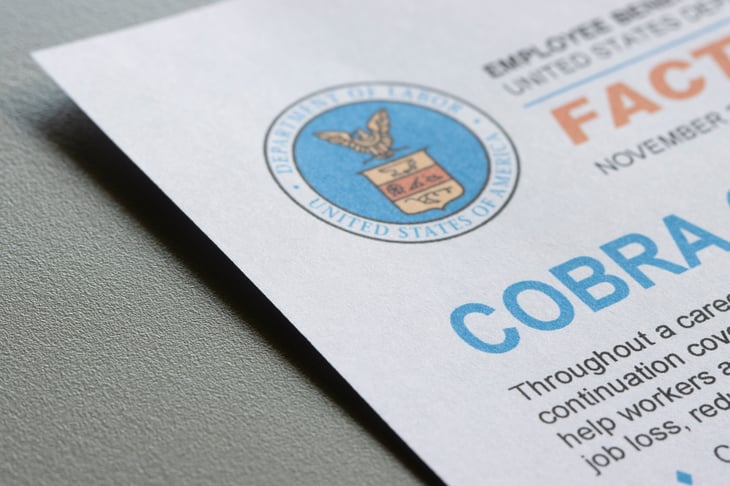
COBRA is often the easiest way to maintain uninterrupted health coverage, especially if you expect to get new employer-sponsored insurance soon. However, if you’re looking for long-term coverage, it’s worth shopping around.
Evaluate your healthcare needs, expected medical expenses, and budget before making a decision. Sometimes, an ACA plan or a short-term option may be a smarter choice.
Pro Tip: If you expect to use your health insurance soon, preventative care is essential. Book a health screening today and catch potential health risks early.
Think before you commit

Losing employer-sponsored health insurance can be stressful, but don’t let fear push you into an expensive COBRA plan without exploring alternatives.
Compare costs, evaluate your medical needs, and look into ACA plans, Medicare, or short-term coverage before making a final decision. The right choice depends on your financial and healthcare situation—so choose wisely.

Add a Comment