


Donald Trump’s second term as the 47th president of the United States makes history as only the second leader to serve non-consecutive terms.
His policies, leadership style, and influence remain as polarizing as ever, fueling intense debate over the country’s direction.
As his term unfolds, the arguments for and against him remain as passionate as ever.
1. Champion of the Economy vs. Benefiting the Wealthy
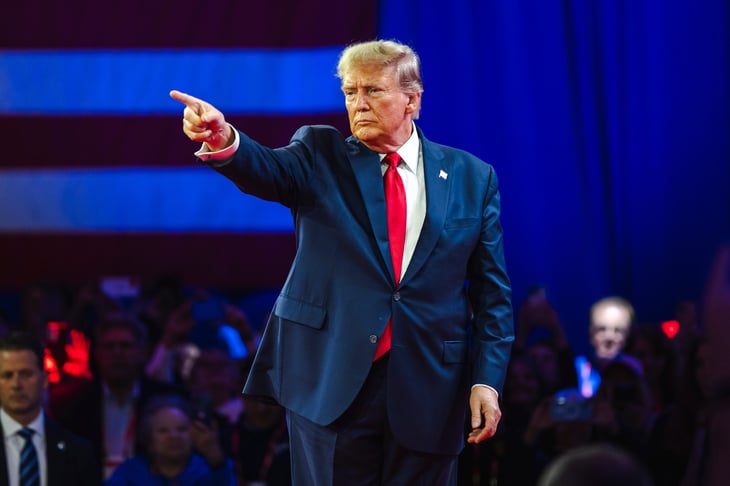
Critics counter that his tax reforms still primarily benefit corporations and the wealthy, increasing the national deficit without providing lasting relief to the middle class.
Why it matters: Economic performance is a cornerstone of Trump’s presidency, shaping voter sentiment and financial stability for millions of Americans.
A strong economy can create more opportunities for financial security, but it’s still up to individuals to make smart money moves. Even in times of growth, inflation, interest rates, and unexpected expenses can erode savings if your money isn’t working for you.
Pro Tip: Don’t let your savings sit idle. A high-yield account can help your money keep pace with inflation and unexpected costs. For example, SoFi Checking pays a competitive APY on savings, plus a cash bonus for new members who set up direct deposit—extra cash to help grow your financial cushion. (Rates may change without notice.)
Earn up to 4.40% Annual Percentage Yield (APY) on one SoFi Savings account with a 1.10% APY Boost (added to the 3.30% APY as of 10/20/26) for up to 6 months. Open your first SoFi Checking and Savings account between 10/20/26 and 12/31/27, then within 60 days of account opening receive an eligible direct deposit OR $5,000 or more in qualifying deposits. You must maintain eligible direct deposit or $5,000 in qualifying deposits every 31 days to keep the Boost, for up to 6 months. Rates variable, subject to change.
Terms apply at sofi.com/banking. SoFi Bank, N.A. Member FDIC.
2. Border Security Advocate vs. Anti-Immigrant Hardliner
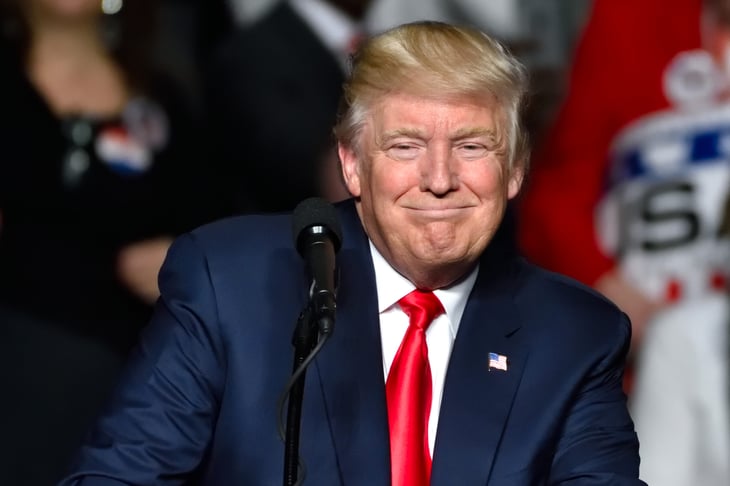
Trump’s administration has doubled down on strict immigration policies, including expanded border security measures and mass deportations.
Supporters hail these efforts as essential for national security, while opponents decry them as inhumane and discriminatory.
Why it matters: Immigration remains one of the most divisive topics in America, influencing demographics, labor markets, and social policies.
The long-term economic and cultural impacts of immigration policies will shape workforce trends and future elections.
3. Free Speech Defender vs. Misinformation Spreader
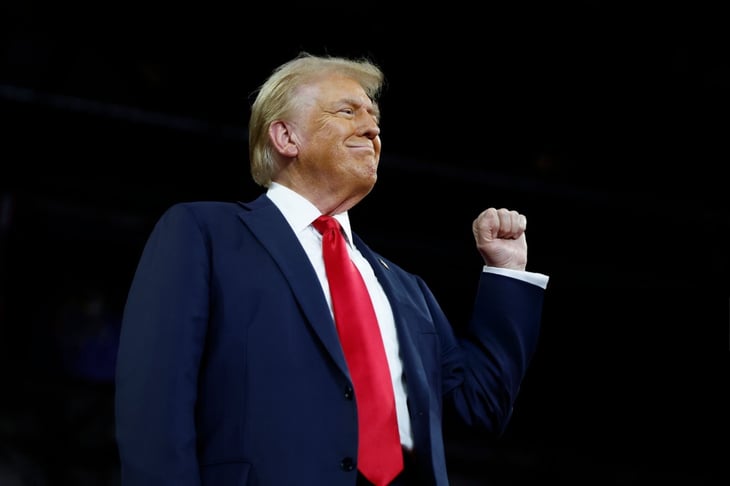
Fans view Trump as an unfiltered leader who speaks his mind and challenges political correctness. Critics argue he continues to spread misinformation, attack the media, and undermine trust in democratic institutions.
Why it matters: The balance between free speech and responsible governance is crucial in an era of rapid information sharing and political division.
Political uncertainty often leads to market volatility and economic shifts, making financial planning more important than ever. When policies change, tax laws shift or markets react unpredictably, having a solid financial strategy in place can help protect your wealth and future stability.
Pro Tip: Uncertainty in politics often brings uncertainty in the economy. If you’ve got more than $100,000 in savings, now is the time to get expert financial advice. SmartAsset offers a free service that matches you to a vetted, fiduciary advisor in less than 5 minutes—so you can stay ahead, no matter what happens.
4. Strong on Foreign Policy vs. Damaging U.S. Global Standing
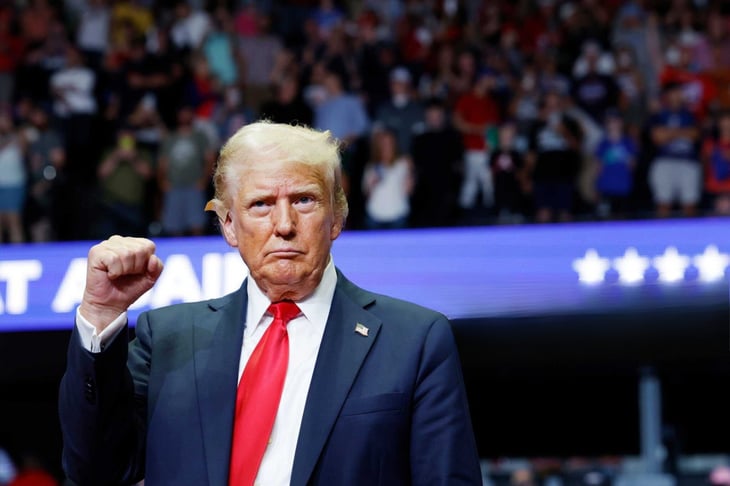
Supporters praise Trump’s hardline stance on China, renegotiated trade deals, and “America First” diplomacy as evidence of strong leadership.
Detractors claim his policies isolate allies, embolden adversaries, and weaken long-standing global alliances.
Why it matters: U.S. foreign policy affects national security, trade, and international stability.
The administration’s approach will determine how America is positioned globally for years to come.
5. Defender of Traditional Values vs. Divider of the Nation
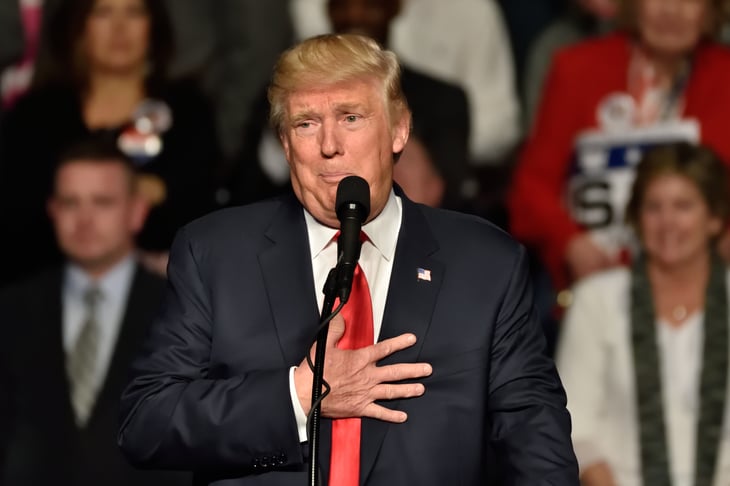
Trump’s administration has championed policies aligned with conservative values, from religious freedom protections to opposition to progressive social policies.
Critics argue his rhetoric stokes division, fueling cultural and political conflicts.
Why it matters: Cultural battles shape elections, policymaking, and national identity.
As social issues evolve, policies will reflect the shifting priorities of different voter demographics.
6. Fighter Against Corruption vs. Abusing Power for Personal Gain
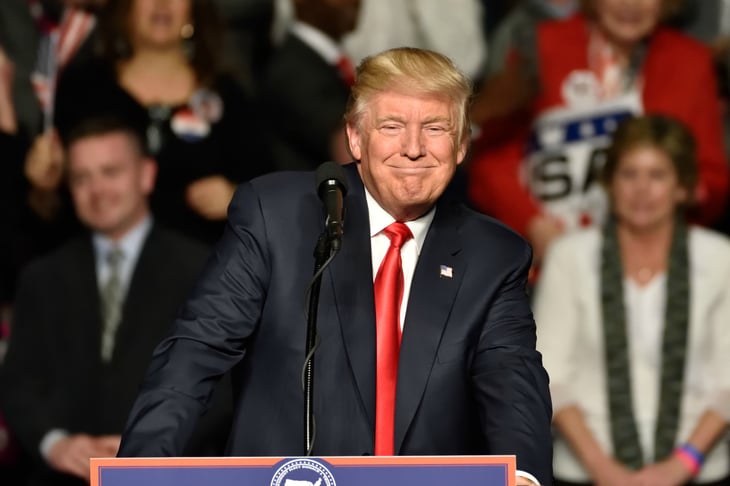
Trump’s supporters see him as an outsider fighting Washington’s entrenched political elites.
Opponents cite his impeachments, ongoing legal battles, and business entanglements as evidence of self-serving leadership.
Why it matters: Public trust in government is at stake, affecting faith in democracy and leadership accountability.
How Trump navigates ongoing legal and ethical concerns will play a significant role in shaping his legacy.
7. Business Mogul vs. Failed Entrepreneur
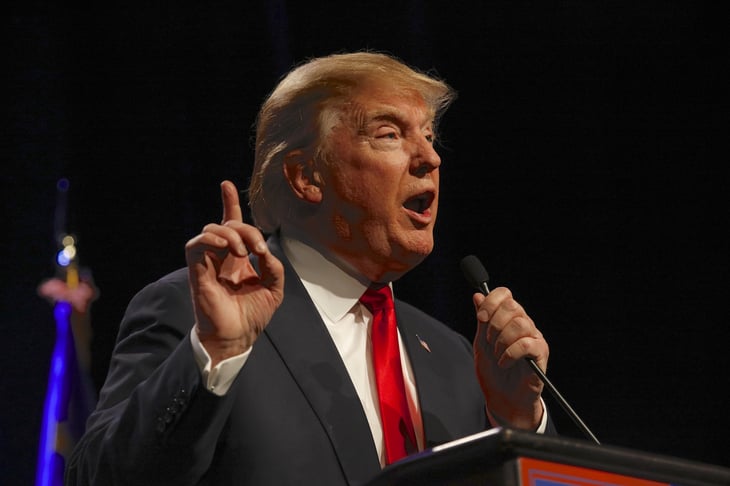
Supporters credit Trump’s business background for his economic policies and negotiation tactics.
Critics highlight bankruptcies, failed ventures, and his reliance on inherited wealth to challenge his self-made billionaire persona.
Why it matters: Trump’s business legacy influences his approach to economic policy and leadership style. His handling of financial matters remains a key talking point among supporters and critics.
For those looking to build financial independence, access to alternative funding options can be crucial—whether to invest in new opportunities, cover unexpected expenses, or take control of personal finances in uncertain economic times.
Pro Tip: Need extra funds to move forward? A personal loan can provide financial flexibility for major expenses or debt consolidation. While approval requires meeting certain qualifications, the right loan can offer competitive rates and a structured repayment plan. Apply for a personal loan and see what options are available to you.
8. Voice for the Working Class vs. Out of Touch With Everyday Americans

Many working-class voters see Trump as their champion, taking on political elites and corporate interests.
Detractors argue his policies disproportionately favor the wealthy, leaving everyday Americans behind.
Why it matters: His ability to maintain working-class support is critical to his political strength.
With rising costs and economic uncertainty, many Americans seek new ways to boost their income and gain financial independence. Whether covering essentials, saving for the future, or just creating a little extra breathing room in the budget, finding flexible earning opportunities can make a real difference.
Pro Tip: Looking for an easy way to supplement your income? You can earn up to $1,000 per month doing simple tasks from home with KashKick! It’s a convenient way to bring in extra cash on your own schedule.
9. The Future of the GOP vs. The Biggest Threat to Democracy
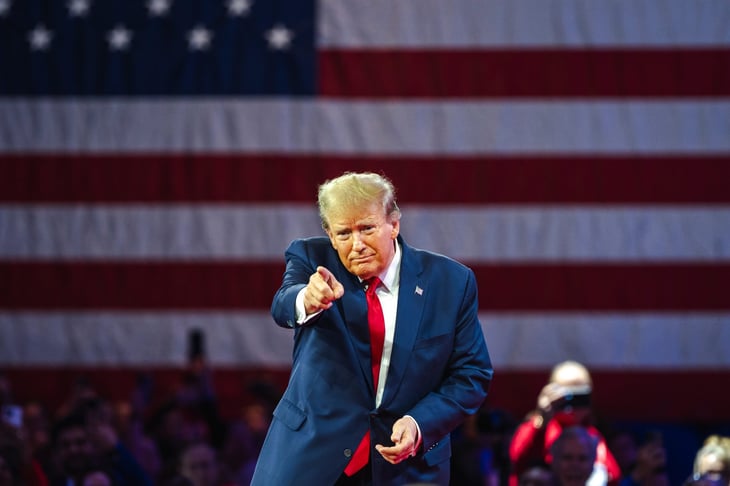
Trump’s control over the Republican Party remains unchallenged, with many seeing him as its defining leader.
Others argue that his challenges to election integrity and governance threaten democratic norms.
Why it matters: Trump’s legacy will shape American politics for years to come, influencing the future of both the GOP and democracy itself.
As political battles intensify, the direction of the party and its policies will continue to evolve.
The Trump Debate Isn’t Going Away Anytime Soon
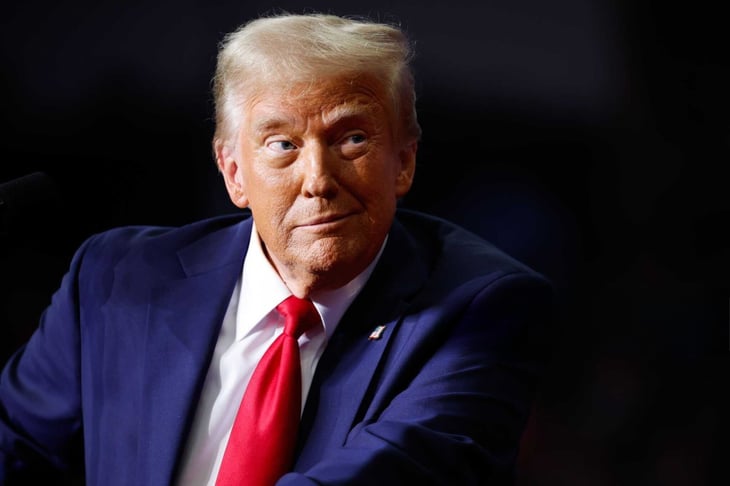
Whether you believe Trump is America’s greatest leader or its most controversial figure, his influence is undeniable.
The United States remains deeply divided on Trump’s impact. His policies, rhetoric, and political strategy continue to shape the nation, ensuring that debates over his legacy persist well beyond his second term.

Add a Comment