


Editor's Note: This story originally appeared on Cinch.
Widespread interest in exercise and gym culture is a relatively recent phenomenon in the United States.
While physical activity has always been part of daily life in some form, it wasn’t until the 1970s that going to the gym became a mainstream pursuit. Influenced by cultural icons like Jane Fonda and Arnold Schwarzenegger, and fueled by the rise of aerobics and strength training, the fitness movement began to take hold across the country.
Though the COVID-19 pandemic temporarily disrupted in-person workouts and led to a surge in at-home fitness, the popularity of gyms and other recreational fitness centers has since rebounded and continues to grow.
Today, these facilities play a crucial role in how many Americans pursue health and wellness, with access to them often correlating with better health outcomes.
To find the cities with the most gyms, researchers at Cinch analyzed the latest data from the Bureau of Labor Statistics (BLS) and the Centers for Disease Control and Prevention (CDC). Learn more about the methodology at the end.
Here are the major U.S. cities with the most fitness centers per capita.
15. Atlanta-Sandy Springs-Roswell, GA

- Gyms and fitness centers per 100,000: 16.1
- Total gyms and fitness centers: 1,006
- Share of adults that are physically active: 77.4%
- Share of adults in good health: 83.2%
- Share of adults with obesity: 34.6%
- Population: 6,237,435
14. Portland-Vancouver-Hillsboro, OR-WA
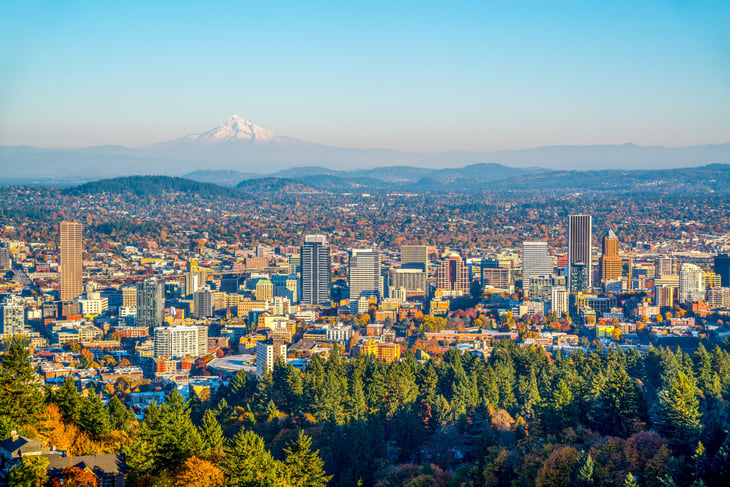
- Gyms and fitness centers per 100,000: 16.4
- Total gyms and fitness centers: 411
- Share of adults that are physically active: 82.8%
- Share of adults in good health: 84.2%
- Share of adults with obesity: 30.5%
- Population: 2,509,489
13. Richmond, VA

- Gyms and fitness centers per 100,000: 16.6
- Total gyms and fitness centers: 222
- Share of adults that are physically active: 78.0%
- Share of adults in good health: 82.7%
- Share of adults with obesity: 37.2%
- Population: 1,339,182

12. Providence-Warwick, RI-MA

- Gyms and fitness centers per 100,000: 16.6
- Total gyms and fitness centers: 278
- Share of adults that are physically active: 76.3%
- Share of adults in good health: 83.5%
- Share of adults with obesity: 31.4%
- Population: 1,673,802

11. Hartford-West Hartford-East Hartford, CT

- Gyms and fitness centers per 100,000: 16.8
- Total gyms and fitness centers: 194
- Share of adults that are physically active: 75.5%
- Share of adults in good health: 84.0%
- Share of adults with obesity: 31.6%
- Population: 1,158,069
10. Nashville-Davidson-Murfreesboro-Franklin, TN

- Gyms and fitness centers per 100,000: 16.9
- Total gyms and fitness centers: 351
- Share of adults that are physically active: 74.2%
- Share of adults in good health: 81.5%
- Share of adults with obesity: 34.3%
- Population: 2,072,283

9. Austin-Round Rock-San Marcos, TX
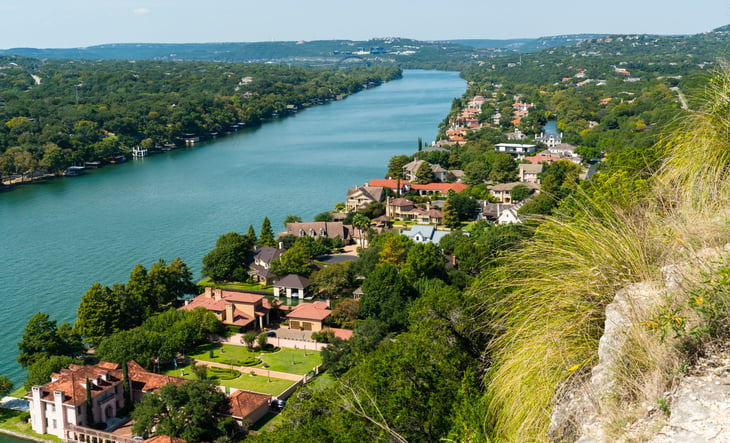
- Gyms and fitness centers per 100,000: 17.3
- Total gyms and fitness centers: 418
- Share of adults that are physically active: 78.7%
- Share of adults in good health: 83.3%
- Share of adults with obesity: 30.8%
- Population: 2,421,115

8. Miami-Fort Lauderdale-West Palm Beach, FL
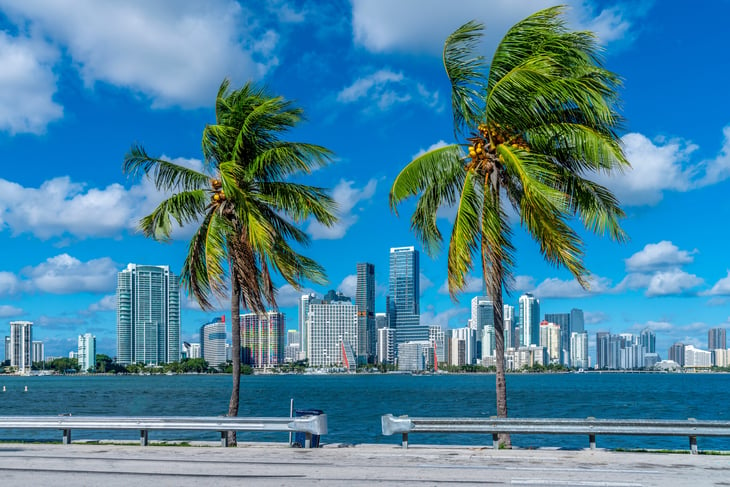
- Gyms and fitness centers per 100,000: 17.4
- Total gyms and fitness centers: 1,067
- Share of adults that are physically active: 70.9%
- Share of adults in good health: 77.8%
- Share of adults with obesity: 30.7%
- Population: 6,139,340
7. San Francisco-Oakland-Fremont, CA

- Gyms and fitness centers per 100,000: 17.5
- Total gyms and fitness centers: 802
- Share of adults that are physically active: 81.7%
- Share of adults in good health: 85.2%
- Share of adults with obesity: 22.0%
- Population: 4,579,599

6. San Jose-Sunnyvale-Santa Clara, CA
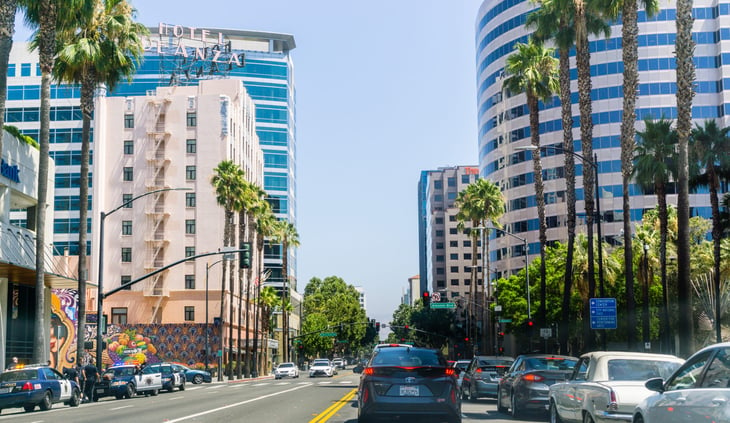
- Gyms and fitness centers per 100,000: 17.6
- Total gyms and fitness centers: 341
- Share of adults that are physically active: 80.2%
- Share of adults in good health: 84.5%
- Share of adults with obesity: 22.4%
- Population: 1,938,524

5. San Diego-Chula Vista-Carlsbad, CA
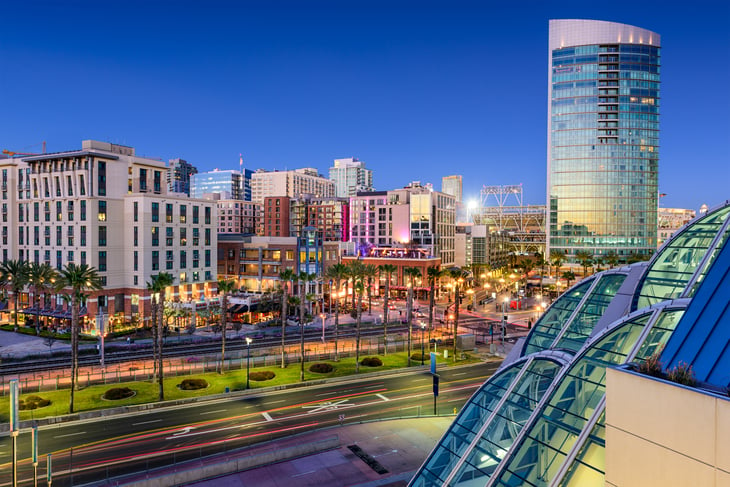
- Gyms and fitness centers per 100,000: 18.9
- Total gyms and fitness centers: 620
- Share of adults that are physically active: 81.5%
- Share of adults in good health: 83.3%
- Share of adults with obesity: 25.3%
- Population: 3,276,208
4. Denver-Aurora-Centennial, CO

- Gyms and fitness centers per 100,000: 19.1
- Total gyms and fitness centers: 571
- Share of adults that are physically active: 82.3%
- Share of adults in good health: 85.2%
- Share of adults with obesity: 25.9%
- Population: 2,985,871

3. Boston-Cambridge-Newton, MA-NH

- Gyms and fitness centers per 100,000: 20.8
- Total gyms and fitness centers: 1,018
- Share of adults that are physically active: 80.8%
- Share of adults in good health: 86.4%
- Share of adults with obesity: 26.7%
- Population: 4,900,550

2. Charlotte-Concord-Gastonia, NC-SC
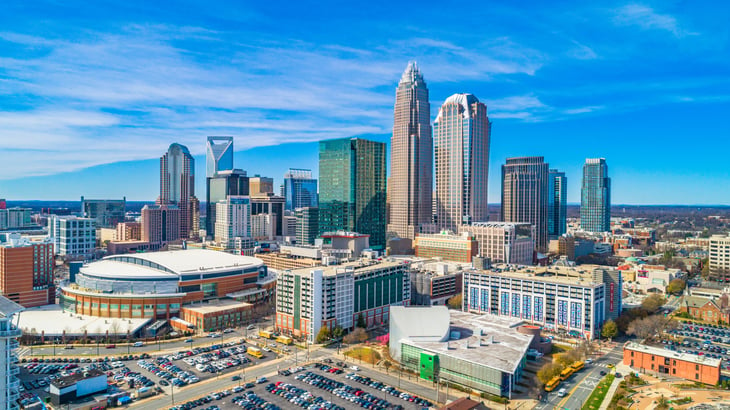
- Gyms and fitness centers per 100,000: 21.2
- Total gyms and fitness centers: 583
- Share of adults that are physically active: 78.5%
- Share of adults in good health: 83.5%
- Share of adults with obesity: 34.2%
- Population: 2,756,069
1. Raleigh-Cary, NC
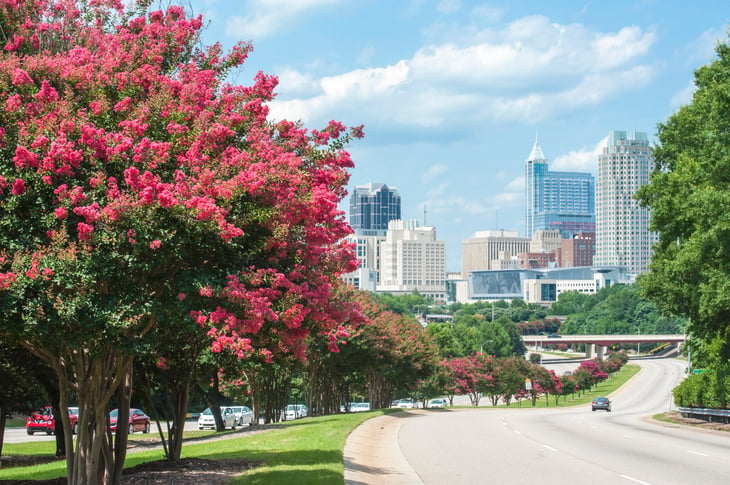
- Gyms and fitness centers per 100,000: 22.2
- Total gyms and fitness centers: 330
- Share of adults that are physically active: 82.4%
- Share of adults in good health: 86.1%
- Share of adults with obesity: 28.1%
- Population: 1,484,338

Methodology

This study draws on data from two primary sources: the U.S. Bureau of Labor Statistics (BLS) Quarterly Census of Employment and Wages (QCEW) and the U.S. Centers for Disease Control and Prevention (CDC) PLACES: Local Data for Better Health dataset.
The most recent data available from each source was used—2023 annual averages from the BLS and the 2024 data release from the CDC.
To identify the cities with the highest concentration of gyms, researchers calculated the number of establishments classified under “Fitness and Recreational Sports Centers” (NAICS code 71394) per 100,000 residents. These figures represent gym density on a per capita basis; they only include gyms with paid employees.
For additional context, relevant public health statistics were incorporated from the CDC PLACES dataset. These include:
- Physical activity rate: The percentage of adults aged 18 and over who reported engaging in physical activity (e.g., running, golf, calisthenics) outside of work in the past month.
- General health status: The share of adults who self-reported their overall health as “good,” “very good,” or “excellent.”
- Obesity rate: The percentage of adults with a body mass index (BMI) of 30.0 kilograms per square meter or higher.
Health indicators reflect crude prevalence rates for adults aged 18 and over, aggregated from county-level estimates to the metropolitan level. Only metropolitan areas with complete data across all variables were included in the final analysis.
Additionally, large metros are defined as 1,000,000 residents or more.


Add a Comment