



President Trump’s recent tariffs sent markets into a tailspin. The S&P 500 dropped more than 4% as global indexes followed suit, and world leaders from China to the EU vowed retaliation, according to The New York Times.
Business groups, economists, and investors are alarmed. And for everyday Americans, the ripple effects — from rising prices to volatile investments — are real.
As the situation unfolds, one thing is clear: It’s time to take action. Whether you’re managing your retirement funds, an emergency stash, or everyday expenses, these steps can help you shield your money in uncertain times.
Pro Tip: Unsure how tariffs might impact your investments or savings strategy? If you’ve got at least $100,000 in investments, check out a free service called SmartAsset. You fill out a short questionnaire and instantly get matched with up to three vetted financial advisors in your area.
1. Move savings to safer ground

When markets are volatile, holding large amounts of cash in stocks can feel risky. But that doesn’t mean you should let your money sit idle. High-yield savings accounts and CDs offer safety plus competitive interest — and they’re a better place for emergency or short-term funds than the stock market.
Liquidity may be key if tariffs trigger inflation or an economic slowdown. Accessing your cash without penalty or delay matters more than squeezing out a few extra basis points.
Pro Tip: Explore high-yield savings options to earn as much as possible on your emergency savings. For example, SoFi Checking pays a competitive APY on savings, plus a cash bonus for new members who set up direct deposit. (May change without notice.)
Earn up to 4.40% Annual Percentage Yield (APY) on one SoFi Savings account with a 1.10% APY Boost (added to the 3.30% APY as of 10/20/26) for up to 6 months. Open your first SoFi Checking and Savings account between 10/20/26 and 12/31/27, then within 60 days of account opening receive an eligible direct deposit OR $5,000 or more in qualifying deposits. You must maintain eligible direct deposit or $5,000 in qualifying deposits every 31 days to keep the Boost, for up to 6 months. Rates variable, subject to change.
Terms apply at sofi.com/banking. SoFi Bank, N.A. Member FDIC.
2. Review your exposure to tariff-sensitive sectors

If you hold mutual funds or ETFs, dig into the holdings. Sectors like automotive, electronics, and retail often rely on imports — and could take a hit as tariffs bite.
The New York Times notes that Trump’s latest tariff round includes auto imports and goods from major U.S. trade partners.
Don’t panic-sell. But consider adjusting your allocation to reduce exposure to sectors facing prolonged cost pressures or supply chain issues.
Pro Tip: A financial advisor can help you rebalance intelligently. If you have over $150,000 in savings, consider talking to a professional financial advisor. Zoe Financial is a free service that will match you with a pro in your area.
3. Diversify beyond U.S. stocks

A global sell-off doesn’t mean every market moves the same way. While U.S. equities slide, international or emerging market funds may present buying opportunities — or at least help spread your risk.
Geographic diversification is more important than ever. Just as tariffs hit some economies harder than others, they may shift global investment flows unexpectedly.
Pro Tip: Platforms like Fundrise offer diversification through private market investments, including real estate and venture capital—starting at just $10. Note: This is a testimonial in partnership with Fundrise. We earn a commission from partner links on moneytalksnews.com.
Note: This is a testimonial in partnership with Fundrise. We earn a commission from partner links on moneytalksnews.com. All opinions are our own.
4. Hedge inflation risk with physical assets

Tariffs are essentially taxes on goods — and those costs often get passed to consumers. That means inflation risk rises, even as markets tumble. One way to hedge? Physical assets like gold.
Gold has long been viewed as a safe haven during periods of currency instability, geopolitical conflict, or inflation. If tariffs trigger all three, adding some to your portfolio could make sense.
Pro Tip: A gold IRA combines inflation protection with tax-deferred growth. Explore precious metals investments, with opportunities to receive up to $10,000 in free metals through qualified purchases. If you’re over 50 and curious about investing in Gold, now is a great time to get your FREE 2025 Gold Information Kit and protect your future with physical precious metals!
5. Delay big purchases if possible

Trump’s new tariffs impact goods like autos and imported materials. That can drive up prices for everything from vehicles to appliances to furniture. If you’ve been planning a big-ticket buy, it may be wise to wait.
Manufacturers and retailers are still adjusting. As inventories shift and the supply chain adapts, prices could swing wildly — or stabilize — over the next few months.
Pro Tip: Compare costs over time and set price alerts using shopping tools. In the meantime, slash expenses on dining, travel, eyeglasses, prescriptions and more with AARP – Just $15/year with auto-renewal. Join now and save hundreds.
6. Pay down high-interest debt
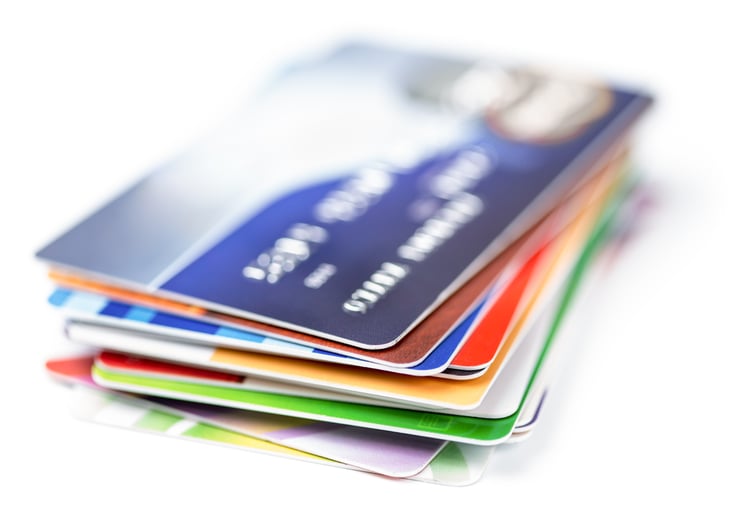
Economic uncertainty and rate fluctuations can affect loan terms and credit access. Locking in predictable payments now and reducing high-interest debt gives you more breathing room if recession follows.
Many experts worry that Trump’s aggressive trade stance — described in The New York Times as “blowing up the system governing international trade” — could increase the odds of a slowdown.
Pro Tip: Need help managing debt before things get worse? National Debt Relief offers free consultations and assistance for people with $20,000 or more in unsecured debt.
7. Get professional help — fast

With tariffs, market volatility, and inflation risks all accelerating, now is not the time to wing it. A qualified advisor can help you position your finances to weather the chaos — and possibly capitalize on it.
Whether you’re nearing retirement or just want to protect your gains, the right guidance can help turn panic into a plan.
Pro Tip: If you’ve got more than $100,000 in savings, get some advice from a pro. SmartAsset offers a free service that matches you to a vetted, fiduciary advisor in less than 5 minutes.
Keep calm and protect your future

Markets hate uncertainty — and Trump’s tariff shocks deliver it in spades. The New York Times reports backlash from allies, global sell-offs, and threats of retaliation. But while you can’t control trade policy, you can control how you respond.
Now’s the time to get strategic. Protect your cash, diversify, reduce risk, and get the right advice. Whether this storm passes quickly or drags on, you’ll be better prepared to ride it out.
Pro Tip: If you find you are struggling with payments in retirement, a reverse mortgage can turn your home equity into tax-free cash for seniors 62+. No house sale is required. Use the funds for medical bills, home repairs, or even that dream vacation — without monthly payments!
*A reverse mortgage still requires borrowers to pay property taxes, homeowners insurance and home maintenance. The loan must be repaid when the home is sold or the last borrower leaves the home.

Add a Comment