


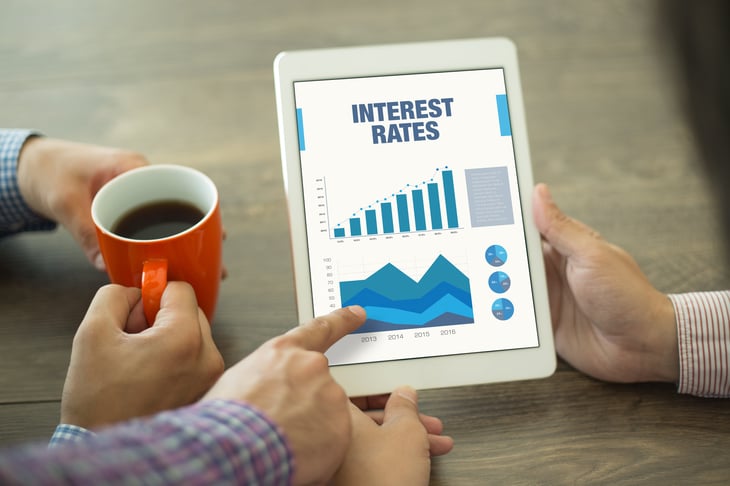
Federal Reserve interest rate decisions affect almost every aspect of your financial life. From mortgage rates to credit card bills, from savings yields to investment returns, the ripple effects touch your money in numerous ways.
According to Forbes, markets expect the Fed to cut rates to about 4.25% in the coming months, potentially ending 2025 with rates between 3.5% and 4%.
Rather than trying to predict exactly what the Fed will do, take these 11 money moves now to position your finances advantageously.
Pro Tip: If you have more than $100,000 in investments, check out a free service called SmartAsset. You fill out a short questionnaire and instantly get matched with up to three vetted financial advisors in your area who can help you navigate changing interest rates.
1. Refinance high – interest debt

When rates rise, high-interest debt becomes more burdensome. Credit cards and personal loans with variable rates are particularly vulnerable to Fed decisions. Consolidating or refinancing this debt now locks in current rates.
Many balance transfer credit cards offer 0% introductory periods, giving you breathing room to pay down balances without accruing more interest. Acting before rates potentially change could save thousands.
If you have more than $20,000 in unsecured debt, professional help can make a huge difference in your financial future. National Debt Relief offers free advice and assistance to help you tackle overwhelming debt and create a path to financial freedom.
2. Lock in high – yield savings rates

If the Fed cuts rates as expected, the impressive yields on high-yield savings accounts will drop. Consider locking in current rates while they’re still attractive.
Some online banks maintain current rates for a certain period, while certificates of deposit (CDs) can secure today’s higher rates for months or years. This strategy works especially well for emergency funds and short-term savings goals.
Don’t let your emergency savings earn minimal interest during rate transitions. For maximum returns, SoFi Checking is offering 3.8% interest, plus a potential $300 signup bonus. (May change without notice.)
3. Evaluate your bond investments
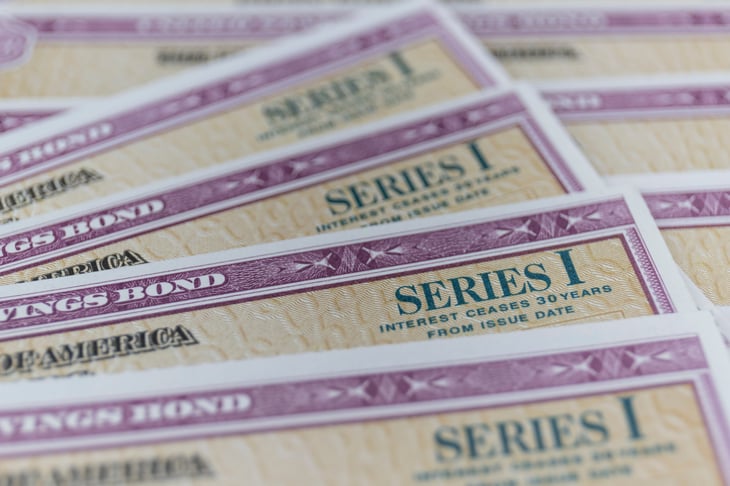
Bond values typically move inversely to interest rates – when rates fall, existing bonds with higher yields become more valuable. Before the next Fed decision, review your bond portfolio.
If you expect rates to drop, consider extending duration in your bond holdings. A bond ladder strategy can help mitigate risk while still capturing yield in uncertain environments.
Diversification is crucial during interest rate uncertainty. One modern way to diversify is with real estate and venture capital. Companies like Fundrise offer investments as small as $10. Note: This is a testimonial in partnership with Fundrise. We earn a commission from partner links on moneytalksnews.com. All opinions are our own.
4. Reassess your mortgage situation

With mortgage rates climbing significantly from their historic lows, any Fed rate cuts could bring relief. However, waiting for lower rates isn’t always the best strategy.
For those with adjustable-rate mortgages approaching a rate reset, consider refinancing to a fixed rate now. Homeowners with substantial equity might explore whether a home equity loan makes sense for major expenses.
A home equity loan can provide financial flexibility as interest rates fluctuate. Take a minute right now and see how much you can get, how fast you can get it and how little you'll pay while rates remain stable.
5. Review your investment allocation

Interest rate changes affect different sectors and investment types in various ways. Tech stocks often benefit from lower rates, while financial firms might perform better in higher-rate environments.
Your investment strategy should be aligned with your retirement timeline and personal risk tolerance, not just interest rate predictions. A professional review can identify potential vulnerabilities in your portfolio.
If you have over $150,000 in savings, professional guidance can be invaluable during interest rate transitions. Zoe Financial is a free service that will match you with a pro in your area who specializes in retirement and interest rate strategies.
6. Max out retirement contributions

Regardless of interest rate movements, maximizing tax-advantaged retirement accounts remains one of the smartest financial moves. If you’re over 50, take advantage of catch-up contributions to IRAs and 401(k)s.
The power of compound interest works even more effectively when you maximize these contributions. Consistent contributions allow you to maintain a dollar-cost average through market fluctuations.
Waiting on retirement saving? Every year costs you, especially in changing rate environments. Start today with matched contributions and watch your money grow! Sign up for a SoFi IRA and take advantage of compounding interest so you can retire comfortably. The longer you wait, the less you’ll earn. Get started today.
7. Pay down variable-rate debt

Variable-rate debt, including credit cards, home equity lines of credit (HELOCs), and some personal loans, will become more expensive if rates unexpectedly rise instead of fall.
Prioritize paying down these debts now, especially higher-interest obligations. Every dollar of high-interest debt eliminated represents a guaranteed return on your money equivalent to the interest rate.
Need cash, debt relief, or help funding a major expense during interest rate transitions? Find the best options tailored to your needs — fast, easy, and secure. Explore financial solutions here before the next Fed meeting changes your options.
8. Build your emergency fund

Economic uncertainty often accompanies periods of changing interest rates. A robust emergency fund protects you from having to liquidate investments at inopportune times.
Aim for 6-12 months of essential expenses in high-yield savings accounts. This provides both financial and psychological security during economically uncertain times.
Americans have $30 trillion in untapped home equity, yet most can’t access it without taking on debt. Hometap lets you unlock up to $600K of your wealth without monthly payments or personal liability – perfect for building your financial safety net during interest rate fluctuations.
9. Consider real estate opportunities

Real estate markets are susceptible to interest rate changes. If rates fall as expected, mortgage rates may follow, potentially stimulating housing demand and prices.
For those considering downsizing, relocating, or investing in rental properties, now is an excellent time to research markets and understand how potential rate changes might affect property values.
This might be a good time to consider alternative investments like wine and whiskey that aren’t directly tied to interest rates. Vinovest can get you started with as little as $1,000, providing portfolio diversification regardless of Fed decisions.
10. Review insurance coverage

Interest rate environments can affect insurance premiums, particularly for long-term policies. Review your coverage before the next Fed decision to ensure you’re adequately protected.
Life insurance, long-term care insurance, and annuity products all have pricing structures influenced by the interest rate environment. Getting quotes now gives you a baseline for comparison.
Why pay more for home insurance? Compare quotes from top providers today and make sure you’re not getting ripped off as insurance companies adjust premiums for changing interest rate environments.
11. Create an income plan for retirement

Interest rate changes significantly impact retirement income strategies. Lower rates make generating income from fixed-income investments more challenging, while potentially boosting stock valuations.
Developing a comprehensive retirement income plan that can adapt to different interest rate environments helps ensure sustainable withdrawals throughout retirement, regardless of Fed decisions.
Gold has historically been a reliable investment for protecting savings during interest rate fluctuations. Open a gold IRA to help shield your retirement from inflation, market swings, and economic uncertainty that often accompanies Fed rate changes.
Your financial future is in your hands

By implementing these strategic financial moves now, you position yourself to benefit regardless of whether rates rise, fall, or remain unchanged.
Take action rather than merely reacting to economic news. Your financial well-being shouldn’t depend on the whims of monetary policy.
Slash expenses on dining, travel, eyeglasses, prescriptions and more with AARP — Just $15/year with auto-renewal. Join now and save hundreds while navigating changing interest rate environments.

Add a Comment