


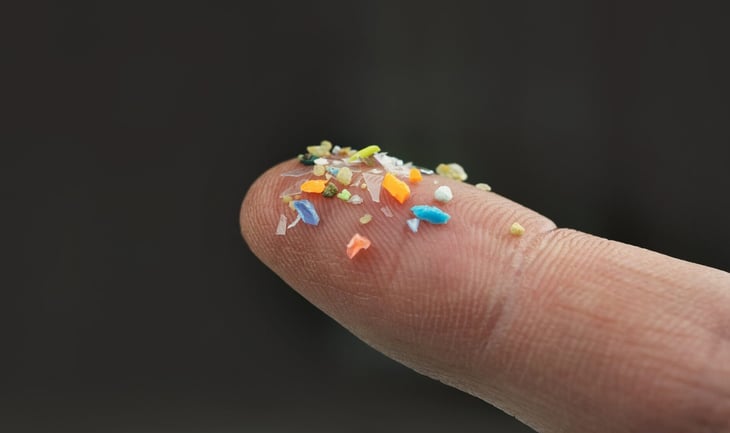
Microplastics are in beauty products, cleaning supplies, and even food and water. These tiny particles, from pencil eraser-sized to invisible, may harm reproductive, digestive, and respiratory health, with links to conditions like colon and lung cancer.
Lifestyle changes could reduce microplastic intake by up to 96%, according to a study in Nature Medicine, as reported by Yahoo! Life. Here are five moves that benefit both your health and your wallet.
Being proactive requires awareness of visible and invisible risks.
Pro Tip: Awareness of microplastics can protect your health, and staying proactive about other risks is equally important. Life Line Screening can help you uncover hidden health risks early. Book a screening today and take charge of your well-being.
1. Minimize seafood and alcohol consumption
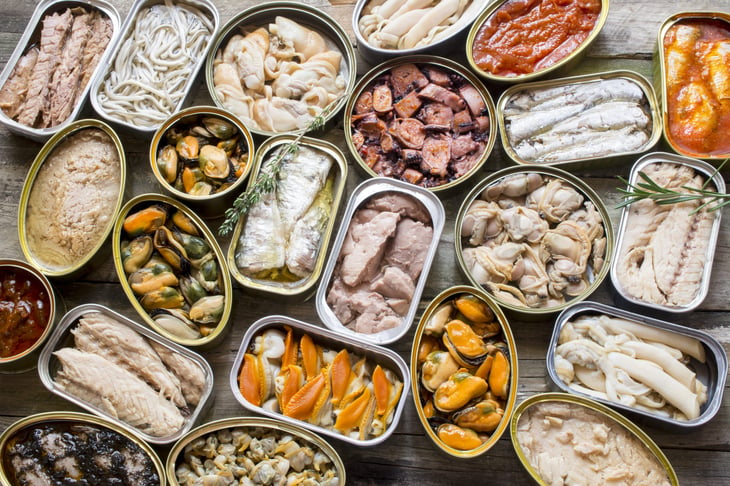
Seafood and alcohol are major sources of microplastics, with marine life and alcohol production heavily impacted.
Cutting back on these items lowers exposure and saves money, as both are often higher-cost items.
The savings could be invested in your financial future, especially during uncertain times.
Pro Tip: Reducing spending on seafood and alcohol not only lowers microplastic exposure but also frees up funds for your financial future. Protect your wealth with an asset that can hedge against recession and financial setbacks by opening a gold IRA.
2. Reduce consumption of ultra-processed foods

Researchers say ultra-processed foods contain much more microplastics than whole foods. Due to industrial processing, chicken nuggets, for example, contain 30 times more microplastics than chicken breasts.
Opting for whole foods reduces microplastic exposure, improves overall nutrition, and lowers costs. Cooking from scratch typically costs less than processed alternatives and supports better health.
Reliable transportation can help you maintain healthy eating habits without relying on costly delivery services.
Pro Tip: To maintain healthy eating habits without relying on costly delivery services, GoGoGrandparent makes it easy to schedule rides with just a phone call — no smartphone required. Memberships start at $1 per day.
3. Replace plastic storage with glass or stainless steel
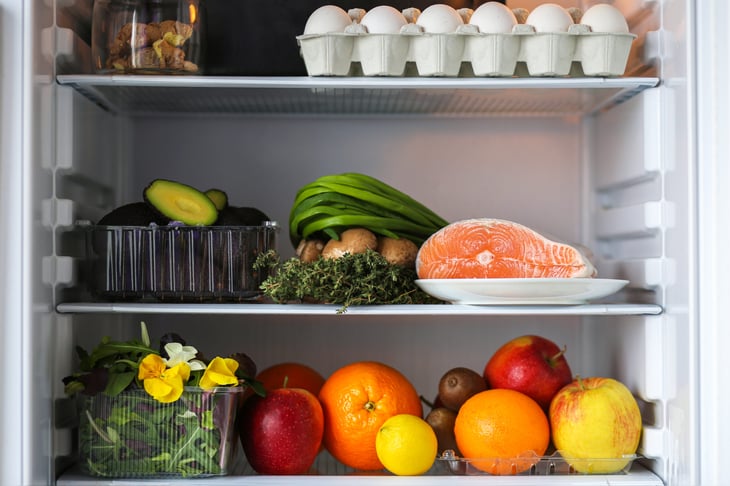
Plastic food storage containers can leach microplastics into food, especially if the contents are hot, fatty, or acidic. Switching to glass or stainless steel eliminates this exposure.
Though the initial cost may be higher, these materials offer greater durability and can last decades.
Investing in durable home goods like glass containers helps protect your health and finances. Protecting home systems from breakdowns also minimizes financial stress in the future.
Pro Tip: Investing in durable home goods, like glass containers, protects both your health and finances. Similarly, securing a home warranty can prevent future repair costs. First American covers everything from home appliances to heating and cooling. Take a second and see what policies cost and what they cover.
4. Stop heating food in plastic containers
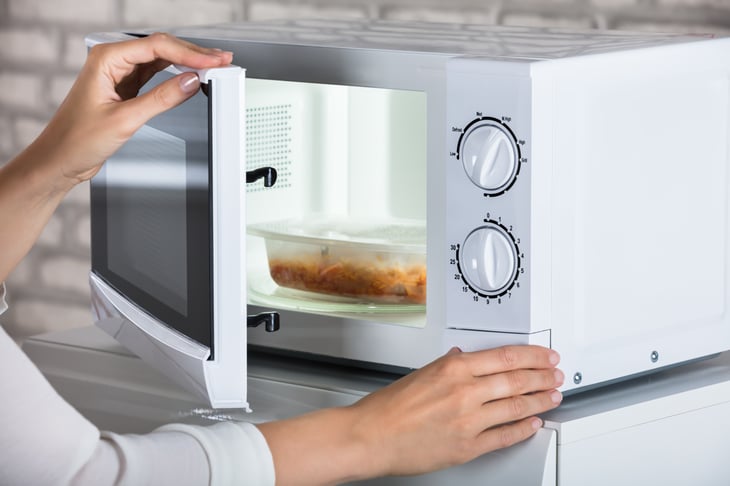
Microwaving food in plastic containers releases up to 4.22 million microplastic particles per square centimeter, reports Yahoo! Life. Avoiding this practice can significantly reduce microplastic exposure.
Transfer food to glass, ceramic, or microwave-safe stoneware before heating. This helps reduce microplastic intake and extends the life of your containers.
Better microwave habits protect both your health and your appliances. A Health Savings Account can also help with financial decisions promoting health.
Pro Tip: Improving your microwave habits can protect your health and appliances. If you have a high-deductible health plan, consider a Health Savings Account to help with medical expenses and promote your well-being. Check out Lively HSAs.
5. Switch from bottled to filtered tap water
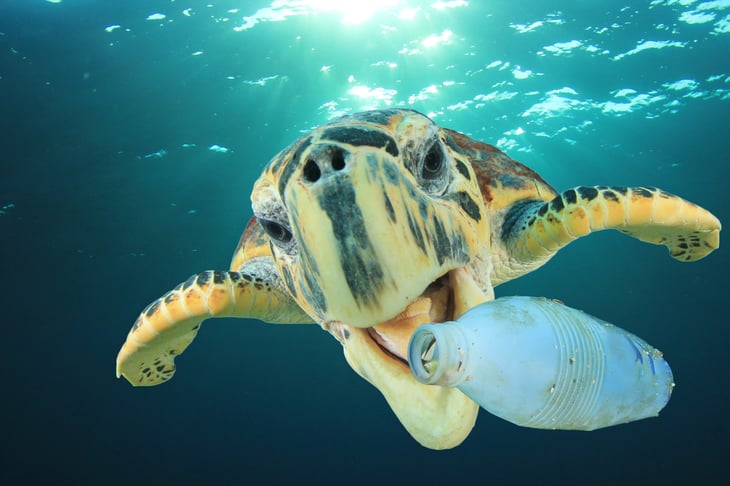
Switching from bottled to filtered tap water could reduce your microplastic intake by 90%, reports the researchers, from 90,000 to just 4,000 particles annually.
Bottled water releases microplastics, especially when squeezed or exposed to heat. The average American spends hundreds yearly on bottled water, which could instead be invested in a water filter.
Not all health needs are predictable. Building an emergency fund provides security for unexpected crises.
Pro Tip: Build an emergency fund to handle unexpected health expenses. SoFi Checking offers 3.8% interest, plus a potential $300 signup bonus. (May change without notice.)
Your body (and budget) will thank you
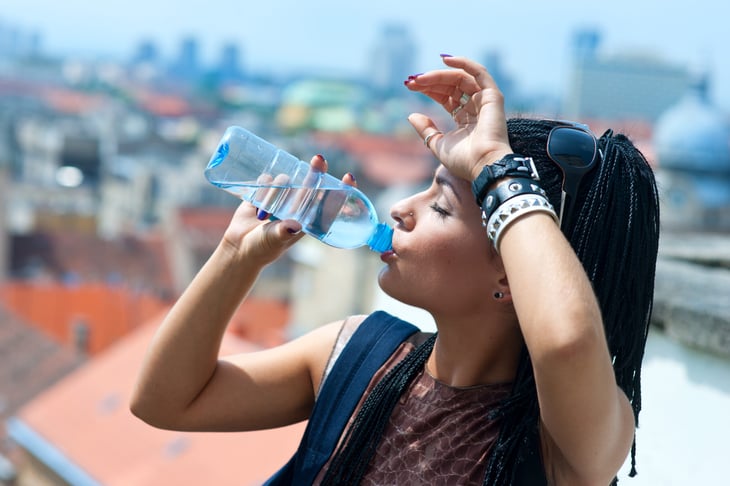
Microplastics are found throughout the human body, including in organs and blood.
By making these five changes, you can protect your health and reduce ongoing expenses with simple, sustainable actions.
Also, stay mindful of your financial wellness — planning for retirement is key to long-term health and happiness.
Pro Tip: Protecting your health and finances goes hand in hand. Waiting on retirement savings costs you every year. Start today with matched contributions and let your money grow. Sign up for a SoFi IRA and take advantage of compounding interest to retire comfortably. Get started today.

Add a Comment