



Buying a car is an exciting yet significant financial decision. Whether you’re looking for a brand-new ride or a reliable used vehicle, asking the right questions can help you make an informed purchase, avoid hidden surprises, and ensure you get the best value for your money.
Here are 10 essential questions to ask when buying a new or used car.
1. What’s the Total Price, Including Fees?

The sticker price is just the starting point when buying a car. Always ask for the total price, including taxes, registration fees, documentation fees, potential increases in insurance, and any optional add-ons.
Understanding the full cost upfront helps you avoid surprises and plan your budget effectively.
Pro Tip: Use a car insurance shopping site and find cheaper insurance. You might save up to $600/yr.
2. Can I See the Vehicle History Report?

Request a vehicle history report for used cars to check for past accidents, title issues, or major repairs. Services like Carfax or AutoCheck provide detailed insights into a car’s background, ensuring you’re not buying a vehicle with hidden problems.
While you’re at it, protecting your financial and personal information during the purchase process is equally important.
Pro Tip: Safeguard your personal data when making big purchases—top-rated ID theft protection today.
3. What’s the Warranty Coverage?

Understanding warranty coverage is crucial when purchasing a car, whether it’s new or used. For new vehicles, ask about the terms of the manufacturer’s warranty, including what’s covered and for how long. For used cars, find out if the remaining factory warranty is transferable to you or if the dealership offers an extended warranty option.
Warranties provide peace of mind, protecting you from unexpected repair costs. If you’re considering an extended warranty, verify what it covers and whether it aligns with your needs.
Pro Tip: Consider a home warranty: Example? First American covers everything from home appliances to heating and cooling. Take a second and see policies cost and what they cover.
4. Can I Take the Car for a Test Drive?

Never skip a test drive—it’s your chance to assess how the car feels, handles, and performs in real-world conditions. Pay close attention to any unusual noises, vibrations, or performance issues, as these could indicate underlying problems.
You might have room to negotiate if you notice potential issues during the test drive. Discuss having the dealership make necessary repairs or use the information to adjust the price, allowing you to address the repairs yourself. Being proactive can help you secure a better deal while ensuring the car meets your expectations.
Pro Tip: Boost your shopping power: Get a no interest credit card today and enjoy stress-free spending!
5. Has the Car Been Inspected or Certified?

When considering a used car, it’s essential to ask whether the vehicle has undergone a thorough inspection or is part of a certified pre-owned (CPO) program. Certified cars often come with added perks, such as extended warranties and roadside assistance, providing peace of mind about the car’s condition and reliability.
If the car hasn’t been inspected, you may want to arrange an independent inspection to identify potential issues. Even with a certified vehicle, exploring extended warranty options is wise to protect yourself from unexpected repair costs that can quickly add up.
Pro Tip: Repair costs are skyrocketing. If you’re concerned about coming up with thousands for a car repair, consider the cost/benefit of an extended car warranty.
6. What Are the Financing Options?

Before committing to a car purchase, take the time to explore all financing options available. Compare dealer financing offers with other lenders, such as banks or credit unions, to secure the best interest rate and terms. It’s crucial to ask detailed questions about loan terms, monthly payments, and the total cost of financing to avoid unexpected expenses.
If your credit score could use improvement, taking steps to enhance it may open the door to better financing deals. Strong credit helps you secure lower interest rates and increases your purchasing power, making your car-buying experience smoother and more affordable.
Pro Tip: Take control of your credit—start your credit repair journey today and secure better financing options for your next car.
7. What’s the Fuel Efficiency?

Fuel costs can add up significantly over time. Ask about the car’s fuel efficiency (miles per gallon or MPG) for city and highway driving. For hybrid or electric vehicles, inquire about battery performance and charging options.
Pro Tip: When you spend on anything, always pay with a top-ranked cash-back card.
8. Are There Any Dealer Incentives or Rebates?

Dealerships often offer incentives for new cars, such as cashback offers, rebates, or low-interest financing. Ask about promotions to maximize your savings and get the best deal possible.
9. What’s the Trade-In Value for My Current Car?
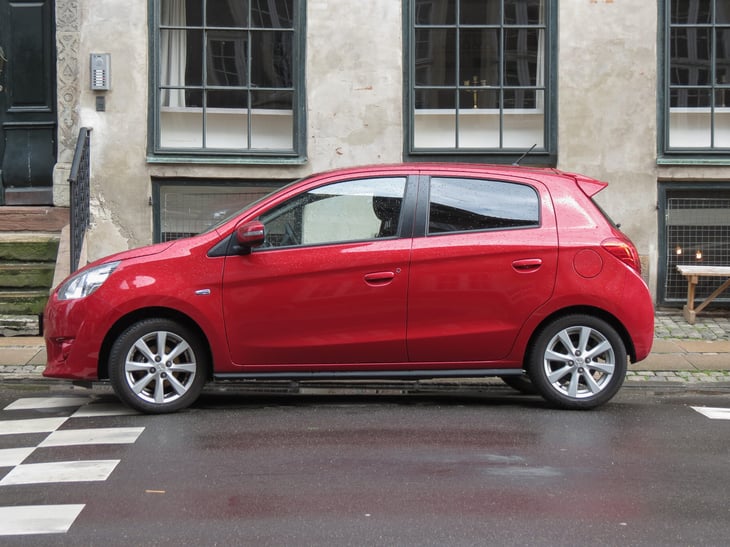
If you’re trading in your current vehicle, ask for its trade-in value. Research market prices beforehand to ensure you’re getting a fair deal.
Use tools like Kelley Blue Book or Edmunds for accurate trade-in estimates.
10. What Maintenance Costs Should I Expect?

Maintenance and repair costs can vary greatly depending on the car you choose. For used vehicles, ask about the service history and whether critical components, such as the timing belt or brakes, have been replaced recently. This information can help you anticipate potential future expenses.
For new cars, inquire about routine service intervals and costs for standard maintenance like oil changes, tire rotations, and inspections. Knowing these details upfront allows you to budget more effectively and avoid surprises.
Building a financial safety net can make a significant difference in preparing for these ongoing costs.
Pro Tip: Earn as much as possible on your emergency savings. For example, SoFi Checking is offering 4% interest, plus a potential $300 signup bonus. (May change without notice.)
Drive Away with Confidence

Buying a new or used car doesn’t have to be stressful. By asking these must-know questions, you can avoid surprises, secure a great deal, and drive away confidently.
Being informed ensures you make the best decision for your needs and budget, whether it’s understanding financing options, checking warranties, or reviewing vehicle history.
Take your time, do your research, and enjoy the process of finding your perfect car. With these tips in mind, you’re on your way to a better, more satisfying car-buying experience.

Add a Comment