


Extreme climate events have caused physical damage and delivered crucial financial lessons for many.
The National Oceanic and Atmospheric Administration (NOAA) reports numerous billion-dollar weather and climate disasters nationwide, including droughts, floods, severe storms, and wildfires. These events frequently damage personal property, with vehicles particularly vulnerable to hail damage, flooding, and debris impact.
As we face more extreme weather, its economic impacts stretch beyond government and insurance budgets, directly affecting household finances.
Pro Tip: Weather-related vehicle damage is increasingly common, and car repair bills aren’t what they used to be. One shop told Consumer Reports their average job rose from $1,600 a decade ago to $4,000 today. Endurance gives you access to thousands of ASE-certified repair shops and pays the bill upfront, so you’re only responsible for the deductible. Get a free quote today!
1. Rising insurance premiums

Billion-dollar weather events increasing from an average of 3.3 annually in the 1980s to 23 per year over the past four years. As a result, families may benefit from preparing for continually rising insurance costs, particularly in high-risk areas.
This might mean budgeting significantly more for coverage than in previous years or considering supplemental policies like flood insurance — even in areas not traditionally flood-prone.
Insurance shopping has become more critical than ever, as some providers have begun withdrawing from high-risk markets altogether, leaving homeowners with fewer options and higher rates.
Pro Tip: Why pay more for home insurance? Compare quotes from top providers today and make sure you’re not getting ripped off.
2. Nationwide financial planning needs

Weather disasters impact nearly every region, from tornadoes in the Midwest to hurricanes in the Southeast and winter storms on both coasts. All Americans should prioritize emergency funds and disaster preparedness in their financial planning.
Financial experts now recommend saving 6-12 months of expenses, not just the traditional 3-6 months, to cover potential displacement and recovery costs after disasters.
A financial advisor can offer tailored strategies to protect your assets from these rising threats.
Pro Tip: If you’ve got at least $100,000 in investments, check out a free service called SmartAsset. You fill out a short questionnaire and instantly get matched with up to three vetted financial advisors in your area.
3. Property value vulnerabilities

Hurricane Helene, which struck the southeastern US in September 2024, was the deadliest hurricane since Katrina in 2005, causing over 150 fatalities and potentially $250 billion in damages. Real estate that once seemed safe may now face risks that impact long-term value.
Homebuyers should evaluate disaster risks when purchasing property, considering flood maps, wildfire assessments, and historical weather patterns — factors that can lower property values and raise long-term costs.
For current homeowners, protecting your investment against costly weather-related repairs is crucial.
Pro Tip: Consider a home warranty: Example? First American covers everything from home appliances to heating and cooling. Take a second and see what policies cost and what they cover.
4. Increasing tax burdens

The government allocates significant funds for disaster relief, with the U.S. spending billions annually on climate-related aid.
These costs can lead to higher taxes or reduced services, impacting household budgets. Communities frequently affected by disasters may also face local tax hikes for rebuilding efforts.
Smart financial planning involves anticipating these potential tax changes. Diversifying your investments to include assets less vulnerable to regional disasters can help safeguard your wealth.
Pro Tip: One modern way to diversify is with real estate and venture capital. Companies like Fundrise offer investments as small as $10. Note: This is a testimonial in partnership with Fundrise. We earn a commission from partner links on moneytalksnews.com. All opinions are our own.
5. Value of resilient investments

Strong building codes and improved infrastructure help mitigate expensive damage from disasters. Homeowners may consider investing in upgrades that exceed minimum building requirements, as these improvements may provide significant financial protection when disasters strike.
Investments in impact-resistant roofing, flood mitigation, or reinforced construction may seem expensive today but can prevent catastrophic financial losses tomorrow.
For many homeowners, tapping into existing home equity can provide the necessary funds for these crucial upgrades without depleting emergency savings.
Pro Tip: A home equity loan is a great way to access fast cash. Take a minute right now and see how much you can get, how fast you can get it and how little you'll pay.
The new financial landscape
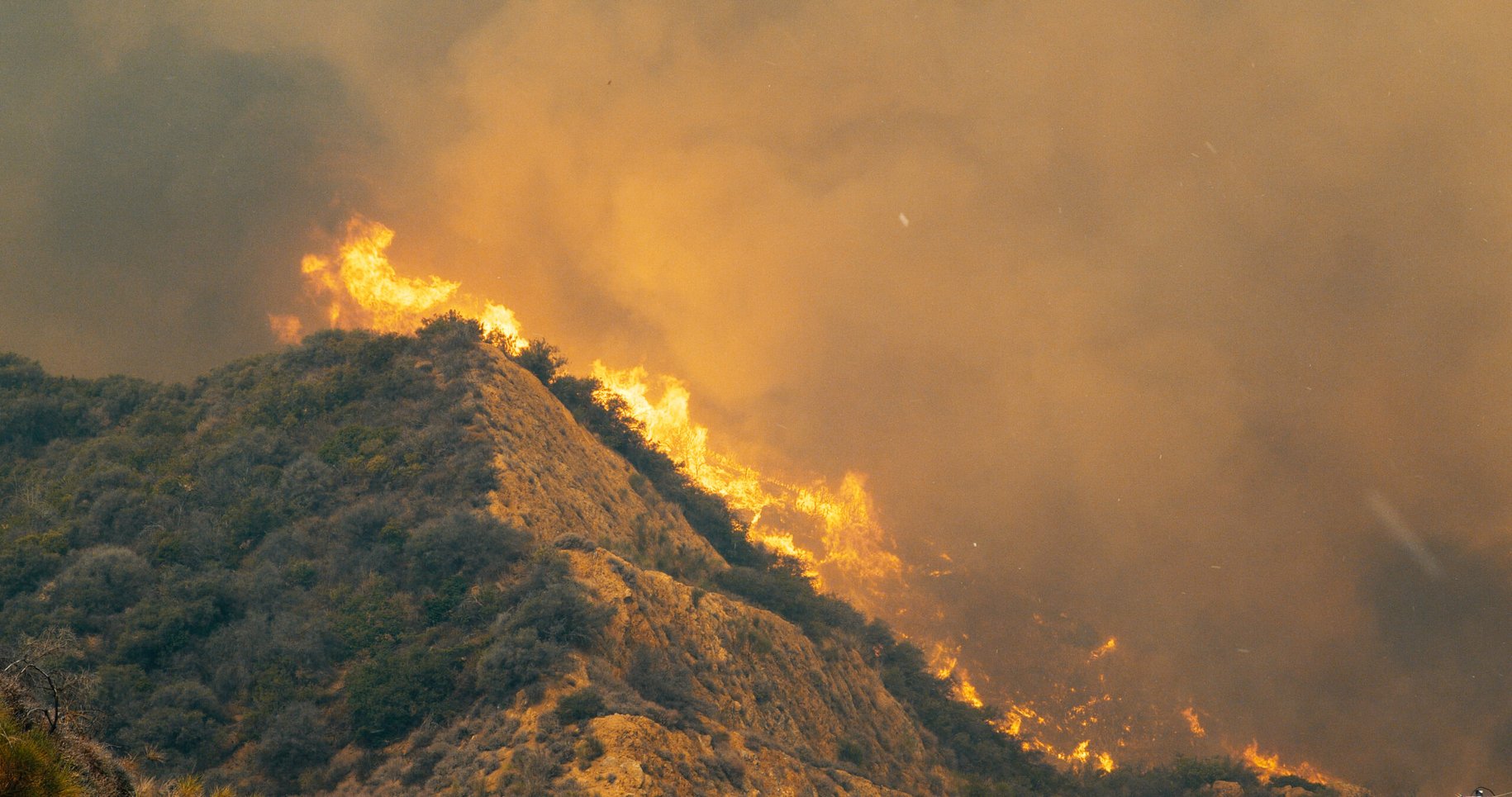
Disasters have and will continue to reshape personal finance in once unimaginable ways. Climate resilience is now a critical element of sound financial planning.
Focusing on key areas, insurance, emergency funds, property selection, tax planning, and investments can help you better prepare your finances for the challenges ahead.
Adaptability and forward-thinking are becoming as essential as traditional insurance in protecting your financial future. Securing the right financial solutions for your needs is more important than ever.
Pro Tip: Need cash, debt relief, or help funding a major expense? Find the best options tailored to your needs—fast, easy, and secure. Explore financial solutions here.

Add a Comment