


Folks living in cold-weather parts of the U.S. have long looked to “wind chill” warnings to get a read on how frigid conditions are outside. But those days are now over.
The National Weather Service just put “wind chill” terminology on ice. Wind chill watches, warnings and advisories have been renamed.
The terminology changes are part of the National Oceanic and Atmospheric Administration’s “hazard simplification” initiative. According to NOAA:
“These changes seek to clarify that cold can be dangerous with or without wind, addressing a common misconception that extreme cold is only tied to colder temperatures when there is wind. Dangerously cold weather can accompany or follow wintry precipitation, and the cold messaging can be overshadowed by the wintry precipitation.”
Here are the name changes that went into effect on Oct. 1.
Extreme cold watch
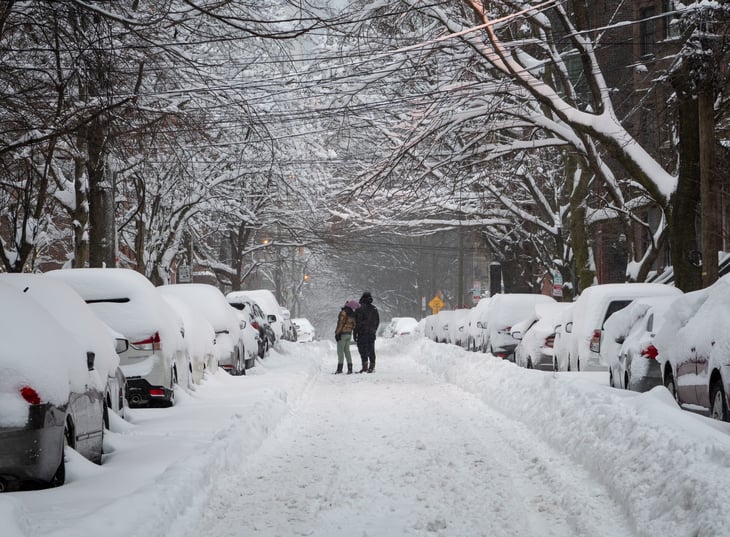
An “extreme cold watch” is issued when dangerously cold air — with or without wind — is possible.
When this type of watch is issued, you should check the forecast and get ready in case a warning is issued.
Extreme cold warning
An “extreme cold warning” is issued when dangerously cold air — with or without wind — is expected.
If you see this type of warning, know that the cold is severe enough that frostbite or hypothermia are possible. Under these circumstances, you should limit time outside, dress in layers and cover any exposed skin.
Cold weather advisory

This term replaces the previous “wind chill advisory.” A cold weather advisory is issued when seasonably cold — but not extremely cold — air temperatures or wind chill values are expected or occurring.

Freeze watch

This term will replace the phrase “hard freeze watch.” A freeze watch is issued when significant, widespread freezing temperatures are possible within the next 24 to 36 hours.
This type of watch is issued in the spring at the start of the growing season and then again in the autumn until the growing season ends.
Freeze warning

This term replaces the old term “hard freeze warning.” A freeze warning is issued when significant, widespread temperatures below freezing are expected, a threshold that kills some types of commercial crops and residential plants.
Warnings are issued during the same time frame as freeze watches.

Add a Comment