


From niche beauty products to streaming entertainment, subscription services are here to stay.
According to the Dublin, Ireland-based firm Research and Markets, revenue from subscription box services in North America is expected to reach $19.04 billion by 2028. Similarly, Statista reports that the market for subscription video on-demand (SVod) services in the U.S. is expected to hit $54.66 billion by 2027.
This set-it-and-forget-it economy makes me wonder: As the credit card charges (and packages) pile up, what’s it take to get a consumer to cancel? If it’s time for a critical review of your household budget, you may want to start with your subscription plans.
Here are reasons to nix subscriptions.
1. The selling never stops

Today, few commercial transactions are one-and-done. We (sometimes unknowingly) enter into a relationship with a company that can last years.
And subscription services are particularly sticky. Once you’re in the ecosystem of a subscription product or service, the real selling begins with:
- Surveys
- Review and feedback solicitations
- Referral requests
- New product notifications and upgrade requests
- Cross-selling promotions
- Seasonal promotions
Of course, subscribers can always adjust communication preferences, but the process seems purposefully tedious, unclear, and slow to take effect. In 2022, it was determined that HelloFresh ignored customers’ marketing preferences and sent more than 79 million emails and 1 million texts to current and previous subscribers over a seven-month period. Some received promotions two years after canceling their service.

2. Reduced quality of customer service

Young companies differentiate themselves by providing an outstanding customer experience and low entry fees for new subscribers. But as companies mature and gain market share, those feel-goods seldom last.
Over time, you may notice a reduction in quality, less reliable service, more pop-up ads and an endless loop when trying to resolve customer service issues.
In these situations, it’s just smart economics to ask yourself, “Is the hassle worth it?” and “Does this product or service still delight me or is it just a habit I haven’t broken yet?”

3. Waste
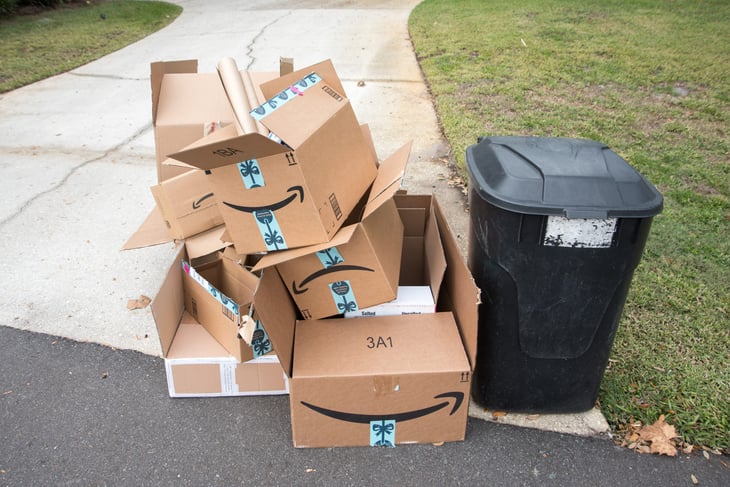
Those meal kits and boxes of curated beauty products arrive at your door whether you need them or not. That sort of auto-pilot replenishment sounds convenient, but it often leads to unexpected waste.
A busy few weeks at work might mean you don’t feel like cooking even the most “quick and easy” meal kit. But fresh ingredients eventually go bad or enter that gray zone of “Is this okay to eat?” that makes us all nervous. The result? Wilted lettuce and moldy potatoes destined for the dumpster.
Even for non-grocery items like bath and beauty products, candles and toys, delivery can easily outpace consumption.

4. Stress

Whether material or financial, waste is stressful. It quietly nudges us into crisis mode. Haven’t used all the razors and shave cream from last month? Too bad, there’s more coming next week. And your pup is getting more chew toys. And your daughter is getting more bags of small batch coffee.
As a customer, subscriber boxes demand we keep using at our current rate (at least), find room to store the excess and figure out how to make sure porch pirates don’t steal our deliveries.
The long list of considerations make shopping the old-fashioned way seem like stress-less luxury.

5. Privacy concerns

Subscription services don’t just collect our cash, they also amass a staggering amount of data on our behavior, tastes and interests. Of course, all that data harvesting is presented as a subscriber benefit (Enjoy a more customized experience with promotions tailored to your special tastes, etc.). Sounds great, right?
But that data is sellable and, as countless examples have shown, not too difficult for hackers to steal. Here are just a few data breach and privacy overstep examples:
- FabFitFun: This beauty and apparel subscription box service experienced two consecutive data breaches in 2020 that exposed the personal information of likely at least 1,000 subscribers.
- Roku: In 2024, more than 15,000 Roku accounts were hacked.
- Spotify: A 2020 data breach compromised the credentials of 100,000 accounts.
- Chewy: A 2022 lawsuit claimed that the company used a feature called “session replay” to illegally track user activity on its site.

6. Subscriber fatigue

Let’s face it, the novelty of small-batch whiskey samples eventually wears off. The subscription boxes and streaming services you once loved may not keep pace with your changing tastes and interests. It’s okay to shed them as casually as you might purge your closet or declutter the garage.


Add a Comment