


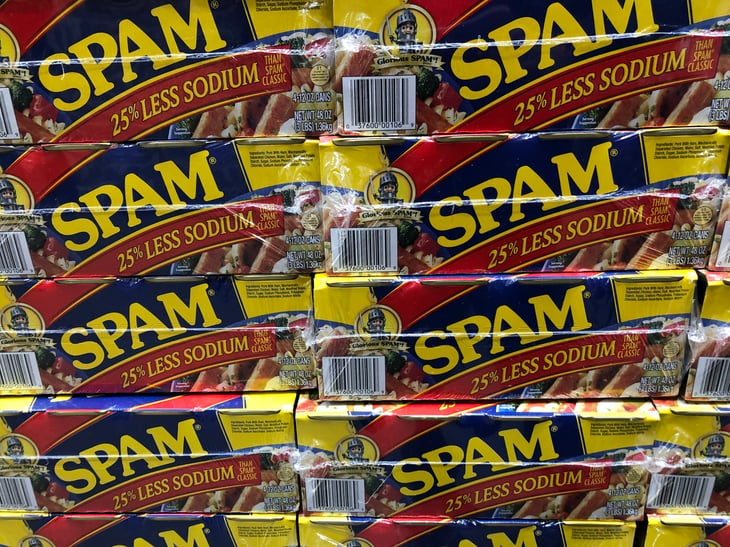
In uncertain times, the urge to stockpile essentials can feel natural — especially with inflation and tariff headlines dominating the news.
But before loading up on toilet paper or canned goods, consider the hidden costs. While some preparedness is wise, hoarding and lead to more harm than good.
The financial impact alone can be significant — and that’s just one reason why stockpiling might backfire during economic turmoil. Smart money moves during turbulent times often benefit from professional guidance tailored to your situation.
Pro Tip: If you’ve got more than $100,000 in savings, get some advice from a pro. SmartAsset offers a free service that matches you to a vetted, fiduciary advisor in less than 5 minutes.
1. The upfront costs drain your current budget

Hoarding requires significant cash upfront when many households are already feeling the squeeze. With inflation eating into paychecks, that money spent on six months’ worth of pasta sauce represents funds no longer available for immediate needs.
Even worse, some people use credit cards to finance their stockpiling. With interest rates still elevated, borrowing to hoard creates a financial double-whammy – you’re paying premium prices now plus interest charges that quickly erase any potential future savings from having bought in bulk.
If you’ve accumulated significant debt trying to prepare for uncertain times, you may need more than just budgeting advice.
Pro Tip: If you have more than $20,000 in unsecured debt, get some professional help. National Debt Relief is a trusted source for free advice and assistance.
2. Perishables expire before you use them
That great deal on yogurt becomes a terrible investment when half the containers spoil before consumption. Food, medicine, and even seasonal items have expiration dates that don’t care about your preparation strategy.
With grocery prices already up this year, throwing away $500 worth of expired pantry goods hurts your budget far more than potential price increases from future tariffs or supply chain issues.
Most households consistently overestimate how quickly they’ll use perishable items, turning protective purchases into wasteful spending. Instead of tying up money in items that might expire, consider putting those funds in accounts where they can grow.
Pro Tip: Earn as much as possible on your emergency savings. For example, SoFi Checking is offering 3.8% interest, plus a potential $300 signup bonus. (May change without notice.)
3. Storage limitations create new problems

Most homes aren’t built for bulk storage. That 24-pack of paper towels may feel like a deal — until it clutters your closet or spills into your bedroom.
Clutter adds more than mess — it raises stress, creates trip hazards, and even increases fire risk during stressful times.
Extra freezers drive up your electric bill, and storage units come with monthly fees that can wipe out any bulk-buying savings. Protecting your appliances and systems may offer better value than stockpiling excess goods.
Pro Tip: Consider a home warranty: Example? First American covers everything from home appliances to heating and cooling. Take a second and see what policies cost and what they cover.
4. Predicted price spikes that don’t materialize

Markets are volatile, and political triggers for hoarding — like tariffs or rate hikes — often reverse or have less impact than expected.
Hoarding is driven by worst-case thinking, assuming today’s prices are the lowest before a surge. But history shows these fears rarely play out as predicted.
By the time panic buying starts, markets have typically priced in the risk — making it one of the worst times to buy. Instead of stockpiling goods, financial experts often recommend exploring alternative assets to guard against economic uncertainty.
Pro Tip: Explore diversification options like precious metals investments, with opportunities to receive up to $10,000 in free metals through qualified purchases. If you’re over 50 and curious about investing in Gold, now is a great time to get your FREE 2025 Gold Information Kit and protect your future with physical precious metals!
5. Your cash gets trapped when you need it elsewhere

With emergency savings running low for many, tying up money in excess household goods can create risky financial inflexibility.
That $300 spent “stocking up” might be exactly what you need for a car repair or medical bill. Liquidity — having cash ready — is vital during uncertain times.
Every dollar spent on extra detergent is one less available for real emergencies that can’t be fixed with a full pantry. Ensuring your home is properly insured is another smart way to protect against financial surprises.
Pro Tip: Why pay more for home insurance? Compare quotes from top providers today and make sure you’re not getting ripped off.
6. You’re actually contributing to inflation
Ironically, panic buying meant to guard against rising prices can actually fuel them. Hoarding spikes demand, disrupts supply chains, and creates artificial scarcity.
Retailers respond by raising prices sooner and faster, which hurts everyone — especially those who can’t afford to hoard.
Individual actions, multiplied across households, often drive the very inflation people fear. Consider spreading your investments across multiple asset classes rather than tying up money in consumer goods.
Pro Tip: One modern way to diversify is with real estate and venture capital. Companies like Fundrise offer investments as small as $10. Note: This is a testimonial in partnership with Fundrise. We earn a commission from partner links on moneytalksnews.com. All opinions are our own.
7. Better financial opportunities go unexplored

Money spent on stockpiling often misses better financial opportunities. With credit card APRs around 24%, paying down debt offers instant, risk-free returns.
Market dips can also be smart times to invest — often yielding far better gains than the “savings” from bulk buying.
Even using that money to build skills or lower monthly bills can bring more lasting value than a garage full of supplies. Worried investing is too expensive? Today’s platforms make it easy to start small and build from there.
Pro Tip: Invest with zero commissions! Start small with just $1 and diversify across stocks, bonds, ETFs, crypto, and art using this popular app - sign up today.
8. The psychological burden weighs heavier than you think

Science shows clutter increases anxiety and decision fatigue — added stress you don’t need in uncertain times. Stockpiles may offer false comfort but often create stress by overwhelming your space and mind.
A clean, organized home supports clear thinking and resilience — both essential for navigating financial uncertainty.
Along with mental health, caring for your physical health is vital, especially when medical issues could add to financial strain.
Pro Tip: Life Line Screening reveals hidden risks so you can act early. Book a screening today and have peace of mind.
9. Community connections suffer when everyone hoards

Hoarding feeds a “scarcity mindset,” making everyone feel more anxious and threatened while eroding community trust — right when support networks matter most.
Alternatives like splitting bulk buys or forming exchange networks foster cooperation and reduce stress. These relationships often offer more security than isolated stockpiling, building resilience through connection, not accumulation.
Many communities also create shared resources like ride programs to help those in need without the burden of stockpiling.
Pro Tip: Need a convenient way to get around? GoGoGrandparent makes it easy to schedule rides with just a phone call — no smartphone required. Memberships starting as low as $1 per day.
10. Hoarding can distract you from smarter money moves

Panicked stockpiling may feel safe, but it can distract you from smarter financial strategies. When you focus on hoarding, you risk losing long-term savings and stability.
Instead, try gradually building a small reserve, just 1–2 extra items per week, while also looking for ways to cut everyday costs. You might save far more by negotiating bills or switching providers than by stuffing your shelves.
Don’t let fear steer your strategy — smarter financial choices offer more lasting security than stockpiles.
Pro Tip: Need cash, debt relief, or help funding a major expense? Find the best options tailored to your needs — fast, easy, and secure. Explore financial solutions here.
Beyond the stockpile: Building true security
Hoarding turns today’s financial stress into tomorrow’s clutter — and possibly debt. Real resilience comes from flexibility: emergency savings, smart substitutions, and strong community ties to share resources.
Uncertainty is real, but you don’t need to fill every cabinet. Aim for balanced preparedness that protects your finances and space.
As you adopt smarter strategies, explore resources that help you save — especially if you’re nearing or in retirement.
Pro Tip: Slash expenses on dining, travel, eyeglasses, prescriptions and more with AARP – Just $15/year with auto-renewal. Join now and save hundreds.

Add a Comment