



In today’s dynamic real estate market, homeowners are eager to enhance their properties, but not all renovations yield a good return on investment (ROI).
Housing market research site Zonda’s 2024 Cost vs. Value Report reveals that certain popular home upgrades may actually lead to financial loss rather than adding value.
Before embarking on home improvement projects, distinguish between upgrades that genuinely enhance property value and those that might drain your finances. The following six popular upgrades often fail to deliver the expected returns.
1. Over-the-top luxury bathrooms
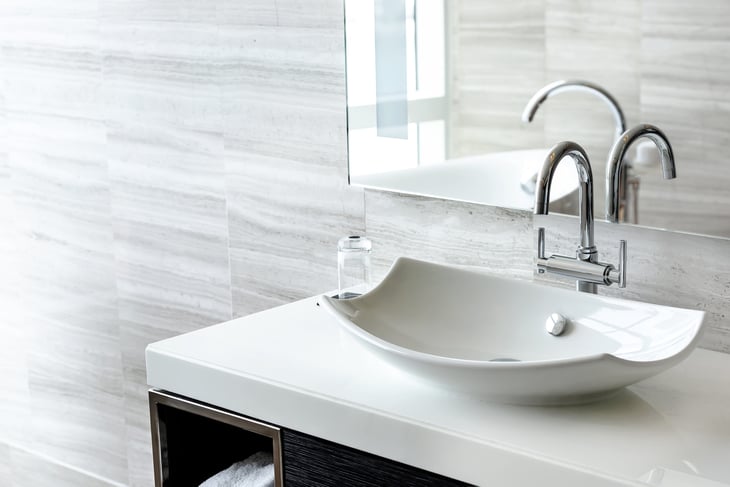
While premium materials and spa-like upgrades may enhance personal comfort, they rarely yield a strong return on investment. According to contractor trade publication The Journal of Light Construction, upscale bathroom remodels typically recover only about 50% of their costs during resale.
Many buyers prioritize practicality over extravagance, meaning features like heated floors or elaborate soaking tubs may go undervalued.
Instead of splurging on high-end fixtures, consider functional updates that modernize the space without breaking the bank.
Pro Tip: A home equity loan is a great way to access fast cash. Take a minute right now and see how much you can get, how fast you can get it and how little you'll pay.
2. High-end kitchen appliances

Investing in high-end kitchen appliances may seem like a surefire way to boost your home’s value, but the return on investment (ROI) often falls short.
Remodeling Magazine’s Cost vs. Value Report shows that a major upscale kitchen remodel recoups only about 54% of its cost.
If you spend $80,000 on a luxury kitchen renovation, you might recover just $43,200 upon resale. Most homebuyers prioritize functionality and modernity over premium brands, making mid-range appliances a more cost-effective choice.
To maximize ROI, focus on essential upgrades that enhance usability and appeal without overspending on top-tier appliances.
3. Built-in electronics and smart home systems

Investing heavily in built-in electronics or elaborate smart home systems can be financially unwise.
These technologies often become outdated quickly, and potential buyers may not share your preferences, leading to a lower return on investment (ROI). According to the National Association of Home Builders, only 27% of consumers have purchased smart home devices, indicating limited demand.
Opting for portable smart devices offers flexibility without the hefty price tag. You can upgrade as technology evolves without committing to permanent installations that may not appeal to future buyers.
Pro Tip: Consider a home warranty: Example? First American covers everything from home appliances to heating and cooling. Take a second and see policies cost and what the cover.
4. Expensive landscaping features

Elaborate landscaping projects, such as water features or custom fountains, can drain your finances without significantly increasing property value.
Due to upkeep concerns, these features require ongoing maintenance and may deter potential buyers. Simple, low-maintenance landscaping is more cost-effective and appeals to a broader range of buyers.
Real estate experts say over-personalized or high-maintenance outdoor features can negatively impact resale value. Focusing on universally appealing landscaping ensures better returns and broader market interest.
5. Swimming pools
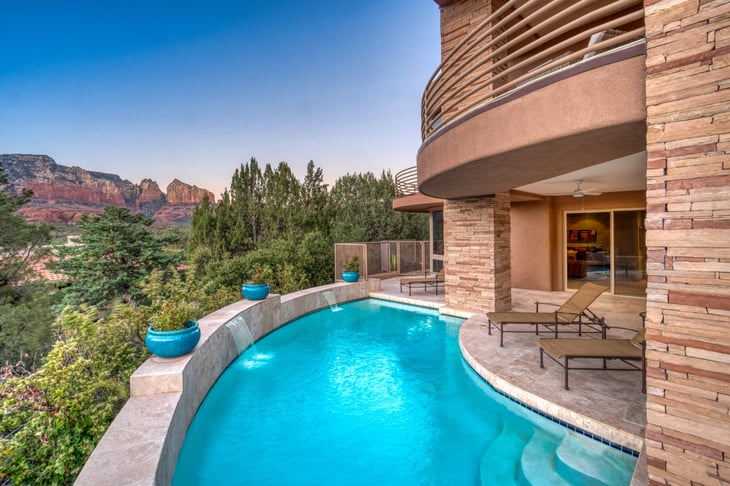
Adding a swimming pool might seem like a dream, but it can become a financial burden. Pools are expensive to install, maintain, and insure and don’t appeal to every buyer – especially in cooler climates. Sometimes, a pool can even decrease property value by up to 20%.
Unless you’re in a region where pools are highly desirable, this upgrade is unlikely to recoup its cost when you sell your home.
Pro Tip: Travel insurance is a must to protect that expensive vacation. Here's a list of the top travel insurers.
6. Over-personalized spaces

Unique customizations like themed rooms or quirky built-ins might suit your taste but can alienate potential buyers.
Over-personalized projects that appeal to your interests, such as high-end home theaters or themed rooms, can hurt your resale value in the long run.
Neutral designs and versatile spaces appeal to more people, increasing your home’s marketability. If upgrading for personal enjoyment, keep it simple or plan for eventual costs to undo the changes before selling.
Pro Tip: One modern way to diversify is with real estate and venture capital. Companies like Fundrise, offer investments as small as $10.
Make informed choices when upgrading

Home improvement projects should enhance your quality of life and your property’s value. Before upgrading, weigh the costs against the potential benefits and resale value.
Focus on timeless, practical improvements that will serve you well today and attract future buyers.

Add a Comment