



The emotional toll of watching your investments decline can cloud judgment. Most investors know diversification is important, but market drops require a recalibration of your diversification strategy—not just maintaining it.
Moments of volatility reveal portfolio vulnerabilities that remained hidden during bull markets.
You can transform challenging market drops into opportunities to strengthen your financial foundation. Experienced investors go beyond basic asset allocation advice and implement practical diversification tactics designed for post-correction environments.
Pro Tip: Over 80% of new investors struggle without guidance. In a market downturn, that percentage is probably higher. With EchoTrade, you can seamlessly copy the trades of top wealth managers.
1. Reassess your risk tolerance
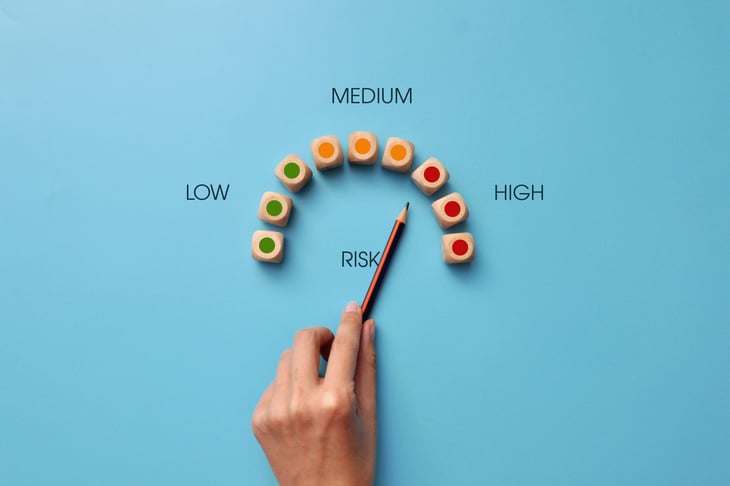
After experiencing a market drop, evaluate how the volatility affected you emotionally. Did you panic? Were you tempted to sell everything? Or did you remain calm?
Your emotional response provides valuable insight into your risk tolerance, which might differ from what you previously thought.
Use this self-awareness to adjust your asset allocation to match your true comfort level with risk better. Remember that proper diversification should help you sleep at night while allowing your money to grow over time.
Pro Tip: Diversify with as little as $10. Companies like Fundrise offer small investments in real estate and venture capital.
2. Strengthen your emergency fund
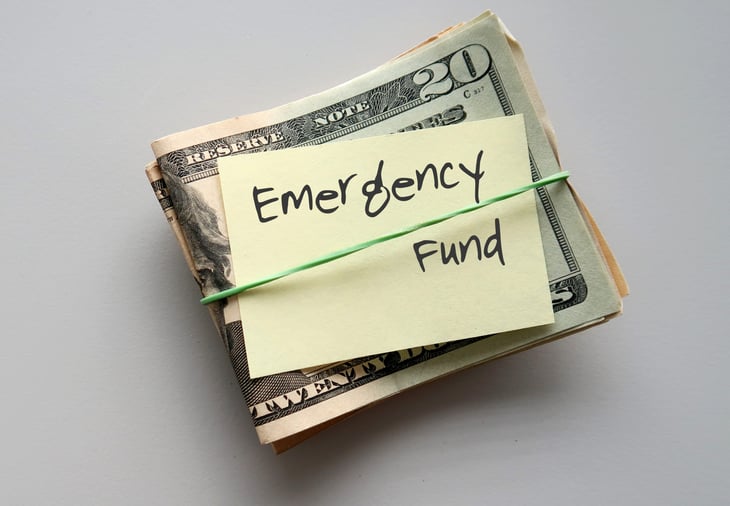
Before diving deeper into market investments following a downturn, ensure your emergency savings are robust. Market volatility reminds us why liquid cash reserves are essential—they prevent you from selling assets at a loss during downturns to cover unexpected expenses.
Aim to have 3-6 months of essential expenses in a high-yield savings account separate from your investment portfolio.
This financial buffer gives you the confidence to maintain your long-term investment strategy without fear of needing to tap into investments during inopportune times.
Pro Tip: It is always a good idea to earn as much as possible on your emergency savings. For example, SoFi Checking is offering 3.8% interest, plus a potential $300 signup bonus. (May change without notice.)
3. Consider dollar-cost averaging

Instead of trying to time the market after a drop, focus on dollar-cost averaging (DCA), a strategy that involves investing a fixed amount at regular intervals, no matter how the market performs.
This approach ensures you buy more shares when prices are low and fewer when prices are high, helping to smooth out market fluctuations over time.
DCA removes the emotional decision-making from investing and can be especially useful during periods of volatility. It allows you to take advantage of lower prices while reducing the risk of investing a large sum before another potential downturn.
Pro Tip: Be wary of using your savings for new investments unless you know what you are doing. If you’ve got over $100,000 in savings, now would be a good time to get advice from a pro. SmartAsset offers a free service that matches you to a vetted, fiduciary advisor in less than 5 minutes.
4. Explore alternative asset classes

Market drops often highlight the importance of having investments that don’t all move in the same direction simultaneously.
Beyond traditional stocks and bonds, consider adding exposure to alternative assets that may perform differently during market stress.
Real estate, commodities, precious metals, or even specialized sectors like infrastructure can provide valuable diversification benefits. These alternatives often have different drivers on returns and may help stabilize your portfolio during equity market turbulence.
Pro Tip: One way to protect your wealth is with an asset that can hedge against the damaging effects of a recession and financial calamity by opening a gold IRA.
5. Rebalance your portfolio

Market downturns naturally change your portfolio’s asset allocation as different investments lose value at different rates.
Take this opportunity to rebalance—returning your allocation to your target percentages by selling what has held up relatively well and buying what has fallen more significantly.
This disciplined approach forces you to “buy low and sell high” and ensures your portfolio doesn’t drift into a riskier or more conservative position than intended. Rebalancing is particularly important after significant market movements when these allocation drifts tend to be larger.
Pro Tip: You can start the process by investing with zero commissions. Start small with just $1 and diversify across stocks, bonds, ETFs, crypto, and art using this popular app - sign up today.
6. Consider defensive sectors

Not all stocks respond equally to market downturns. After a broad market drop, consider shifting some of your equity allocation toward historically defensive sectors like utilities, consumer staples, and healthcare.
These industries tend to provide products and services that remain in demand regardless of economic conditions.
This targeted approach can help reduce portfolio volatility while still capturing growth as markets recover. Remember that thoughtful diversification can make a meaningful difference even within the stock market.
Pro Tip: Investments in wine and whiskey often do well in an economic downturn and historically show low correlation with stock market volatility. Vinovest can get you started with as little as $1,000.
7. Reevaluate your international exposure

Market drops in one country or region don’t always coincide with drops elsewhere. Assess whether you have appropriate geographic diversification in your portfolio. International markets, particularly emerging markets, often follow different cycles than domestic ones.
Adding or increasing exposure to international investments can provide valuable diversification benefits, as different economies face different challenges and opportunities at different times.
Pro Tip: Explore diversification options like precious metals investments, with opportunities to receive up to $10,000 in free metals through qualified purchases. If you’re over 50 and curious about investing in Gold, now is a great time to get your FREE 2025 Gold Information Kit and protect your future with physical precious metals!
8. Incorporate income-producing investments

During market downturns, investments that generate regular income can provide stability and psychological comfort.
Consider adding or increasing allocation to dividend-paying stocks, REITs, bonds, or preferred securities that provide cash flow regardless of market price fluctuations.
These income streams can either be reinvested to buy more shares at lower prices or used as a source of funds without selling assets at depressed values. This approach turns market volatility into an opportunity while providing a cushion against further drops.
Pro Tip: Investments aren’t the only income streams you can consider. A part-time or work-from-home job could boost income in uncertain times. FlexJobs lets you browse and apply to verified jobs around the corner and around the world.
9. Use tax-loss harvesting strategically

Market downturns create tax-saving opportunities that can improve your long-term returns. Review your portfolio for investments trading below your purchase price and consider selling them to realize losses that can offset capital gains or up to $3,000 of ordinary income annually.
You can then reinvest the proceeds in similar (but not identical) investments to maintain your market exposure while creating tax benefits. This strategy effectively lets the government subsidize part of your recovery by reducing your tax bill during or after a market drop.
Pro Tip: Before making rash decisions, if you have over $150,000 in savings, consider talking to a professional financial advisor. Zoe Financial is a free service that will match you with a pro in your area.
Your resilient portfolio blueprint

The most successful investors view market drops not as disasters but as opportunities to build stronger, more resilient portfolios. By implementing these diversification strategies systematically, you transform market volatility into something you can use to your advantage.
Diversification isn’t a one-time task but an ongoing process that evolves with market conditions and your personal circumstances.
The decisions you make following market drops often have outsized impacts on your long-term financial success. Stay disciplined, think strategically, and focus on the horizon rather than the waves beneath your feet.
Pro Tip: If the market drop persists, every penny counts and you can slash expenses on dining, travel, eyeglasses, prescriptions and more with AARP – Just $15/year with auto-renewal. Join now and save hundreds.

Add a Comment