



Gold has been a reliable wealth-building asset for centuries, but not all gold investments are created equal. Whether you’re holding physical gold, ETFs, or mining stocks, smart strategies can help you increase your returns and protect your wealth.
Understanding market trends, fees, and diversification strategies can make a significant difference in long-term profitability. Investors who take a strategic approach can better navigate economic shifts and maximize their gold holdings.
Here are 12 insider gold hacks that can help you maximize your profits quickly.
1. Diversify Your Gold Portfolio

Putting all your money into a single type of gold investment—like bullion or coins—can be risky. Experts suggest spreading your holdings across physical gold, gold ETFs, and mining stocks for better risk management.
Gold ETFs allow investors to gain exposure to gold without physically storing it, while mining stocks offer higher return potential based on company performance. Diversifying across different forms of gold can help reduce risks tied to price volatility and liquidity issues.
A mix of short-term and long-term gold investments provides flexibility, allowing investors to capitalize on market shifts. By spreading investments, you can balance security with growth potential while safeguarding against sudden economic changes.
Pro Tip: Diversifying your portfolio with precious metals can help protect your wealth from market volatility. Right now, qualified purchases offer up to $15,000 in free metals. If you’re 50 or older, take advantage of this opportunity to secure your financial future with gold. Get your FREE 2025 Gold Information Kit today and start investing wisely!
2. Time Your Purchases Wisely

Gold prices fluctuate based on economic conditions, inflation, and interest rates. Experts recommend buying gold when prices dip, historically in early January and summer months.
Avoid panic-buying during market downturns—gradually accumulating gold over time can help reduce risk and maximize long-term returns. A dollar-cost averaging strategy, where you invest a fixed amount at regular intervals, can help smooth out price fluctuations.
Monitoring global economic trends and central bank policies can provide insight into the best times to buy and sell.
3. Sell at the Right Time

Selling gold at the right time is just as important as buying it. Investors should monitor economic trends, inflation rates, and central bank policies to identify profitable selling opportunities.
Setting profit targets and tracking rising interest rates can help maximize returns and avoid potential losses. If you have high-interest debt, selling gold at a peak price can be a strategic way to pay it off and reduce financial burdens.
Using gold profits to eliminate credit card debt or loans can free up cash flow and improve your financial health. Before selling, weigh the benefits of holding gold for future appreciation against the immediate advantage of becoming debt-free.
Pro Tip: Struggling with $20,000 or more in unsecured debt? Getting expert guidance can help you lower payments and regain financial control. National Debt Relief offers free advice and customized solutions to help you manage and reduce your debt—start your journey to financial freedom today!
4. Invest in Gold ETFs for Lower Costs

Gold ETFs offer liquidity and convenience, making them an excellent option for investors who don’t want to deal with physical storage or security risks.
They track the price of gold without requiring physical ownership, allowing investors to buy and sell easily while avoiding premiums on coins or bars.
Since ETFs are traded on stock exchanges, they provide greater flexibility than physical gold. Additionally, some ETFs pay dividends, offering an extra income stream while maintaining exposure to the gold market.
5. Consider Gold-Backed IRAs for Tax Advantages

Investing in gold-backed IRAs can provide tax benefits while helping you secure your retirement savings. These IRAs allow you to hold IRS-approved gold coins and bullion while deferring taxes on gains.
A financial advisor can help you navigate IRS regulations and find the best way to incorporate gold into your retirement plan. Since gold IRAs require a custodian to manage the assets, it’s important to choose a reputable firm with experience in handling precious metals.
Understanding storage fees and withdrawal rules is crucial to avoiding unexpected costs and penalties. A well-planned gold IRA can act as a hedge against inflation while diversifying your retirement portfolio.
6. Buy from Reputable Dealers Only

Not all gold sellers are equal. Purchasing from trusted dealers helps ensure authenticity and fair pricing. Look for dealers accredited by the Professional Numismatists Guild (PNG) or the American Numismatic Association (ANA).
Avoid high-pressure sales tactics and always verify purity and weight before purchasing. A financial advisor can help you avoid scams and select reputable gold sources. Researching customer reviews, buyback policies, and market prices can also help you make informed decisions.
Additionally, ask for certification and proper documentation to verify the gold’s authenticity before completing a transaction. These steps can protect you from overpaying or falling victim to counterfeit products.
7. Store Your Gold Securely
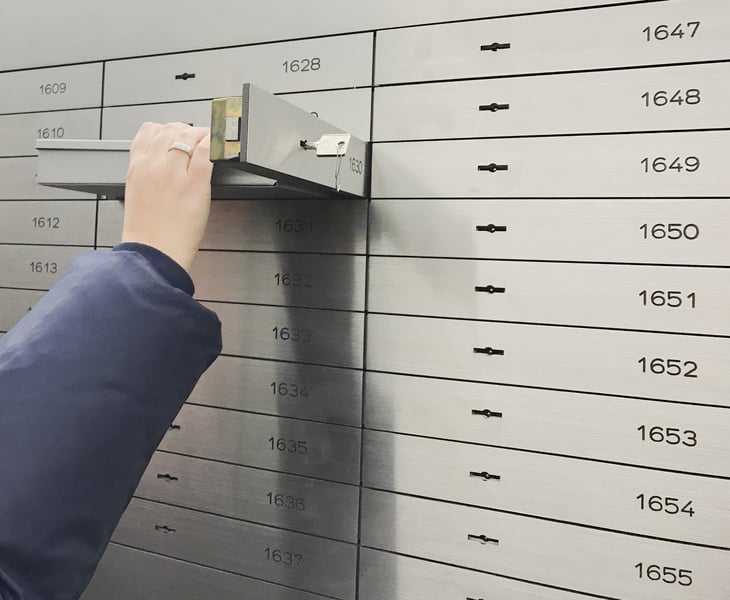
If you’re buying gold bars or coins, proper storage is essential. Experts recommend using a bank’s safe deposit box, a home safe, or an insured storage facility to protect against theft or damage.
Some investment firms offer insured vault storage for added security. A financial advisor or investment professional can help you determine the best storage solution based on your investment size and security needs.
They can also guide insurance options to ensure your gold is fully protected against loss or theft. Consulting with an expert can help you balance accessibility, security, and long-term investment goals when storing precious metals.
Pro Tip: Managing $100,000 or more in investments? Get expert guidance to grow and protect your wealth with SmartAsset. Answer a few quick questions and get matched with up to three vetted financial advisors in your area—for free. Start making smarter financial decisions today!
8. Watch Out for Hidden Fees

Due to production and distribution costs, physical gold often carries a premium above the spot price. Additionally, gold ETFs and mining stocks may have management fees that impact returns.
Always factor in these costs when investing and compare options to maximize your overall profit. Working with a financial advisor can help you evaluate the total cost of ownership for different gold investments. Understanding these expenses upfront ensures you make informed decisions that align with your financial goals.
9. Use Gold Price Tracking Apps

Gold prices move with the market, and staying informed is key. Using gold-tracking apps can help you monitor real-time prices, track trends, and make smarter investment decisions.
Many investors use these tools to set price alerts and buy at the right time. Some apps also provide historical data and expert insights, helping investors spot patterns and anticipate market shifts.
Consulting a financial professional can further refine your strategy, ensuring your gold investments align with your overall financial plan. By leveraging technology and expert advice, you can make more informed decisions and optimize your gold holdings.
10. Be Wary of Gold Investment Scams

Scammers prey on investors with fake bullion, overpriced coins, and fraudulent mining stocks. Red flags include guaranteed high returns, pressure sales tactics, and lack of transparency.
Always verify a seller’s credentials, check reviews, and consult with a financial advisor before investing. Be cautious of unsolicited offers or cold calls promising exclusive gold investment opportunities. Educating yourself on current gold prices and market trends can also help you spot deals that seem too good to be true.
11. Explore Gold Mining Stocks

Gold mining stocks can provide higher returns than physical gold, but they come with added risks tied to company performance and market volatility.
Experts suggest researching company financials, production costs, and industry trends before investing in mining stocks.
12. Take Advantage of Free Investment Tools

There are many free investment tools available that can help you make informed decisions and optimize your portfolio. From gold price trackers to financial planning calculators, these resources provide valuable insights without extra costs.
Many platforms also offer educational resources to help investors understand market trends and gold’s role in a diversified portfolio.
These tools allow you to track performance, compare investment options, and make strategic moves based on real-time data. Using these tools can help you monitor market trends, assess risks, and maximize your gold investment returns.
Turn Gold into a Wealth-Building Asset

Gold investing can be a powerful wealth-building tool when approached with the right strategy. By diversifying, timing your purchases, and avoiding common pitfalls, you can maximize your returns and secure your financial future.
Regularly reviewing your gold investments and adjusting your strategy based on market conditions can help you stay ahead of economic shifts. Consulting with a financial professional can also provide valuable insights, ensuring your gold holdings align with your long-term financial goals.

Add a Comment