


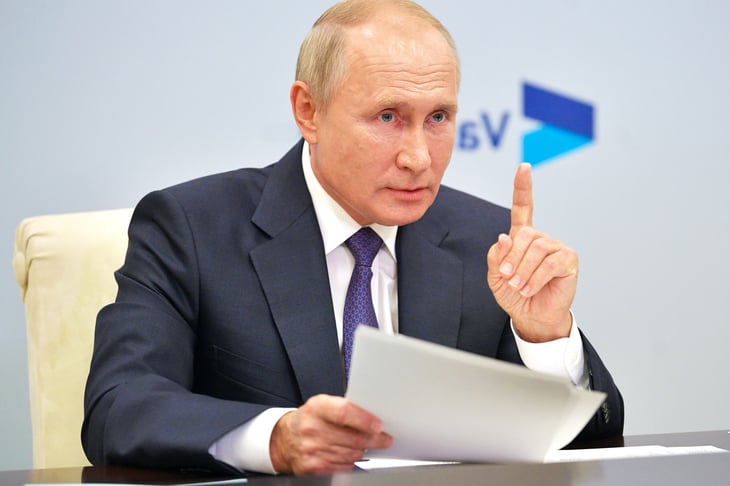
Russian President Vladimir Putin’s approval of record-breaking defense spending has sent ripples across global markets.
With defense now consuming a third of Russia’s budget, the ongoing war in Ukraine is reshaping the economic landscape.
But what does this mean for your investments? Here are five ways major geopolitical events can influence financial decisions and strategies.
1. Market Volatility Intensifies During Global Conflicts

Conflict brings uncertainty, and markets dislike uncertainty. The prolonged war in Ukraine has already driven fluctuations in global markets.
Investors may see sharp price swings in commodities like oil, natural gas, and wheat, as Russia and Ukraine are key players in these sectors. While some may view volatility as a risk, others see it as an opportunity for short-term gains.
Pro tip: For thousands of years, gold has been an effective hedge against uncertainty and inflation. Learn more by visiting Anthem Gold Group.
2. Defense Stocks Gain Momentum
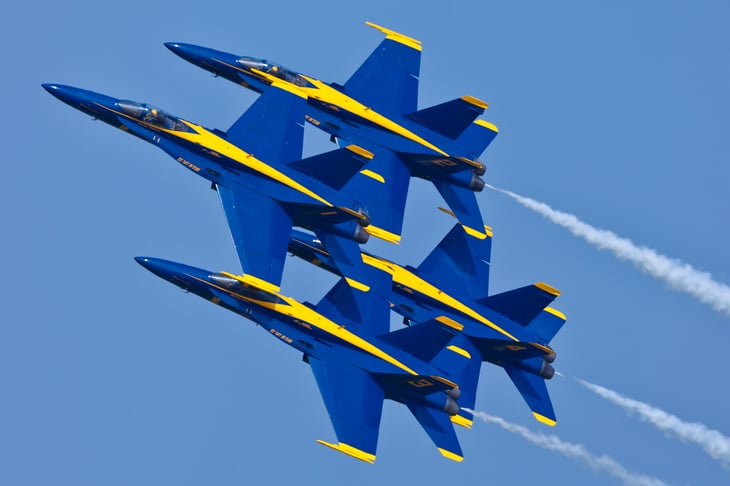
Heightened military spending often boosts defense and aerospace industries. Companies supplying weapons, surveillance equipment, or cyber defense systems may experience increased demand.
For investors, this could mean growth opportunities in defense stocks, funds or ETFs. However, these sectors can be ethically polarizing, requiring careful consideration of personal values alongside financial goals.
Pro tip: If you have over $150,000 in savings, consider talking to a professional financial advisor. Zoe Financial is a free service that will match you with a pro in your area.
3. Inflation and Rising Interest Rates Hit Global Economies
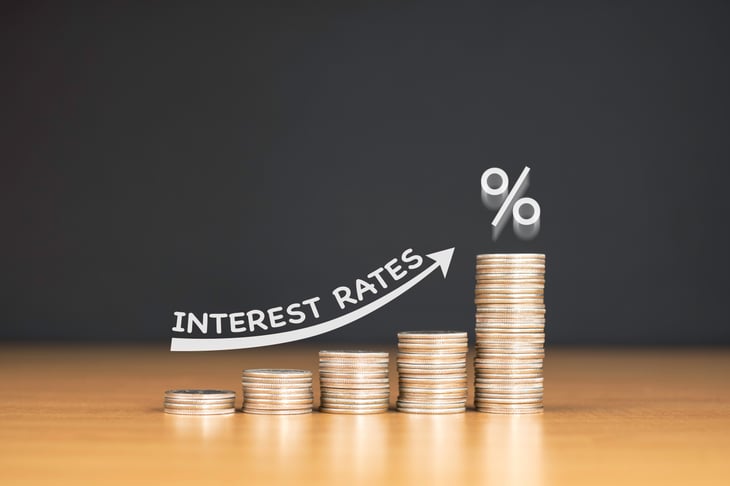
Russia’s soaring inflation and skyrocketing interest rates mirror trends in other countries embroiled in prolonged conflicts. These pressures can spill over into global markets, impacting sectors such as real estate and consumer goods.
Investors might consider diversifying portfolios with inflation-resistant assets like commodities, Treasury Inflation-Protected Securities (TIPS), or real estate investment trusts (REITs).
Pro tip: Companies like Connect Invest offer commercial and residential real estate loans earning as much as 9%. Click here to learn more.
4. Currency Fluctuations Affect Global Trade
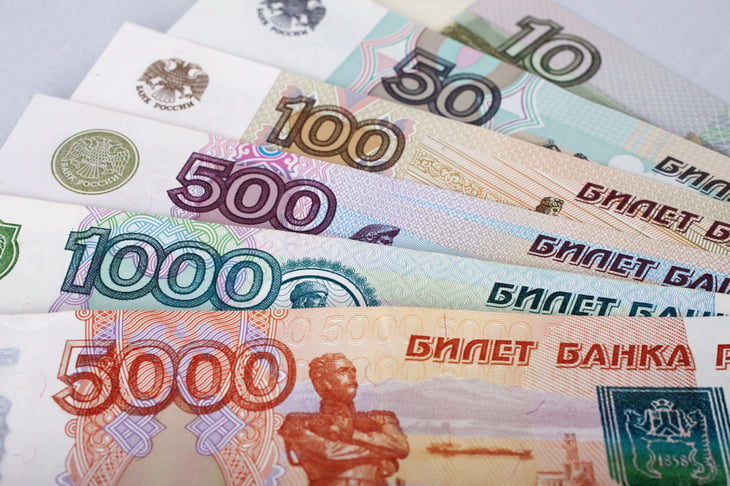
Sanctions, military spending, and geopolitical tensions can destabilize currencies. The Russian ruble’s struggles under sanctions are a case in point.
Investors with international exposure should monitor currency risks and hedge against potential losses using strategies like currency-hedged ETFs.
Pro tip: This might be a good time to consider an investment in wine and whiskey. Vinovest can get you started with as little as $1,000.
5. Energy Markets Are Redefined
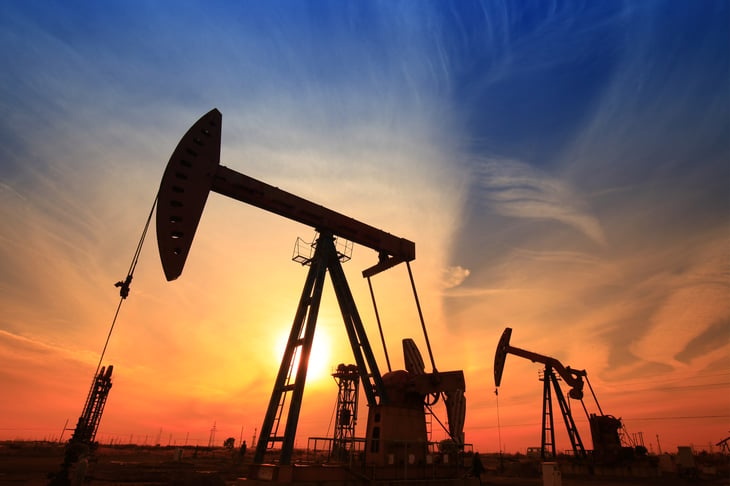
Energy remains at the heart of geopolitical conflicts, with Russia’s prominence as an energy exporter exacerbating supply chain concerns.
Shifts in oil and gas prices directly impact industries and individual portfolios. Renewable energy investments may also grow as countries seek to reduce dependence on fossil fuels tied to conflict zones.
A New Reality for Investors
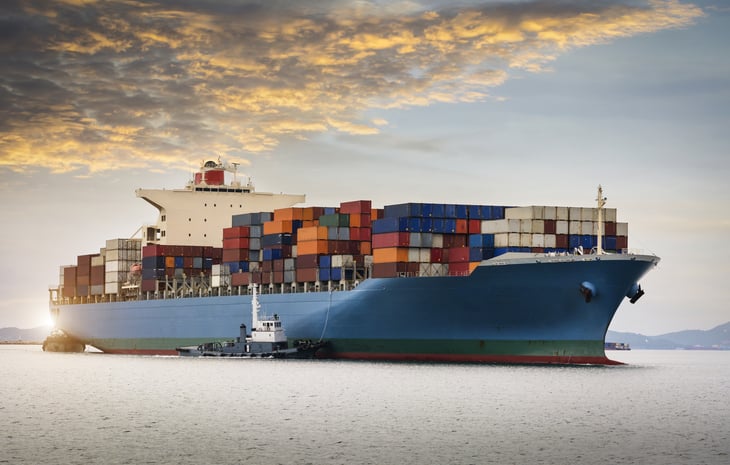
Global events like Russia’s defense spending spree underscore the interconnected nature of modern markets.
While conflicts bring challenges, they also create opportunities for savvy investors to adjust strategies and safeguard portfolios. Staying informed and proactive is key to navigating these turbulent times.

Add a Comment