



Editor's Note: This story originally appeared on LawnStarter.
Fall fertilization is a crucial part of lawn care. It provides essential nutrients to repair damage from the summer heat, enhances its overall health, and prepares it for winter survival and spring recovery.
To better understand the importance of fall fertilization, I reached out to Bryan Hopkins, a professor at Brigham Young University.
Hopkins explains that fall fertilization helps grass achieve three essential goals: “(1) enter winter healthy and better resist winterkill, (2) green up faster and stronger in spring, and (3) develop deeper, denser root systems to better handle summer heat.”
Keep reading to learn more about the key benefits of fall fertilization.
1. Repairs Summer Damage
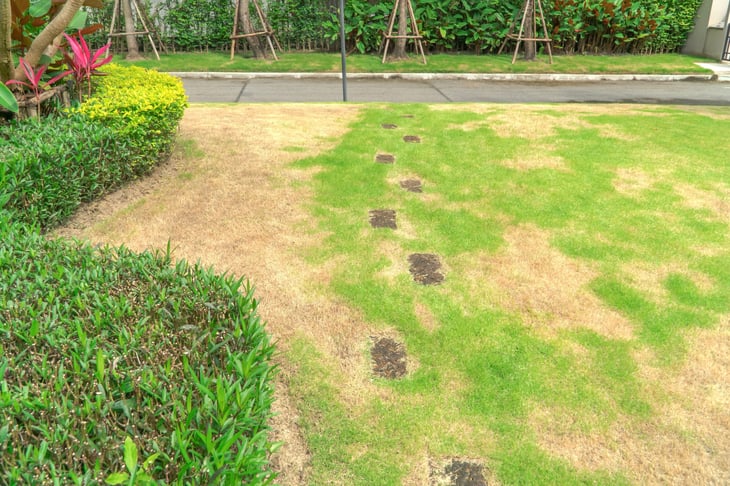
Summer stressors like heat, drought, foot traffic, and pest activity take a heavy toll on your lawn. Fall fertilizer provides the grass with the necessary nutrients to help it recover from these seasonal stresses.
Well-renowned in turfgrass science, Hopkins adds that fall fertilizer is especially critical for cool-season grasses: “Fall nitrogen is the single most important fertilizer application of the year. This is when lawns recover from summer stress, grow roots, and store carbohydrates to survive winter.”
Nitrogen helps repair thin or bare spots by encouraging thicker, denser turf regrowth and boosting root strength; phosphorus supports root repair; and potassium aids in overall plant recovery.
The cooler temperatures and increased rainfall in autumn create optimal conditions for nutrient uptake, allowing damaged areas to recoup and regenerate.
2. Enhances Root Development

As air temperatures start to drop, grass redirects its energy from leaf growth to root development in preparation for winter dormancy. Late-season fertilizers, especially those higher in phosphorus and potassium than in nitrogen, provide the nutrients needed for this proliferation of root growth.
This enhanced root network also improves the lawn’s ability to access water and nutrients, promoting improved health and vigor in the following spring.
3. Promotes Thicker Turf Density
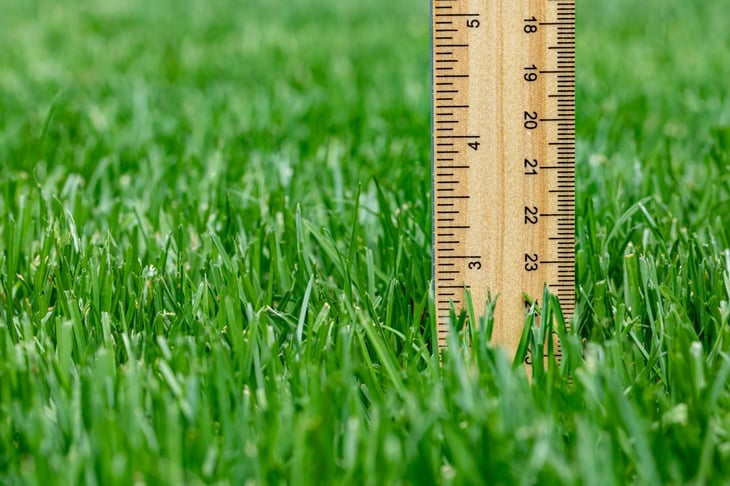
Cool-season grasses naturally increase tillering (producing new shoots from the base) and lateral growth during fall. Focusing on lateral instead of vertical growth is an evolutionary adaptation that helps the plant survive winter by creating more growing points.
As this growth naturally occurs, fertilizing in the fall further promotes it, resulting in denser turf coverage. This dense growth helps fill in thin areas, creating a thick, lush lawn most homeowners strive for.
Denser turf also helps naturally suppress common lawn weeds by leaving fewer open spaces for weed seeds to germinate and establish.
4. Increases Drought Resistance
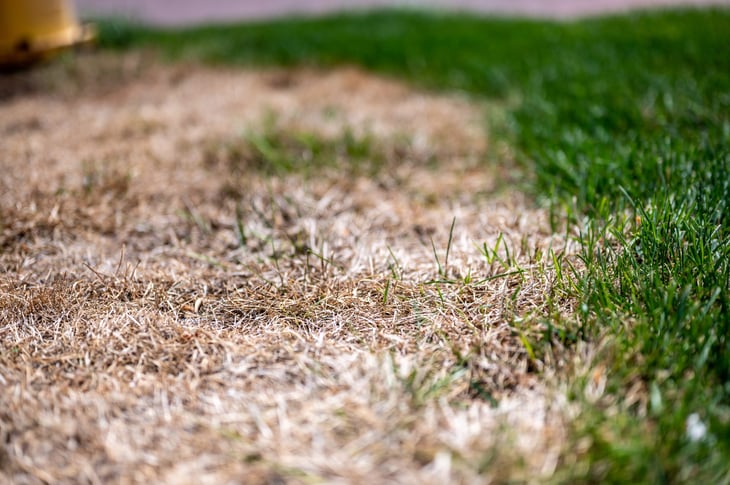
There is a direct correlation between improved drought resistance and the development of deep, well-developed root systems. This relationship occurs because roots that grow down into deeper soil layers can access moisture that remains there when the weather is hot and dry.
Fall fertilization with phosphorus encourages root systems to grow deeper into the soil profile. The potassium in quality fall fertilizer products also strengthens cell walls, improving the grass’s water retention capabilities.
Note: While you can’t do much in the fall to go back and prevent summer drought stress, get a jump on next year by learning about lawn care during a drought.

5. Increases Disease Resistance
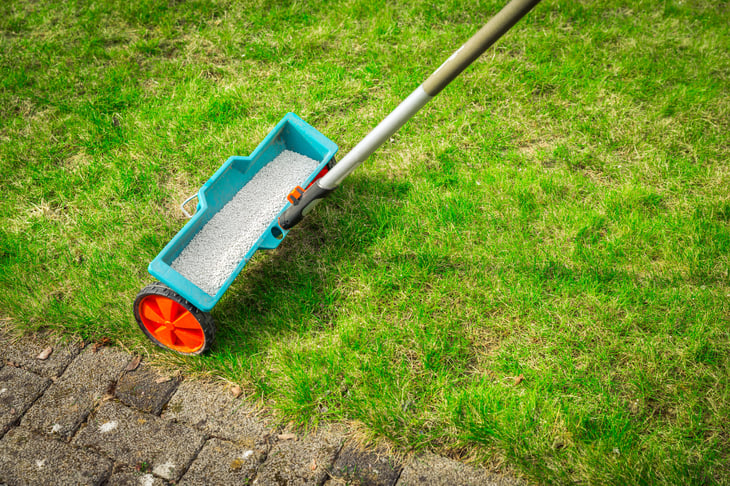
It’s no surprise that a healthy, well-nourished lawn naturally resists disease pressure better than a stressed and undernourished lawn. Similar to vitamins and supplements we take, fall fertilization supplies the essential nutrients required for natural defense mechanisms and cellular repair, enhancing plant immunity.
Balanced nutrition also keeps grass from creating overly succulent above-ground tissue that is highly attractive (and susceptible) to fungal pathogens like red thread and snow mold.
Additionally, strong root systems and improved plant vigor help a lawn recover more quickly from minor lawn diseases, preventing small issues from becoming major concerns.
6. Improves Winter Hardiness

A plant’s ability to survive through the winter depends mainly on energy reserves stored in its roots as it enters winter dormancy. Fall fertilizer helps grass accumulate carbohydrates and proteins essential for surviving freezing temperatures, ice formation, and snow cover.
Potassium plays a particularly vital role in winter hardiness. It helps regulate water movement within plant cells and prevents the formation of ice crystals that can rupture delicate cell walls.
Well-fertilized warm-season grasses also experience less winterkill in the event of unexpected, harsh winter storms.
7. Improves Spring Greenup
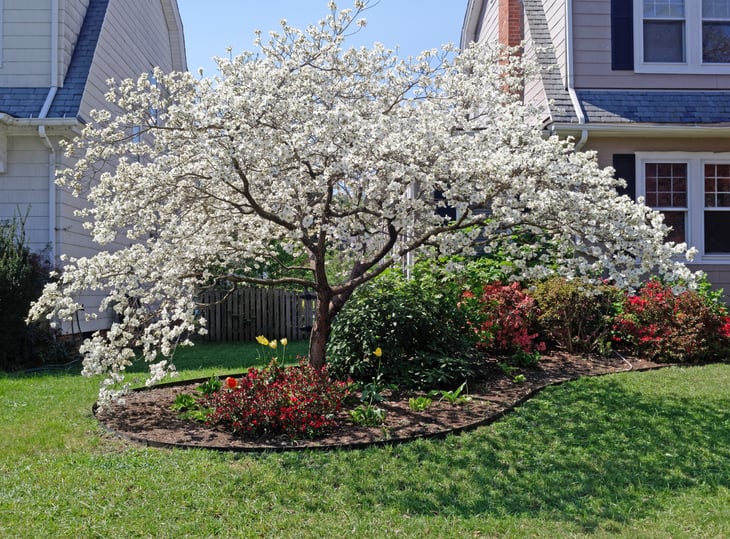
One of the most visible benefits of fall fertilization is the dramatic improvement you see in spring emergence and color development.
Grass that receives fall nutrition tends to break dormancy earlier in the spring and achieve full green color 2 to 6 weeks sooner than unfertilized turf. This happens because the nutrients stored in the roots over the winter fuel rapid, immediate spring growth, as opposed to the delayed response seen with spring-only fertilizer programs.
Early greenup creates an advantageous environment, suppressing weeds that try to germinate and establish early in the season. It also allows you to enjoy your lawn for an extended period.

Add a Comment