


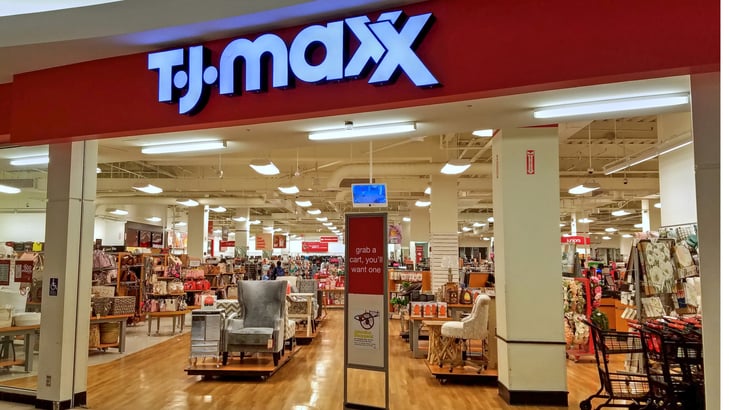
President Donald Trump made good on more tariffs threats this week, implementing 25% tariffs on all goods from Canada and Mexico after previously postponing them. As a result, economists are warning consumers to prepare for rising prices.
However, shoppers who frequent a certain type of retailer might not have to worry about sticker shock, either now or in the future. These so-called “off-price” retailers are more insulated from the impact of tariffs than other types of stores.
Here’s a look at some of the biggest retailers that are effectively immune to tariffs.
T.J. Maxx
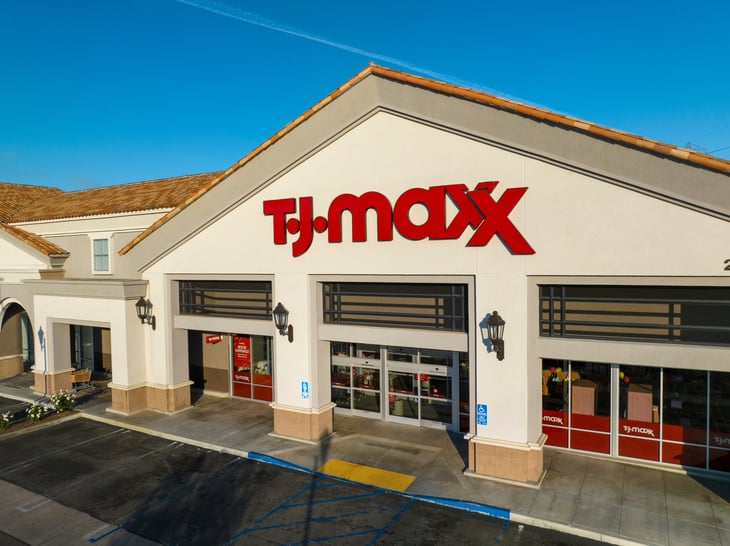
T.J. Maxx primarily sells merchandise that it purchases from vendors ranging from big brand names to up-and-coming labels, according to the retailer. These are goods that a designer has overproduced or that stores have purchased in excessive quantities.
So, in most cases, a tariff has already been paid on a good by the time T.J. Maxx purchases it. That means T.J. Maxx typically escapes the tariff altogether.
In addition, many retailers have been building up inventories in anticipation of both Trump’s tariffs and a worker strike at U.S. ports that never materialized, CNN reports. That buildup of inventory also could benefit the bottom line of T.J. Maxx if many of those stockpiled items go unsold and the off-price retailer can get them at a good price.
T.J. Maxx has more than 1,000 stores nationwide. The retailer says it stands out from its competitors by offering an expanded selection of jewelry as well as exclusive high-end goods at discount prices.

Marshalls
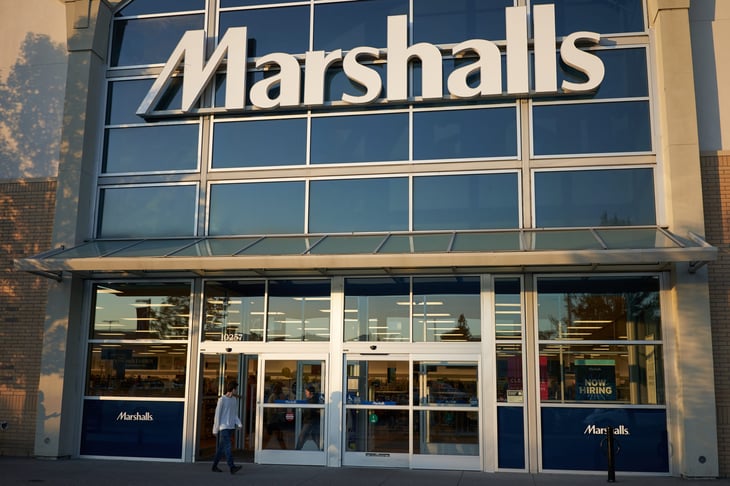
Marshalls shares a business model that is similar to that of T.J. Maxx. In fact, the same parent company — TJX — owns the two retailers.
So, Marshalls also buys its merchandise from U.S.-based vendors and should benefit from many of the same factors as those that could boost T.J. Maxx when it comes to tariffs.
Marshalls has more than 1,000 stores nationwide. It differs from T.J. Maxx in that it has a larger men’s department and a bigger shoe department.

Burlington
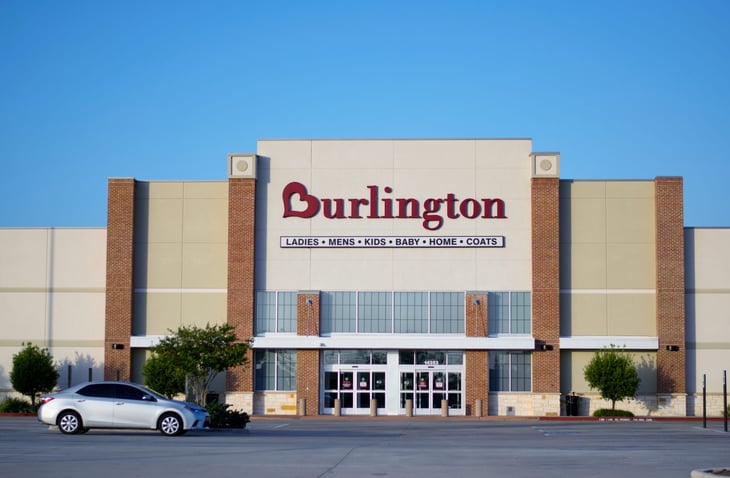
Burlington is another retailer that gets very little of its merchandise from direct imports. In late 2024, chief financial officer Kristin Wolfe told analysts that “well over 90% of our buys are on merchandise where we are not directly paying the tariff.”
Burlington grew out of a single factory-based store in Burlington, New Jersey, and now has more than 1,000 locations in the United States. It was formerly known as Burlington Coat Factory.

Ross
Ross also is able to steer clear of tariffs thanks to its off-price retail model. Late last year, chief operating officer Michael Hartshorn told analysts:
“Our focus in the case of a tariff increase would be to maintain a pricing umbrella versus traditional retailers and offer the best values to the customer. We will not be a leader in raising prices.”
Ross operates more than 1,800 across the United States, including in the U.S. territory of Guam.


Add a Comment