



Paper checks may feel familiar and trustworthy, but they’re also a growing financial liability in today’s fast-moving world. In California alone, check fraud losses surged by 81% in 2023, according to data from the Financial Crimes Enforcement Network (FinCEN).
Especially for retirees on a fixed income, these old-school payment methods can lead to lost funds, delayed payments, and increased fraud risk.
Here are compelling reasons why it’s time to leave the checkbook in the drawer.
1. Mail thieves love paper checks

Thieves know that envelopes from banks or bill payers may contain checks and often target those envelopes directly from mailboxes.
According to the U.S. Postal Inspection Service, reports of mail theft more than doubled in states like Texas between 2021 and 2023. With mail theft steadily increasing, sending or receiving checks through the postal system is becoming a major risk.
Once intercepted, checks can be easily altered, forged, or cashed by criminals, leaving intended recipients financially exposed and sometimes with little recourse for recovery.
2. Check fraud is common
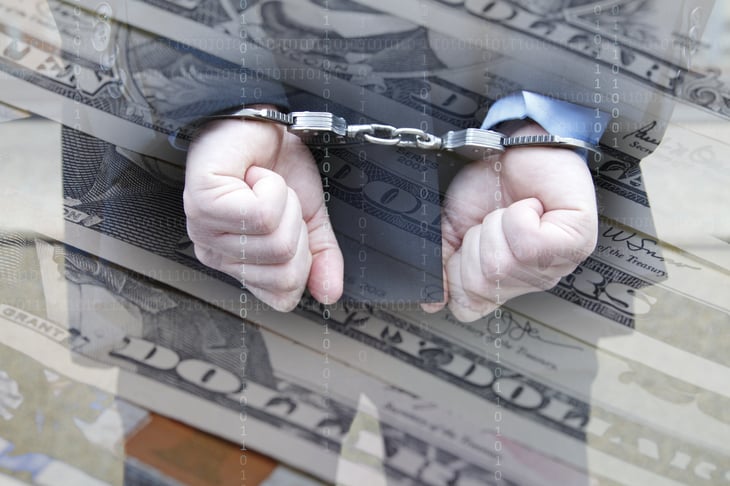
Criminals have become experts at “washing” checks, removing ink to rewrite names and amounts.
In Florida, local postal inspectors have reported a spike in check-washing schemes targeting seniors, with law enforcement in Miami-Dade noting a 60% increase in related fraud cases between 2022 and 2023.
Seniors tend to follow consistent routines and payment patterns and can be particularly vulnerable.
Without real-time alerts or oversight, check fraud often goes undetected until the money is long gone, making it harder to trace or recover the loss in time.
3. The silent delay that’s wrecking your budget

Checks don’t offer immediate proof of payment. They can take days — or even weeks — to be delivered, deposited, and fully cleared by banks. This delay poses significant risks, especially for retirees managing tight monthly budgets. A slight delay can lead to overdrafts, late fees, or missed bill deadlines.
Moreover, the risk isn’t just about timing. In 2023, the Financial Crimes Enforcement Network (FinCEN) reported over $688 million in suspicious activity related to mail theft and check fraud within a six-month period .
Additionally, the U.S. Postal Inspection Service noted a 139% increase in high-volume mail theft from mail receptacles between fiscal years 2019 and 2023. These statistics highlight the growing dangers associated with mailing checks.
In contrast, digital payment systems provide near-instant confirmation and peace of mind, reducing the risks of delays and fraud.
4. The costly chain reaction of a bounced check

Juggling fixed incomes, variable bills, and irregular deposits can make account balances tricky to manage. One small mistake could lead to an overdrawn account and a bounced check, resulting in steep fees from both the bank and the payee.
According to the Consumer Financial Protection Bureau (CFPB), Americans paid over $7.7 billion in overdraft and non-sufficient funds (NSF) fees in 2022 — a burden disproportionately affecting older adults and low-income households.
A bounced check can damage your financial reputation or credit, especially if it disrupts crucial payments like rent, utilities, or medical bills.
5. Lost a check? Get ready for a paperwork nightmare

Unlike digital payments that require passwords and encryption, a paper check can be physically lost, stolen, or destroyed.
Whether it vanishes in transit or is taken from a wallet or purse, replacing it often involves navigating slow, outdated bureaucratic systems.
Federal data from the U.S. Treasury Department shows that nearly 1.4 million government-issued checks go missing each year, many of which are tied to vital benefits like Social Security or tax refunds.
For retirees, such delays can disrupt time-sensitive payments for essentials like housing, prescriptions, or food.
6. No alerts, no protection — checks leave you exposed
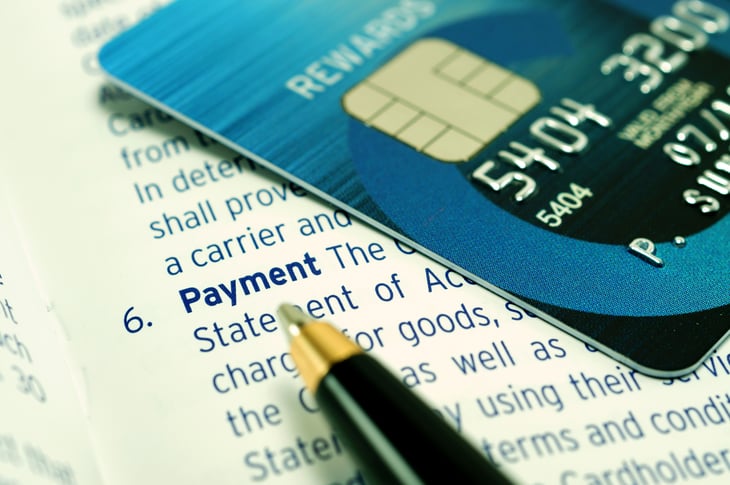
Most credit cards and digital wallets have fraud protection, dispute resolution, and alert systems that help catch suspicious activity quickly. With a paper check, once it’s cashed, the money is usually gone, and recovery options are limited.
The Federal Trade Commission reported that check-related fraud losses totaled over $815 million in 2023, with victims often left to navigate complex refund processes with little success.
If you’ve been scammed or misled, you’re typically on your own to fight both the bank and the recipient — and even then, there’s no guarantee you’ll get your money back.
7. Why checks are goldmines for identity thieves

Every check includes sensitive financial details: your full name, address, bank account number, and routing number. These are precisely the pieces of information fraudsters use to impersonate you or drain your accounts.
The FTC received over 1.1 million reports of identity theft in 2023, with many victims targeted through stolen checks and exposed account data.
For older adults, who may already be navigating complex financial systems, recovering from identity theft can be a long, costly, and emotionally exhausting process, often involving months of paperwork, credit monitoring, and financial setbacks.
8. No tracking, no timestamps — checks leave you guessing

Digital payments allow you to see time stamps, confirmation numbers, and transaction logs with the click of a button. In contrast, paper checks offer vague timelines and little visibility into when or if they’re received.
A 2023 report from the Federal Reserve noted that paper checks account for less than 4% of all non-cash payments in the U.S., primarily due to their inefficiency and tracking limitations.
If a check goes missing or the recipient claims it never arrived, you’re often stuck in a slow, manual investigation process, with no guarantee of resolution or reimbursement.
9. Forged checks are fueling a fraud boom

Bad actors can duplicate or forge paper checks with alarming ease using basic office equipment. Scammers often print fake checks using stolen bank details and cash them before the account holder even knows something is wrong.
The American Bankers Association reports that check fraud attempts exceeded $15 billion in 2022, with forged and altered checks making up a significant portion of the total.
Once successful, these scams can trigger frozen accounts, lengthy bank investigations, and the hassle of rebuilding financial trust, often from scratch.
10. No real-time tracking = real budgeting problems

Because checks take time to process, your account balance may not reflect real-time spending. This financial lag creates a budgeting blind spot, making it difficult to stay on track or catch overspending before it’s too late.
AARP warns that nearly one in three older adults has experienced fees or financial setbacks due to outdated banking methods, including delayed check processing.
For seniors trying to monitor every expense, this lag can lead to accidental overdrafts, missed payments, and unnecessary stress — all of which could be avoided with digital tools that offer real-time updates and alerts.
Time to retire the checkbook — for good

Paper checks may feel familiar, but in today’s high-risk landscape, they pose more problems than protection, from identity theft and fraud to processing delays and budgeting blind spots.
As check-related crime surges and digital tools become more secure and accessible, clinging to outdated payment methods can be costly.
Modern alternatives like direct deposit, mobile banking, and digital wallets offer faster access to funds, real-time visibility, stronger fraud protection, and peace of mind.
For retirees especially, making the switch isn’t just about convenience — it’s about protecting your finances, your time, and your future.

Add a Comment