


Filing your taxes may seem routine, but mistakes can quickly lead to chaos. In fact, some blunders could lead to an IRS nightmare, from penalties to audits or worse.
Many taxpayers unknowingly make these costly errors, which can set off a chain reaction of problems. Here’s what you must avoid to ensure your tax filing goes smoothly and without unpleasant surprises.
1. Failing to report all income

The IRS has access to information on all your income sources, so hiding even a small amount can backfire. From freelance earnings to side gigs, ensure you’re reporting everything you’ve made to avoid the wrath of the IRS.
This includes part-time jobs, gig work, and any other self-employment income. Even if you don’t receive a formal W-2 or 1099, the IRS expects you to report all earnings. Failing to do so can result in audits, penalties, and unexpected tax bills.
Pro Tip: Part-time and work-from-home jobs can help boost your income. FlexJobs lets you browse and apply for verified positions from anywhere.
2. Overlooking retirement contributions

Failing to report retirement contributions, whether to an IRA or 401(k), can cost you in missed tax benefits. These contributions can reduce your taxable income, so always check the limits and report accordingly.
Additionally, diversifying your investments across different accounts, like a Roth IRA or traditional 401(k), can give you more flexibility and security in retirement. A well-balanced portfolio can minimize risks and maximize growth potential.
Regularly assess your investment strategy and adjust it to stay on track for your long-term financial goals.
Pro Tip: Diversify your retirement investments by exploring options like precious metals. If you’re over 50 and curious about investing in gold, now is a great time to get your FREE 2025 Gold Information Kit and receive up to $10,000 in free metals through qualified purchases to protect your future with physical precious metals.
3. Claiming ineligible dependents

Be cautious when claiming dependents. If you incorrectly claim someone who isn’t qualified, the IRS may flag your return and question your eligibility. Double-check who can be legally listed as a dependent before filing. It’s crucial to ensure that your dependents are eligible to avoid complications.
For families, this also means ensuring that children or relatives are living with you and financially dependent on you. Incorrect claims could delay your refund and impact your family’s financial security.
Pro Tip: Want to protect your family and avoid future complications? Where there's a will, there's a way helps you ensure your loved ones are properly taken care of, so you can avoid costly mistakes when filing taxes.
4. Misreporting your filing status
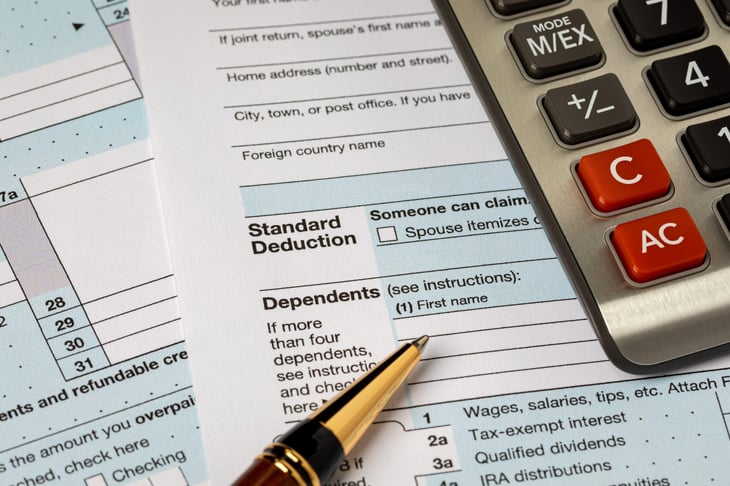
Your filing status has a significant impact on your tax return. Choosing the wrong one can lead to a smaller refund or an underpayment penalty.
Be sure to select the correct status: single, married, head of household, etc. Remember that filing jointly can often provide better tax benefits if you’re married.
However, if you’re separated or have dependents, filing as head of household might offer more advantages. Each status comes with different tax brackets and deductions, so carefully reviewing your options can help maximize your refund and minimize your debt.
5. Ignoring taxable income from foreign accounts

If you have foreign bank accounts or income, report it. Failure to do so could result in hefty fines or even criminal charges. International income must be included, so don’t neglect your foreign financial matters.
The IRS requires all U.S. citizens and residents to disclose foreign assets over certain thresholds, even if the income is earned abroad. Failing to comply with these regulations can lead to significant penalties, which could easily outweigh the tax savings.
Consult with a tax professional if you have foreign investments to avoid costly mistakes.
6. Incorrectly claiming deductions
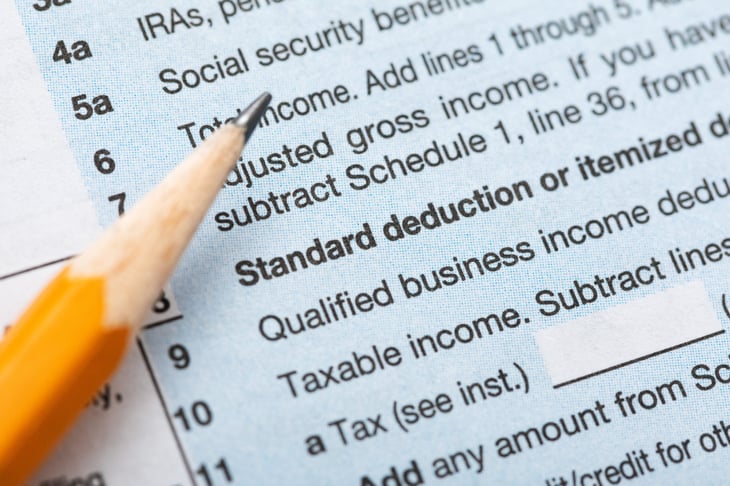
Deductions can significantly reduce your tax liability, but make sure you’re not overstating them. If you try to deduct expenses that aren’t eligible or miscalculate the amounts, the IRS could catch on, triggering a lengthy audit.
Maintaining detailed records of your expenses and receipts is essential to support your claims.
Falsely claiming deductions can lead to penalties, interest, or even criminal charges, so always ensure your deductions are accurate and legitimate.
7. Missing the tax deadline

Missing the tax filing deadline results in penalties and interest. It’s essential to either file on time or request an extension. Failing to do so might trigger a notice from the IRS and damage your financial record. Missing deadlines could lead to accruing debt from unpaid taxes, with interest compounding over time.
If you miss deadlines, the IRS can place a lien on your property or garnish your wages to recover the owed amount. To avoid this, be proactive about filing and paying on time to keep your finances in good standing.
8. Forgetting to sign your tax return

It might seem minor, but an unsigned tax return is invalid. This simple mistake can delay processing and cause unnecessary headaches. Without a signature, the IRS may consider your return incomplete, which could lead to rejection or a delayed refund.
Even if you’re filing electronically, the system will prompt you to sign before submission, but it’s still easy to overlook. Double-check that everything is signed and finalized before hitting submit.
9. Providing inaccurate bank account details

If you’re expecting a tax refund, providing incorrect bank account information can cause delays or prevent the direct deposit from going through. Double-check the account number and routing information before submitting your return.
An error in your bank details could result in your refund being sent to the wrong account, requiring you to go through a lengthy process to recover it. To avoid this, verify your banking info thoroughly to ensure a smooth and timely deposit.
Tax filing doesn’t have to be a nightmare
Taking a little extra time to double-check your filing can save you from a lot of stress. Stay organized, be diligent with reporting, and avoid these common blunders to ensure your taxes are filed without issue. Stay informed and consult a professional if you’re unsure about your filing details.
A small error can turn into a major headache, so it’s worth reviewing everything thoroughly. Don’t hesitate to seek guidance if you feel uncertain about any part of the process.

Add a Comment