



Financial markets are reeling after President Trump’s sweeping tariff announcement rocked the global economy. With the S&P 500 down over 4% and international markets following suit, Americans are bracing for impact.
The new tariffs — 34% on Chinese goods, 20% on EU products, 24% on Japanese imports, and more — far exceed expectations and are likely to raise everyday prices.
While experts debate the long-term effects, most Americans face a more urgent question: How can I protect my finances?
Pro Tip: If you’ve got more than $100,000 in savings, now is the time to get some advice from a pro. SmartAsset offers a free service that matches you to a vetted, fiduciary advisor in less than 5 minutes.
1. Strengthen your emergency fund
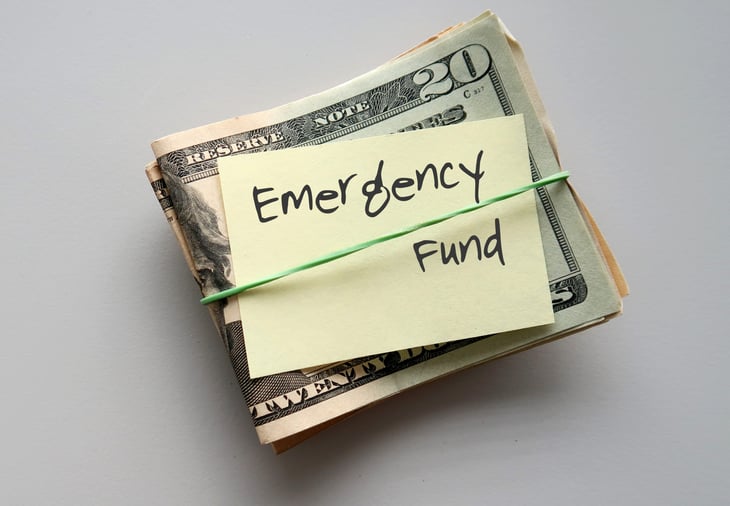
Financial advisors typically recommend having three to six months of essential expenses saved, but in the current environment, aim for the higher end of that range or beyond.
The combination of potential inflation from tariffs and market volatility creates a perfect storm of financial uncertainty.
Even small, consistent contributions to your emergency fund can make a significant difference. Set up automatic transfers on payday to build this buffer without having to think about it.
Pro Tip: Make sure you earn as much as possible on your emergency savings. For example, SoFi Checking is offering 3.8% interest, plus a potential $300 signup bonus. (May change without notice.)
2. Diversify investments geographically

With different countries facing varying tariff rates and economic impacts, geographic diversification is more important than ever.
Consider reallocating portions of your portfolio to include domestic companies with limited international exposure, which may be less affected by trade tensions.
Look beyond the hardest-hit industries like technology, automobiles, and consumer goods that rely heavily on global supply chains. Utilities, healthcare, and domestic service industries may offer more stability in the current environment.
Pro Tip: Diversifying into real estate and venture capital might be wise. Companies like Fundrise offer investments as small as $10. Note: This is a testimonial in partnership with Fundrise. We earn a commission from partner links on moneytalksnews.com. All opinions are our own.
3. Invest in tariff-resistant sectors
Some sectors may benefit or remain insulated from the new tariffs. U.S. manufacturing — especially steel and aluminum — could see rising demand as imports become pricier.
Domestic energy production may also increase, with local options becoming more competitive. Reduced overseas competition might also benefit renewable energy firms.
Consumer companies with primarily domestic supply chains are likely to fare better than those reliant on imports, making them strong portfolio considerations during this transition.
Pro Tip: Gold can offer a strong defense against economic downturns. If you’re concerned about inflation or market shocks, consider safeguarding your savings by opening a gold IRA.
4. Hedge against inflation

With tariffs essentially functioning as a tax on imports, prices for affected goods will inevitably rise.
Treasury Inflation-Protected Securities (TIPS) offer government-backed protection against inflation, as their principal value adjusts based on changes in the Consumer Price Index.
Series I Savings Bonds are another government-backed option, with interest rates that adjust for inflation. The current rate environment could make these an attractive option for protecting a portion of your savings.
Pro Tip: Start by investing with zero commissions! Start small with just $1 and diversify across stocks, bonds, ETFs, crypto, and art using this popular app - sign up today.
5. Review existing loans and credit cards

If you carry variable-rate debt, consider refinancing to fixed rates before potential inflation drives interest rates higher.
While mortgage rates remain historically reasonable, they could rise if inflation accelerates due to tariff-induced price increases.
You may be able to refinance existing loans and credit cards to identify by consolidating at better rates. Even a small reduction in interest rates can lead to significant savings, providing more financial flexibility during uncertain economic times.
Pro Tip: If you have more than $20,000 in unsecured debt, get some professional help. National Debt Relief is a trusted source for free advice and assistance.
6. Time major purchases strategically

If you’ve been contemplating a major purchase like a vehicle, appliance, or electronics, you may want to accelerate your timeline.
Prices for imported goods in these categories could increase once existing inventory is depleted and retailers may begin passing tariff costs to consumers.
For unavoidable purchases, research products with mainly domestic supply chains, which may see less dramatic price increases. Many manufacturers highlight their American-made status, which could now translate to meaningful cost advantages.
Pro Tip: Car repair bills aren’t what they used to be. One auto shop told Consumer Reports their average job rose from $1,600 a decade ago to $4,000 today. Endurance gives you access to thousands of ASE-certified repair shops and pays the bill upfront, so you’re only responsible for the deductible. Get a free quote today!
7. Revisit your budget for price increases
Take a proactive approach by reviewing your household budget and identifying categories likely to be affected by tariffs.
Electronics, clothing, furniture, and food items with imported ingredients may likely see price increases in the coming months.
Look for domestic alternatives to regularly purchased imported items where possible. While this requires some research and potentially changing brands, it could yield significant savings as tariff impacts spread through the economy.
Pro Tip: You can slash expenses on dining, travel, eyeglasses, prescriptions and more with AARP – Just $15/year with auto-renewal. Join now and save hundreds.
Turning economic lemons into financial lemonade
Tariffs pose economic challenges but also offer strategic opportunities. Stay informed while keeping perspective — markets often react to policy shifts but adapt over time.
Focusing on fundamentals over headlines helps investors navigate change effectively.
Financial resilience stems from preparation and flexibility. These strategies guard against risk and build lasting financial habits, no matter how the tariff landscape shifts.
Pro Tip: Struggling with payments in retirement? A reverse mortgage can turn your home equity into tax-free cash for seniors 62+, no house sale required. Use the funds for medical bills, home repairs, or even that dream vacation—without monthly payments!

Add a Comment