



Americans are feeling the squeeze as food prices have jumped 24% since 2020, according to the USDA — a surge that stings far more than once-a-year expenses like insurance.
The good news? With the right strategies, you can keep your grocery bill under control without compromising on nutrition. Here are 12 expert-backed tips to help you save.
Struggling with rising grocery costs? Make sure your emergency savings are working for you. SoFi Checking offers 3.8% interest and a potential $300 bonus — extra cash that can help cushion inflation’s blow.
1. Create a meal plan before shopping

One of the simplest ways to cut grocery costs is to plan your meals in advance. According to Thomas Gremillion of the Consumer Federation of America, “shoppers who enter stores with a specific plan tend to spend less.
Taking just 20 minutes to map out meals and create a detailed shopping list can significantly reduce impulse purchases and food waste.
Planning your meals saves money — and planning your income can too. FlexJobs offers part-time and remote job listings to help you earn more while staying in control of your schedule.
2. Build meals around sale items

Check weekly ads before you plan your meals. If chicken thighs or apples are on sale, build your weekly menu around those deals.
Being flexible with your ingredients can help you score major savings without compromising on variety or nutrition.
Planning meals around what’s on sale isn’t the only way to save. Join AARP for just $15 a year and unlock discounts on dining, prescriptions, and more — so your grocery strategy stretches even further.
3. Join store loyalty programs

Most grocery chains offer free loyalty programs that unlock member-only pricing, digital coupons, and even rewards points.
All you usually need is an email address or phone number. It’s a small step that can lead to big savings at checkout.
Signing up for loyalty programs is an easy win — just like cutting down your cell bill. Click here to save a bundle if you’re paying more than $15 a month, and keep those everyday costs in check.
4. Stack multiple discounts

Combine store sales with manufacturer coupons and loyalty discounts to triple your savings. According to Bankrate analyst Stephen Kates, stacking these offers is one of the most effective ways to reduce your total grocery bill.
Many store apps let you clip and apply coupons automatically. And for even more value, consider using a credit card that offers meaningful rewards on all grocery purchases.
Pro Tip: Get a $200 bonus in bitcoin or 50+ other cryptos after spending $3000 in the first 90 days. Enjoy up to 4% instant rewards with no annual fee or foreign transaction fees. Start building your portfolio just through everyday purchases.
5. Embrace store brands

Consumer Reports found that store-brand products can be 5% to 72% cheaper than name brands — and three-quarters of those tested matched or beat brand-name quality in blind taste tests.
Swapping name brands for generics can cut your grocery tab without sacrificing taste.
Swapping to store brands is a smart move — so is choosing the right financial tools. If you have a high-deductible health plan, a Lively HSA lets you save tax-free for medical expenses while keeping more money in your pocket.
6. Shop at discount retailers

More Americans are turning to stores like Dollar Tree and Dollar General for groceries. According to Credit Karma, 35% of consumers now shop at discount chains to reduce food costs.
While selection can be more limited, these stores often carry pantry staples and packaged goods at unbeatable prices.
Shopping discount stores helps trim your grocery bill — why not do the same with car insurance? You could save up to $600 with this car insurance comparison site.
7. Consider wholesale clubs
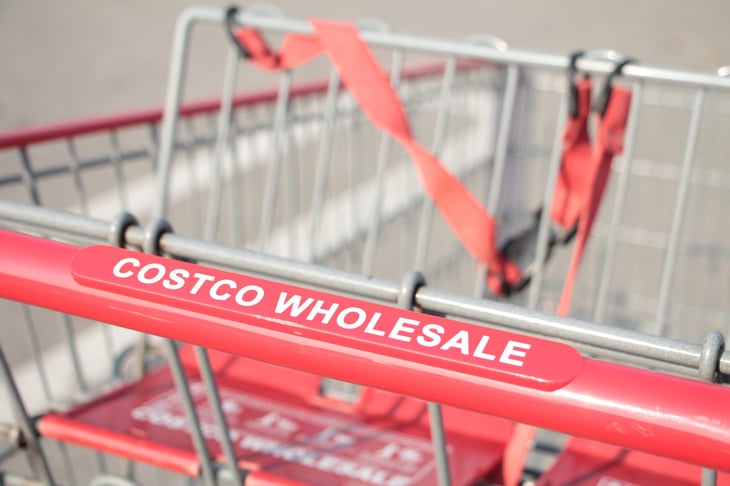
Costco, Sam’s Club, and BJ’s offer serious savings — especially on bulk items and household products.
While memberships range from $50 to $130 annually, the cost can quickly pay for itself if you’re stocking up on essentials or have a larger family.
Wholesale clubs can help you save big on bulk essentials, and a home equity loan can free up fast cash when you need it most. See how much you can get, how fast you can get it and how little you'll pay.
8. Compare prices across stores

Don’t rely on a single store for all your grocery needs. Many shoppers now use apps to compare prices before they leave the house.
By shopping at two or three different stores each week, you can take advantage of the best deals from each.
Comparing grocery prices helps stretch your dollars — and so can tapping into your home’s value. Hometap lets you unlock up to $600K of your equity without monthly payments or added debt.
9. Shop in season for produce

Seasonal fruits and vegetables are usually cheaper and fresher. For example, berries cost far less in the summer than in winter.
Building your meals around seasonal produce not only saves money but improves taste and quality too.
Planning your meals around seasonal produce is a smart way to stay ahead — so is having a will. Where there's a will, there's a way to protect your family, save money, and avoid unnecessary stress.
10. Reduce food waste

The average American household wastes about 30-40% of its food supply, much of it due to spoilage. Keep a “use first” bin in your fridge, freeze leftovers, and build meals around perishables before they go bad.
Reducing waste is one of the fastest ways to stretch your food budget.
Preventing food waste starts with awareness — and so does protecting your health. Book a screening today with Life Line Screening to catch hidden risks early and gain peace of mind.
11. Explore government assistance

The Supplemental Nutrition Assistance Program (SNAP) offers benefits to qualifying low-income families.
If you’re struggling to afford groceries, reach out to your local SNAP office or visit Benefits.gov to see if you qualify. Assistance programs are there to help — and they can make a meaningful difference.
If you’re turning to programs like SNAP for support, it may be time to tackle other financial burdens too. National Debt Relief offers trusted, free advice for managing over $20,000 in unsecured debt.
12. Visit food banks when needed

Food banks and pantries provide critical support for families in tough situations. Resources like feedingamerica.org and 211.org can help you locate nearby options.
Some food banks require proof of residence, but many are open to anyone in need.
While food banks can help with essentials, even a small income boost can make a big difference. Over $55,000 is paid daily to this company's members who take surveys in their free time.
Final bite: How to shop smarter

With food prices projected to rise another 2.6% in the near term, grocery inflation isn’t going away.
But by using smart shopping strategies — from planning meals to comparing prices and embracing store brands — you can stay ahead of rising costs and keep your pantry full without breaking the bank.
Grocery inflation is a growing concern — so protecting your savings matters more than ever. Open a gold IRA to help shield your money from market swings and rising costs.

Add a Comment