


Impulse purchases can wreak havoc on your budget.
Grabbing items you didn’t plan for, especially at checkout counters or online sales, adds up quickly.
Here’s how to be more intentional about parting ways with your cash.
1. Think Before You Spend
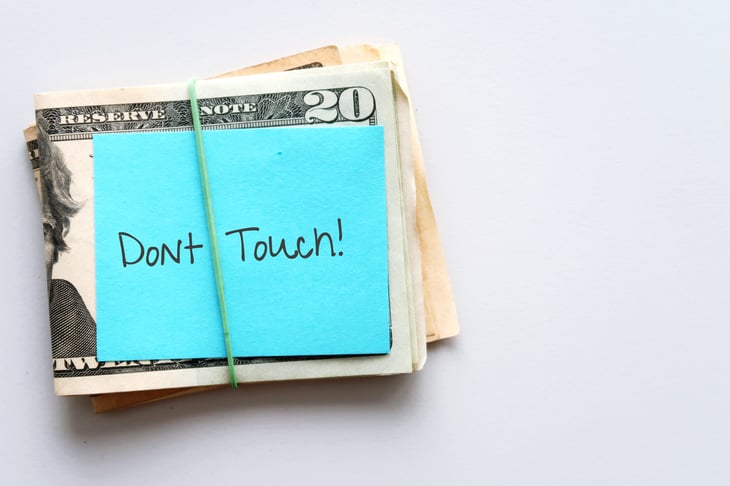
Impulse purchases can wreak havoc on your budget. Grabbing items you didn’t plan for, especially at checkout counters or online sales, adds up quickly.
Avoid overspending by practicing a “cooling-off” period. This gives you time to evaluate if a purchase is truly necessary or just an impulsive splurge.
Pro Tip: Boost your shopping power: Get a no-interest credit card today and enjoy stress-free spending!
2. Stop Ignoring Subscriptions

Streaming services, subscription boxes, and other auto-renewals often go unnoticed, draining your bank account.
Take time to review your subscriptions regularly. Cancel those you no longer use or need to free up cash for more essential expenses.
Pro Tip: Never pay for an unwanted subscription again. Quicken Simplifi instantly finds and tracks your subscriptions and cancels unwanted subscriptions.
3. Dining Out Too Often

Grabbing meals on the go or dining out frequently might be convenient, but it’s a costly habit. Those quick expenses can quickly add up, draining your wallet without much to show.
Meal planning and prepping at home aren’t just healthier—they free up significant cash that you can put toward important financial goals, like building an emergency savings fund.
Pro Tip: Earn as much as possible on your emergency savings. For example, SoFi Checking pays a competitive APY on savings, plus a cash bonus for new members who set up direct deposit. (May change without notice.)
Earn up to 4.40% Annual Percentage Yield (APY) on one SoFi Savings account with a 1.10% APY Boost (added to the 3.30% APY as of 10/20/26) for up to 6 months. Open your first SoFi Checking and Savings account between 10/20/26 and 12/31/27, then within 60 days of account opening receive an eligible direct deposit OR $5,000 or more in qualifying deposits. You must maintain eligible direct deposit or $5,000 in qualifying deposits every 31 days to keep the Boost, for up to 6 months. Rates variable, subject to change.
Terms apply at sofi.com/banking. SoFi Bank, N.A. Member FDIC.
4. Overusing Credit Cards

Using credit cards for every little thing can lead to high-interest debt. Pay off balances in full to avoid unnecessary interest charges.
Use cash or a debit card for small purchases to stay on budget. This can help prevent overspending and keep you financially disciplined.
Pro Tip: If you’re looking to rack up flexible rewards points or miles to go on your dream vacation, here are the Top Rewards Credit Cards.
5. Failing to Shop Around

Sticking to one retailer or provider often means paying more than necessary, from groceries to insurance.
Shop around and compare prices regularly to find better deals and stretch your budget further.
Pro Tip: Save up to $600 on your car insurance with this car insurance comparison site.
6. Skipping Maintenance

Neglecting regular car or home maintenance might save you money now but can result in costly repairs later.
Simple tasks like oil changes, gutter cleaning, or replacing air filters can prevent bigger expenses.
7. Paying Full Price

Whether shopping for clothes, electronics, or groceries, failing to look for sales, coupons, or promo codes can cost you more than necessary.
Take advantage of deals and discounts to stretch your budget.
8. Ignoring Energy Waste
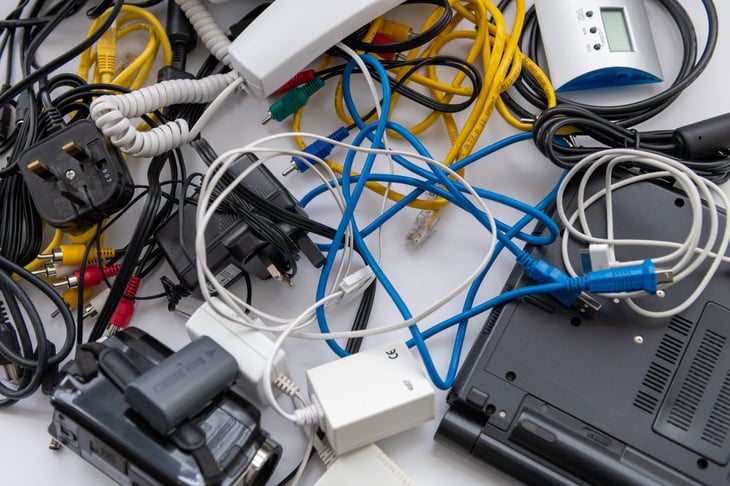
Leaving lights on, cranking up the heat, or forgetting to unplug electronics can significantly increase utility bills.
Make small changes, like using energy-efficient bulbs or lowering your thermostat, to reduce costs.
9. Buying Name Brands

Name-brand products often have a hefty price tag but don’t necessarily offer better quality.
Try generic or store-brand items for essentials like groceries, medication, or household goods.
10. Failing to Plan Meals

Without a meal plan, you’re more likely to buy unnecessary groceries, waste food, or turn to takeout.
Plan your weekly meals, make a shopping list, and stick to it to save money.
11. Overspending on Gifts

While generosity is admirable, going overboard on gifts can strain your finances. Set a budget for holidays and celebrations, and explore meaningful but affordable gift options that still hold special meaning.
For example, instead of pricey items, consider giving the gift of knowledge or entertainment. Audiobooks make an excellent, low-cost gift option to enjoy anywhere, whether commuting, exercising, or relaxing at home.
Pro Tip: Want to be smarter? Then use your downtime to download audiobooks with a 30-Day Free Trial. Click today for a wiser tomorrow.
12. Procrastinating on Financial Tasks

Delaying tasks like paying bills, canceling unused memberships, or revisiting your budget can lead to late fees or wasted money.
Set reminders to stay on top of these small but impactful actions.
Break These Habits and Save

Small changes in your daily routine can lead to significant savings over time.
By identifying and addressing these wallet-draining habits, you’ll free up more money for the things that truly matter.

Add a Comment